
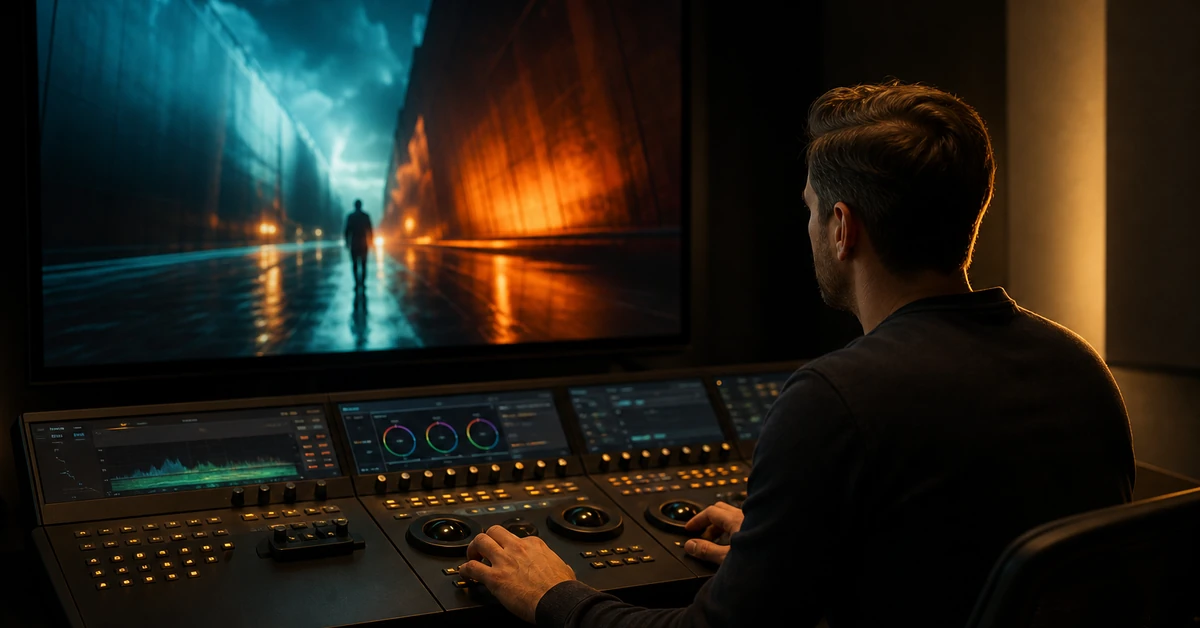
Nothing transforms raw footage into a visual experience quite like professional color grading and correction services. It’s the difference between video that looks like it was shot and video that feels like it was made — the invisible hand that shapes how audiences feel before they even process what they’re watching. Every brand video, commercial, and film you’ve ever been moved by went through this process. Without it, even the most artfully shot footage looks unfinished.
What Are Color Grading and Correction Services?
Color correction and color grading are often mentioned together, but they serve two entirely different purposes in post-production. Understanding the distinction is the first step toward knowing what your project actually needs.
The Difference Between Correction and Grading
Color correction is the technical foundation. It fixes what’s wrong — unbalanced exposure, color casts from mixed lighting, shots that don’t match across a scene. The goal is neutrality and consistency. As StudioBinder explains, color correction makes footage appear as naturalistic and accurate as possible. You’re bringing every clip to a clean, uniform baseline where whites are actually white and skin tones read as believable.
Color grading is where the art happens. Once your footage is corrected, the colorist applies a creative look — a palette, a mood, an emotional signature that serves the story. It’s why a drug cartel drama feels tense and sickly yellow while a perfume commercial feels cool and ethereal. The same technical process produces radically different results depending on the creative intent. Correct first, grade second. If you style a broken image, you only amplify its problems.
At Pretzel Logic Productions, we treat correction and grading as two halves of a single discipline — the science and the soul of post-production color work. Our post-production team delivers professional color grading and correction services to every project, whether it’s a Super Bowl-adjacent television commercial or a brand story for a regional healthcare system.
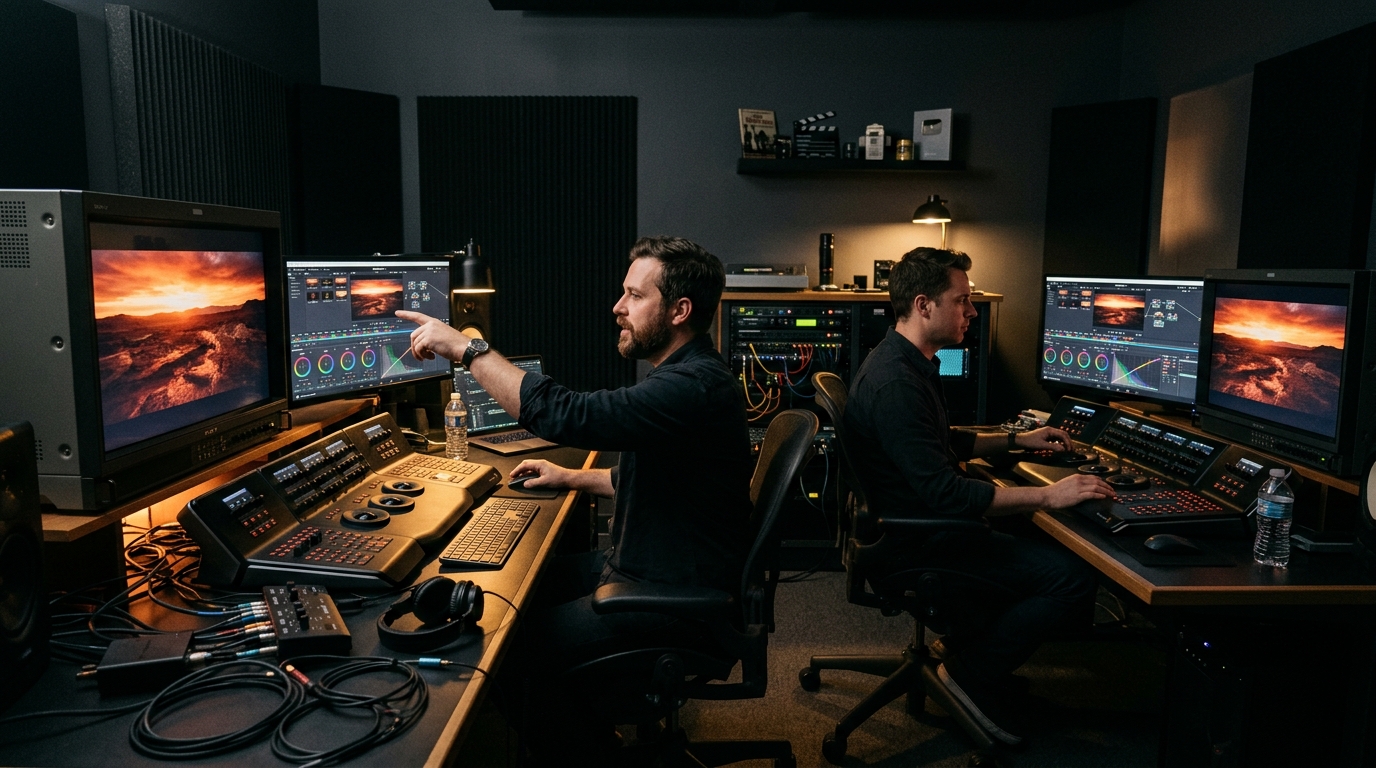
Why Professional Color Grading Transforms Your Video
Here’s what most people miss about color: audiences feel it long before they notice it. A warm amber grade makes a scene feel intimate and nostalgic. A desaturated blue pull makes the same shot feel cold, clinical, isolating. Your brain processes color emotionally about 80 milliseconds faster than it processes shape or motion.
When you hand your footage to someone who only does correction — who makes it “look right” — you get consistency. That’s good. But when you hand it to a colorist who understands story, you get something else entirely. You get atmosphere. You get tension. You get a look that a competitor can’t replicate by buying the same camera.
The Psychology of Color in Storytelling
Film colorists have understood this for decades. The teal-and-orange blockbuster look isn’t an accident — it exploits the natural contrast between skin tones (orange) and their complement (teal) to make faces pop against backgrounds. Horror films push into green-shifted shadows because our lizard brains associate that wavelength with sickness and decay. Documentaries often stay close to neutral because the genre’s authority depends on feeling unfiltered.
The same principles apply to brand video. A financial services spot graded with cool, clean whites and deep navy reads as trustworthy and institutional. A restaurant commercial pushed warm with crushed blacks and saturated reds reads as indulgent and intimate. Color sets tone, guides emotion, and unifies the story across every frame. The grade is part of the message.
This is why Pretzel Logic Productions approaches color as a storytelling tool, not a cleanup step. Our colorists work alongside directors and cinematographers from pre-production onward, making sure the look baked into the lighting and production design carries all the way through to the final deliverable. When you produce a video with us, color grading and correction services are woven into the project from the start — the grade isn’t an afterthought. It’s part of the creative vision from day one.
The Professional Color Grading Process
Professional color grading and correction services follow a structured workflow — one that protects creative intent while catching technical issues before they become expensive problems downstream. Here’s what actually happens in the suite.
From Technical Pass to Creative Finish
The first pass is always technical. In any professional color grading and correction workflow, the colorist normalizes exposure across every shot in the timeline, balances color temperature so that scenes shot across multiple hours or days look continuous, and corrects any lens or sensor artifacts. This step is surgical — waveform monitors guide every adjustment so nothing drifts out of broadcast-safe range.
Once the timeline is consistent, the creative work begins. The colorist and director review hero shots — the key frames that define the emotional register of each scene — and build a look that serves the story. For a Pretzel Logic commercial, this might mean developing a signature palette that matches the brand’s existing visual identity while pushing the footage beyond what the camera captured. The grade is dialed in shot by shot, sometimes frame by frame, with masks and tracking used to isolate specific areas — faces, skies, product labels — for targeted treatment.
As RDAcolor’s workflow illustrates, the process then cycles through iterative review passes with client feedback, scene-wide matching to hero shots, and final approval before creating deliverables. A standard three-to-five minute commercial or brand video typically takes one to two full business days in the suite, according to The Film Lab. Feature-length projects scale up from there. It’s patient, precise work. There are no shortcuts that don’t show.
The Tools and Technology Behind Modern Color Work
The tools driving professional color grading and correction services have evolved dramatically in the last half-decade. Every major software release, every new display standard, and every AI-assisted workflow tool raises the ceiling on what professional color grading and correction services can achieve. What was once the exclusive domain of dedicated post facilities with six-figure hardware is increasingly accessible — but the learning curve and the standards haven’t dropped an inch.
DaVinci Resolve and the Industry Standard
Blackmagic Design’s DaVinci Resolve has consolidated its position as the dominant color grading platform across post-production. It’s what the world’s top colorists use for everything from HD broadcast spots to 8K feature films and DCP theatrical delivery. The Colorist Guide to DaVinci Resolve 20 covers the full pipeline: normalization, balancing, matching, secondary grading through keying and masking, creative look development, and delivery to every major format.
Resolve’s real strength is that it doesn’t separate correction from grading into different toolsets. The same node tree can hold your technical normalization, your creative look, and your output transforms — all nondestructively, all editable at any stage. For colorists working on tight deadlines with demanding clients, that flexibility is the difference between nailing the look and settling for close enough.
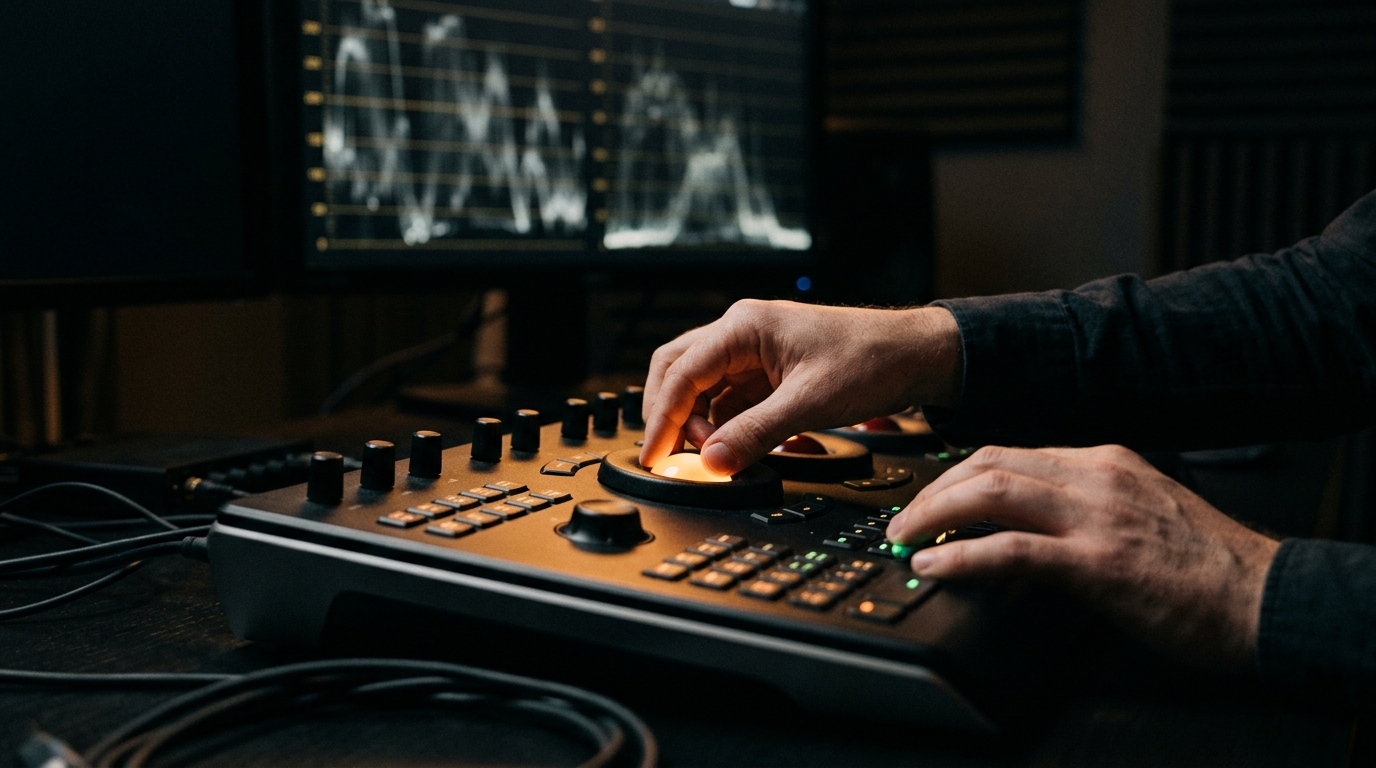
On the Adobe side, the 2025 release of Premiere Pro introduced a fully overhauled color pipeline with automated color management that converts clips from source color space to working color space to output color space without requiring separate sequences for each deliverable format. The Tetrahedral 3D LUT interpolation setting reduces banding and improves accuracy. For editors working inside the Adobe ecosystem, it’s the most significant color update in years.
HDR, Dolby Vision, and What Comes Next
High dynamic range has moved from niche to standard faster than almost anyone predicted. Streaming platforms now expect HDR deliverables, and Dolby Vision has emerged as the dominant HDR format for premium content. The Dolby Vision Color Grading Guide outlines the full creation process: generate the HDR master, create Level 1 Analysis metadata, optionally apply creative trim metadata for SDR downconversion, and render deliverables in ST.2084 (PQ) color space with P3D65 or Rec.2020 primaries.
Color grading for Dolby Vision requires a certified reference monitor and a colorist who understands the trim pass workflow — how the grade translates from a 1,000-nit HDR display to a 100-nit SDR screen. It’s not just brighter highlights. The entire midtone and shadow relationship changes. Miss it, and your SDR version looks crushed and muddy. Nail it, and the same grade plays beautifully on an OLED in a living room and an iPhone on a train.
Industry Trends Reshaping Color Post-Production
The color grading industry is moving fast. The global market for color grading and correction solutions is expanding as investment in content creation surges and visual quality expectations rise — which means demand for professional color grading and correction services is climbing alongside it — across every platform, according to Transparency Market Research. North America currently holds the largest market share, driven by Hollywood’s emphasis on cinematic quality and massive streaming platform content budgets.
AI-Assisted Color Grading
Artificial intelligence has arrived in the color suite — and it’s genuinely useful. Modern AI-assisted tools can automatically balance exposure, detect and match skin tones across shots, and even replicate a color style from a reference image. These aren’t replacing colorists. They’re handling the repetitive parts of the technical pass — the shot-to-shot matching that used to consume hours — so the colorist can spend more time on creative decisions.
ARRI’s REVEAL Color Science, developed for the ALEXA 35, supports 17 stops of dynamic range compared to roughly 14.5 stops on earlier ARRI cameras, with LogC4 encoding in 13-bit ARRIRAW that provides twice the code values in shadows. The expanded latitude gives colorists more to work with — richer shadow detail, smoother highlight rolloff, and colors that hold saturation deeper into the exposure range. As ARRI’s Art Adams puts it: “It’s always easier to grade from a proper image to an abstract image than it is to grade from one abstract image to another abstract image.”
Remote Collaboration and Cloud Workflows
The pandemic forced remote color workflows into existence. They’ve since matured into a permanent feature of post-production operations. In 2025, remote teams increasingly confronted the challenge of ensuring every collaborator works from an image that accurately represents the cinematographer’s intended color and look, as Post Magazine reports. Digital imaging technicians increasingly function as the architects of unified pipelines, ensuring that the look established on set survives translation across every viewing environment downstream.
Cloud-based collaborative editing and grading platforms have also improved workflow efficiency and cost management, eliminating the need for clients and colorists to be in the same room — or even the same country. Remote color grading services now connect colorists worldwide with clients who need professional finishing without the travel budget.
How to Choose a Color Grading Partner
Most color grading service pages are thin — a few paragraphs about what they do, a contact form, and a handful of still frames. They describe color grading and correction services without ever explaining why color matters for your project. That’s a disservice to clients who need to make an informed decision about a partner who will define how their brand looks on screen.
When you’re evaluating a color grading partner, look past the demo reel. Ask about their process — do they separate correction from grading, or blur them together? Do they involve the director and cinematographer in look development, or do they work in isolation? Can they deliver in HDR and SDR from the same grade? What does their review and revision cycle look like?
The quality floor has risen — capable software is affordable and widely available. What separates technically adequate color grading and correction services from truly exceptional ones is creative judgment. You’re hiring taste, not just technical competence. You want a colorist who asks what the story is before they touch a control surface. Someone who treats color as a narrative device, not a polish step.
At Pretzel Logic Productions, color is part of the story from the beginning. Our portfolio spans casino and gaming, healthcare, sports, and food and beverage — each project receiving a custom grade developed in collaboration with the creative team, not applied from a preset library. We provide professional color grading and correction services in DaVinci Resolve with calibrated reference monitoring, delivering everything from broadcast spots to streaming commercials to brand documentaries in the format your distribution requires. No material should ever be presented straight from the camera. The grade is what makes it finished.
Frequently Asked Questions
What’s the difference between color correction and color grading?
Color correction fixes technical issues — exposure, white balance, and shot-to-shot consistency — to make footage look accurate and neutral. Color grading is the creative process applied on top, shaping the palette, mood, and emotional tone of the final video. The rule is simple: correct first, then grade. Styling a technically broken image only amplifies its problems.
How long does professional color grading take?
For a standard three-to-five minute commercial or brand video, plan on one to two full business days in the suite. Longer projects like documentaries, short films, or multi-spot campaigns are quoted based on runtime, complexity, and the number of deliverables. The timeline includes technical normalization, creative look development, client review cycles, and final output rendering.
What software do professional colorists use?
DaVinci Resolve is the industry standard — it’s what the world’s top colorists and post-production facilities rely on for HD, 4K, 8K, HDR, and DCP workflows. Adobe Premiere Pro’s 2025 overhaul introduced a significantly improved color pipeline for editors who work inside the Adobe ecosystem. Both platforms support the full correction-to-grading workflow with real-time monitoring.
Can you color grade footage shot on any camera?
Yes. Professional color grading and correction services work with footage from any camera — from iPhones to ARRI ALEXA 65s. The difference is latitude: footage shot in log or raw formats (LogC, S-Log, V-Log, BRAW) gives the colorist far more room to push and pull without introducing artifacts. Highly compressed footage can still be graded, but the range of adjustment is narrower.
Does color grading affect video file size or quality?
Color grading itself doesn’t alter the source files — it works nondestructively by applying adjustments that are baked into the final render. The output quality and file size depend entirely on your delivery codec and settings. A well-graded ProRes 422 HQ export will look pristine at a larger file size; an H.264 export will be smaller with some quality trade-off. Your colorist should deliver matched masters optimized for each distribution channel.
What is HDR color grading?
HDR (High Dynamic Range) color grading produces video with a wider range of brightness — deeper shadows, more detailed highlights, and richer colors — than standard dynamic range. Dolby Vision is the leading HDR format for premium content. HDR grading requires a certified reference monitor, a colorist trained in HDR workflows, and an additional trim pass to ensure the grade translates correctly to SDR displays.
Ready to Tell Your Story in Full Color?
Great color doesn’t call attention to itself. It makes your brand feel a certain way — polished, warm, dangerous, trustworthy, whatever the story demands — and the audience absorbs it without ever thinking about it. That’s the bar. That’s what professional color grading and correction services deliver when the people behind the panels understand that color is a narrative tool, not a checkbox.
Pretzel Logic Productions brings big-budget color finishing to projects of any scope. We grade in DaVinci Resolve on calibrated reference displays, working alongside our directors and cinematographers from pre-production through final delivery — treating your project’s color as a creative asset, not an afterthought. Whether you’re launching a brand, refreshing a campaign, or telling a story that needs to look as good as it sounds, we’re ready.
Let’s talk about your next project. Fresh, Hot, and Slightly Twisted — that’s the Pretzel Logic way.