
Last updated August 23, 2026
Effective pre production planning is the bridge between a visionary concept and a successful final edit. This guide outlines the 12 essential steps, from script locking to technical scouting, derived from industry standards and Pretzel Logic’s framework to help you avoid costly on-set errors and streamline your multimedia production workflow.
1. Lock the final script before allocating a single dollar of the budget.
Finalizing your script is the non-negotiable first step in professional pre production planning. According to Wikipedia, the phase formally begins only once a project is greenlit and the writing is complete. Too many brands rush into booking crews while the dialogue is still in flux. This leads to expensive "change orders" mid-shoot that eat your margin. You need to distinguish between your creative script and a shooting script. The former focuses on the story and dialogue, while the latter is a technical document used by the crew for direction. By locking every scene heading and action description now, you create a fixed target. This prevents the "scope creep" that often happens when ideas are added on the fly. Don’t spend a dime on rentals or talent until every word is approved. It’s much cheaper to delete a scene on paper than to strike a set that took six hours to build. A locked script is a primary way to ensure your financial allocations remain accurate throughout the lifecycle of the project.
2. Integrate brand strategy using the Pretzel Logic ‘Logical Twist’ framework.
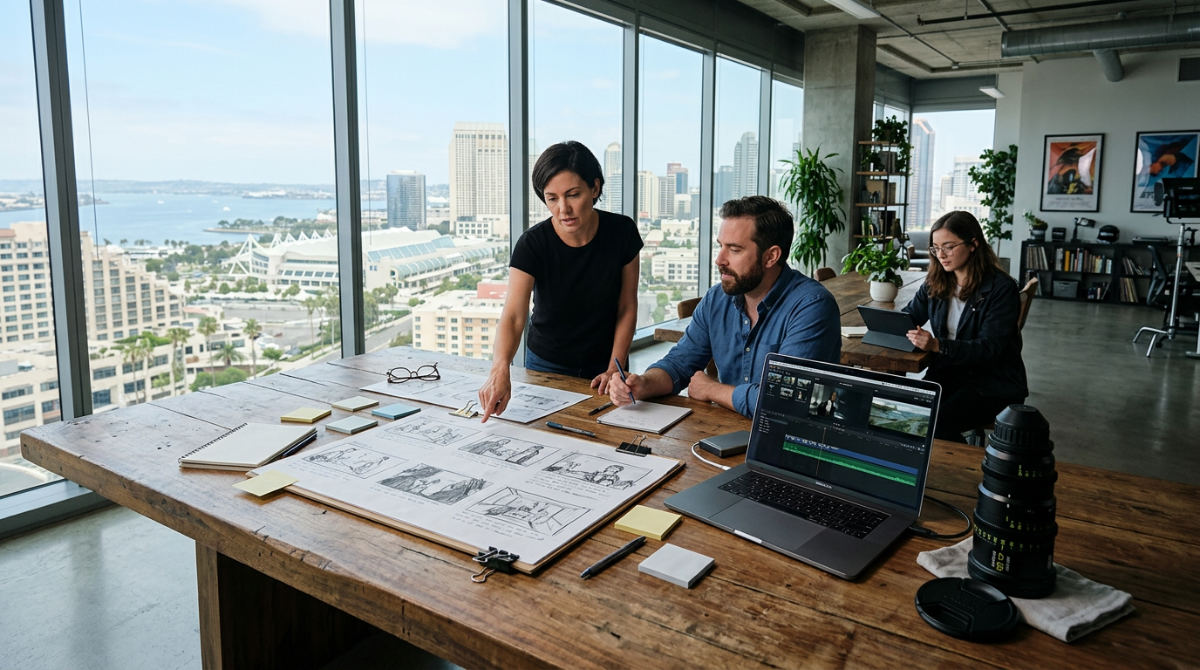
In the current digital landscape, generic content fails. We use a collaborative approach to ensure your video isn’t just pretty, but functional. We blend rigid organizational logic, the stuff that keeps your marketing agency’s KPIs on track, with high-level creative storytelling. When we handle your strategic video planning services, we map out exactly where the creative "twist" occurs. This is that unexpected creative moment that differentiates your brand from a sea of competitors. We don’t just storyboard for aesthetics. We consult with your team to align visual metaphors with your core business goals. This step ensures the creative soul of the piece isn’t lost in the logistics. By integrating this framework early, we help you avoid the pitfall of creating a video that looks great but fails to convert. It’s about building a narrative that feels spontaneous and inspiring while resting on a foundation of organizational intent.
3. Perform a comprehensive script breakdown to identify every unique resource requirement.
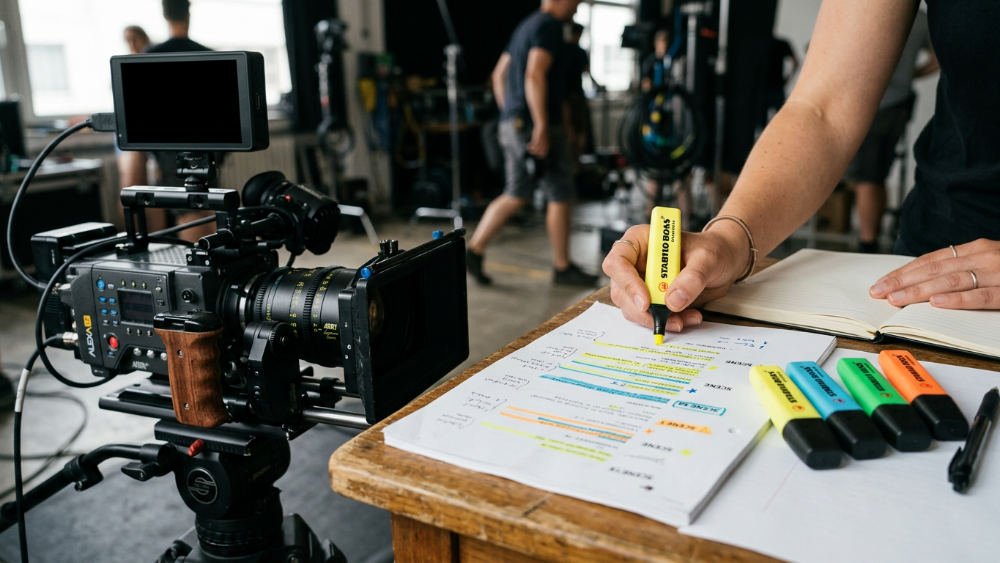
Once the script is locked, you must tear it apart. A script breakdown is the process of identifying every physical and technical requirement hidden in the text. You need to tag every location, character, costume, prop, and even specific sound effects. According to StudioBinder, this is where you can identify complex visual effects (VFX) requirements early. We use this data to generate a report that details personnel and equipment needs. This report is a spreadsheet. It tells us exactly when specific actors or specialized equipment are needed on set. If a vintage car is only needed for one scene, you don’t book it for the whole week. This level of granularity is what separates a professional shoot from an amateur one. For legal video production or sensitive testimonials, this breakdown also helps us identify privacy needs or specific lighting setups required for anonymous subjects. By knowing every requirement upfront, you eliminate the frantic "we forgot the prop" phone calls on the day of production.
4. Conduct technical scouts at San Diego locations to assess lighting and sound.
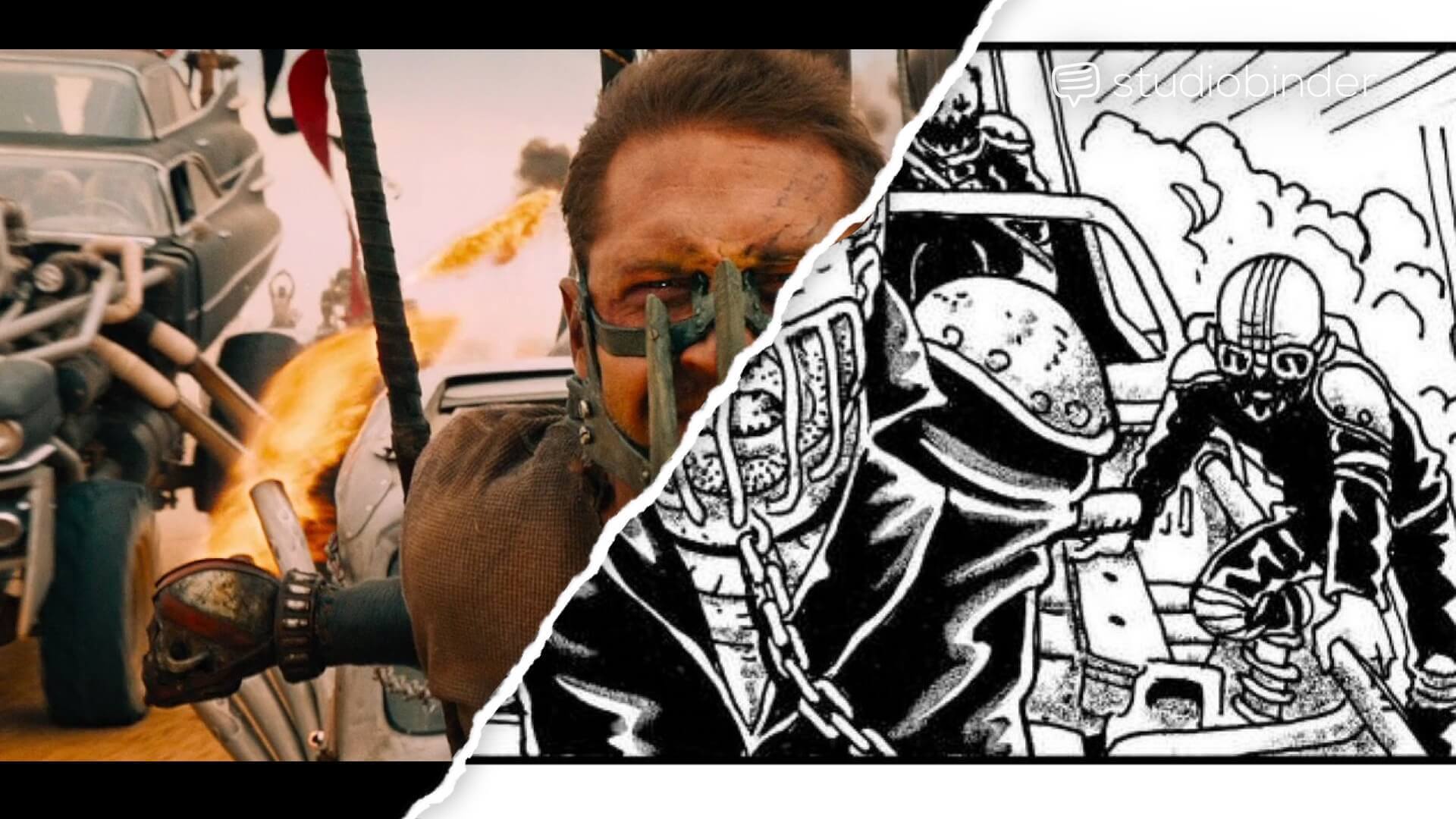
Image source: studiobinder.com
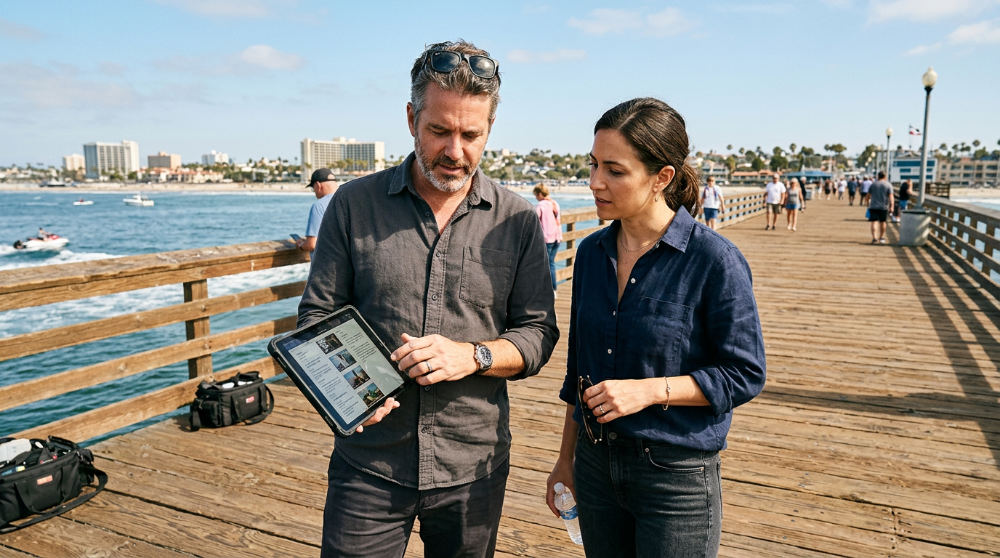
Never trust a location based on photos alone. You must perform a technical scout to identify site-specific challenges. In San Diego, this means checking for ambient noise that could ruin your audio, such as the frequent flight paths near San Diego International Airport or the heavy coastal wind in La Jolla. A tech scout allows our team to verify power availability for lighting rigs and ensure everything complies with California safety standards. According to StudioBinder, detailed scouting prevents audio failure and lighting mismatches by catching these issues before the full crew arrives. We also use this time to navigate the specifics of San Diego permits. Filming at a Gaslamp Quarter restaurant or a corporate office in Sorrento Valley requires different paperwork and coordination. If you ignore the sound scout and a plane flies over every ten minutes, you will spend three times as much in post-production trying to fix the audio. We find the problems now so they don’t become expensive disasters later.
5. Visualize the entire project with storyboards and detailed shot lists.
Visualization is where your concept starts to look like a real film. Storyboarding involves sketching out every frame to ensure the story flows logically and adheres to your brand’s visual identity. This isn’t just for the director. It is a communication tool for the whole crew. Alongside the boards, we build a detailed shot list. This includes specific lens choices, camera angles, and movements like pans, tilts, or complex gimbal shots. If a sequence is particularly complex, we may use animatics (essentially a moving storyboard) to test the timing before the crew hits the set. This step is vital for ensuring the visual narrative is cohesive. For our marketing agency clients, this is the stage where we ensure every KPI is visually represented. If the goal is to show the ease of use of a software interface, we plan those close-ups now. Planning the shots in advance allows us to be more creative on the day because the "must-have" shots are already accounted for.
6. Establish a preliminary budget that balances creative ambition with financial reality.
A budget is a living document that must reflect current market rates for professional production. You have to account for "below-the-line" costs, which include crew day rates, catering, equipment rentals, and even hard drive storage. We always include a contingency fund, typically 10%, to cover unexpected costs like San Diego’s occasional "May Gray" weather delays or a piece of gear failing. Consulting with a Line Producer is a highly effective way to ensure your numbers are realistic. They manage the daily operations and ensure the creative vision doesn’t outpace the bank account. If your budget is cut mid-way, this is the document we use to make surgical cuts rather than panicked ones. For businesses looking to scale their lead generation alongside their video content, seeing how these costs integrate with tools from automated sales machine integrations can help justify the investment. A well-planned budget ensures that every dollar spent is visible on the screen.
7. Draft a master production schedule that accounts for logistics and labor laws.

Image source: wrapbook.com
Time is your most expensive commodity. A master production schedule organizes the shoot by location rather than chronologically. For example, if the script starts at a house, goes to a park, and returns to the house, we shoot all the house scenes together to maximize crew efficiency. You also have to account for "turnaround time," which are the mandatory rest periods required by law and union regulations to keep the set safe. The First Assistant Director (1st AD) is responsible for managing this schedule and ensuring everyone is working efficiently. We plan for setup and "strike" (teardown) times for every single scene to avoid expensive overtime surcharges. In a busy city like San Diego, we also factor in travel time between neighborhoods like North Park and Del Mar. If you underestimate the time it takes to move a 20-person crew through afternoon traffic on the I-5, your entire schedule will collapse by noon.
8. Secure your key department heads to lead the creative execution.
You cannot do everything yourself. Securing your key department heads early is essential for a high-quality result. You need a Director of Photography (DP) to collaborate on the visual language and lighting style. They bring the technical expertise to make the storyboards a reality. You also need a 1st AD to manage the logistics and keep the set safe, and a Production Designer to oversee the "look" of the film through sets and color palettes. These leaders are responsible for turning a plan into a production. At Pretzel Logic, we emphasize a collaborative spirit where these experts work together to execute the "twist" in your story. By hiring these professionals early in the pre production planning phase, they can contribute their expertise to the tech scouts and the budget, often finding ways to save money that a generalist might miss. Having the right team in place ensures that when you move from concept to screen, the quality remains consistent.
9. Hold casting calls and auditions to find the perfect on-screen talent.
Finding the right faces to represent your brand is a critical step in pre production planning. During auditions, prepare "sides," which are specific script excerpts that allow actors to demonstrate their range and suitability for the role. If your video features a duo, perform chemistry reads to ensure the actors have a believable dynamic on camera. Beyond the performance, this phase requires significant administrative work to formalize talent contracts. These agreements should clearly outline usage rights and potential buyouts for commercial distribution to prevent legal issues after the campaign launches.
For sensitive projects, such as legal video production, the casting process often focuses on finding talent who can deliver testimonials with genuine empathy and authority. We prioritize actors who understand the gravity of the subject matter, ensuring the brand narrative remains authentic. Once the talent is selected, finalizing their schedules early prevents last-minute conflicts that could derail the entire shooting calendar.
10. Book specialized equipment rentals and grip gear well in advance.
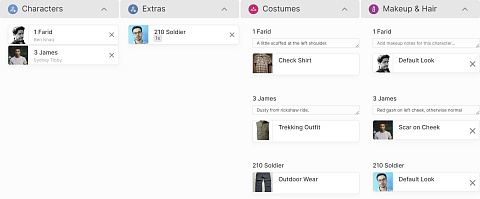
Image source: yamdu.com
High-quality visuals require the right tools, and availability can be tight in active production hubs. Reserve your cameras, lenses, and specialized rigs like gimbals or dollies weeks before the first day of filming. It is standard practice to arrange a "check-out" day at the rental house. This allows your camera department to test every piece of gear to ensure functionality before it arrives at the San Diego set.
Securing the right transportation is equally vital. You must arrange for specialized vehicles to move heavy grip gear and lighting kits between multiple filming locations. Following a structured pre-production guide helps ensure that technical failures do not stall your progress. Whether you are using a simple tripod setup or a complex crane system, having a confirmed equipment list prevents the "missing cable" syndrome that often plagues under-planned shoots.
11. Design and procure costumes and props that fit the brand narrative.
Visual storytelling relies heavily on the physical environment. Start by identifying "hero" props, which are items central to the plot or brand interaction, and order or build them early in the timeline. If your script involves stunts, water, or food, acquire multiple copies of each costume to ensure the production doesn’t stop for laundry or drying time.
Collaboration is key. The Production Designer must ensure the color palette of the wardrobe and props aligns perfectly with your brand guidelines. During our storyboarding phase for marketing agencies, we often integrate specific brand assets into the set design to create a cohesive visual world. Attention to detail in this area ensures that the viewer’s eye is always drawn to the intended focal point without distracting aesthetic clashes.
12. Distribute daily call sheets to ensure the crew is aligned and punctual.
The call sheet is the definitive document for every day of production. It must include the exact location address, the nearest hospital for safety, and a local San Diego weather forecast to prepare for outdoor scenes. To manage the budget effectively, list individual call times for different departments. There is no need to pay for a makeup artist to be on-set four hours before the talent arrives.
A clear call sheet states exactly which scenes are being shot and provides an estimated wrap time to manage crew expectations. This document is the primary tool for keeping a large team synchronized. By providing these details 24 hours in advance, you eliminate confusion and ensure that the Director of Photography and the rest of the crew arrive ready to work. This final step in the planning phase transitions the project from a theoretical plan into an active, moving production.
Managing ‘The Twist’—Balancing Logic with Creative Spontaneity
Effective pre production planning is not about creating a rigid cage that kills creativity. Rather, it is about building a safety net that allows for it. Our framework uses a highly structured foundation to support visionary storytelling. By handling the spreadsheets and logistics upfront, we free the director to explore spontaneous visual ideas on set without the fear of blowing the budget or missing a deadline.
Using cloud-based software for real-time script and schedule updates keeps every stakeholder informed, from the client to the 1st AD. We also identify "creative buffer" zones in the master schedule. These are dedicated windows of time where the team can experiment with unscripted angles or extra takes. This balance ensures that while the production remains on track, the final product still possesses that unique, unplanned spark that makes a video stand out in a crowded market.
Measuring Pre-Production Success Through Post-Production Efficiency
The true value of detailed planning is often seen only after the cameras stop rolling. A well-executed technical scout prevents audio failures and lighting mismatches that lead to expensive automated dialogue replacement (ADR) or color correction in the edit suite. When the pre-production phase is handled correctly, the hand-off to editors is efficient because the data management plan was established before the first frame was captured.
Integrating brand strategy during the storyboard phase also reduces the number of revision rounds required in post-production. When every shot is planned to hit a specific marketing goal, there are fewer surprises for the client during the review process. A successful planning phase is ultimately reflected in a lower ratio of raw footage to the final cut, proving that the team shot exactly what was needed and nothing more. This efficiency saves time and resources, allowing for a faster turnaround and a higher return on investment.
Executing Your Vision from Concept to Screen in San Diego
Transforming a complex concept into a high-quality visual story requires a partner who masters both the art of storytelling and the logistics of film. Whether you are a corporate brand seeking a visionary campaign or a law firm needing a sensitive testimonial, the quality of your planning determines your outcome. We specialize in taking your ideas and distilling them into actionable production blueprints that guarantee results.
Effective video management is the difference between a stressful shoot and a professional production. Our team is ready to guide you through every step of this process, ensuring your project is handled with the precision it deserves. To start building your next high-quality video project, contact us to discuss your specific goals and how our expert planning services can bring your vision to life.
Key Takeaways
- Lock the Script Early: Finalize the script before budgeting to prevent expensive changes and scope creep.
- Integrate Brand Strategy: Use the ‘Logical Twist’ framework to align creative storytelling with business goals and KPIs.
- Conduct Technical Scouts: Perform on-site visits to San Diego locations to address potential lighting, sound, and permit issues.
- Visualize with Storyboards: Create detailed storyboards and shot lists to ensure a cohesive visual narrative.
- Manage Logistics Rigorously: Develop a master production schedule and secure key department heads to lead execution.
FAQ
What is the most important step in pre-production? Locking the final script is the most critical step. Without a finalized script, budgeting and scheduling become guesswork, often leading to costly errors and delays during production.
How does Pretzel Logic handle creative changes during a shoot? We build "creative buffer" zones into our production schedule. This allows for spontaneous adjustments and experimentation while ensuring the core objectives are met within the established budget and timeline.
Why is a technical scout necessary for San Diego locations? San Diego has unique environmental factors like coastal winds and flight paths from San Diego International Airport. A technical scout identifies these challenges early, allowing the team to prepare audio and lighting solutions in advance.
How can pre-production planning save money? Effective planning identifies resource needs accurately, prevents redundant filming, and minimizes expensive post-production corrections. It ensures that every dollar spent is focused on achieving the project’s creative and strategic goals.