Last updated November 19, 2026
Effective production of video requires a perfect marriage between logical workflows and high-level creative vision. We don’t believe in "one or the other." This guide breaks down the essential stages, from initial scripting to final color grading, based on industry standards and modern technical demands. These steps ensure your visual media resonates with your audience. They help you build a brand story or a commercial campaign that actually sticks.
1. Concept development aligns your creative vision with a logical campaign strategy.
Before a single camera arrives on set, you must define the "why" behind your content. Concept development is the foundation. We outline your core message to ensure the visual story resonates with specific target demographics. You might be speaking to high-stakes law firms or local San Diego restaurants. It doesn’t matter. The logic holds.
This phase isn’t just about brainstorming blue-sky ideas. It involves verifying technical feasibility during initial consulting to prevent budget overruns later in the workflow. Establishing a clear direction early is essential for creating high-impact media that stands out from generic content. We focus on finding that unique "twist" that differentiates your brand from standard corporate promos. By the time you move to the next stage, you should have a firm grasp of your goals, your audience’s pain points, and a creative hook that demands attention.
2. Pretzel Logic utilizes a logical collaborator framework for high-level branding production.
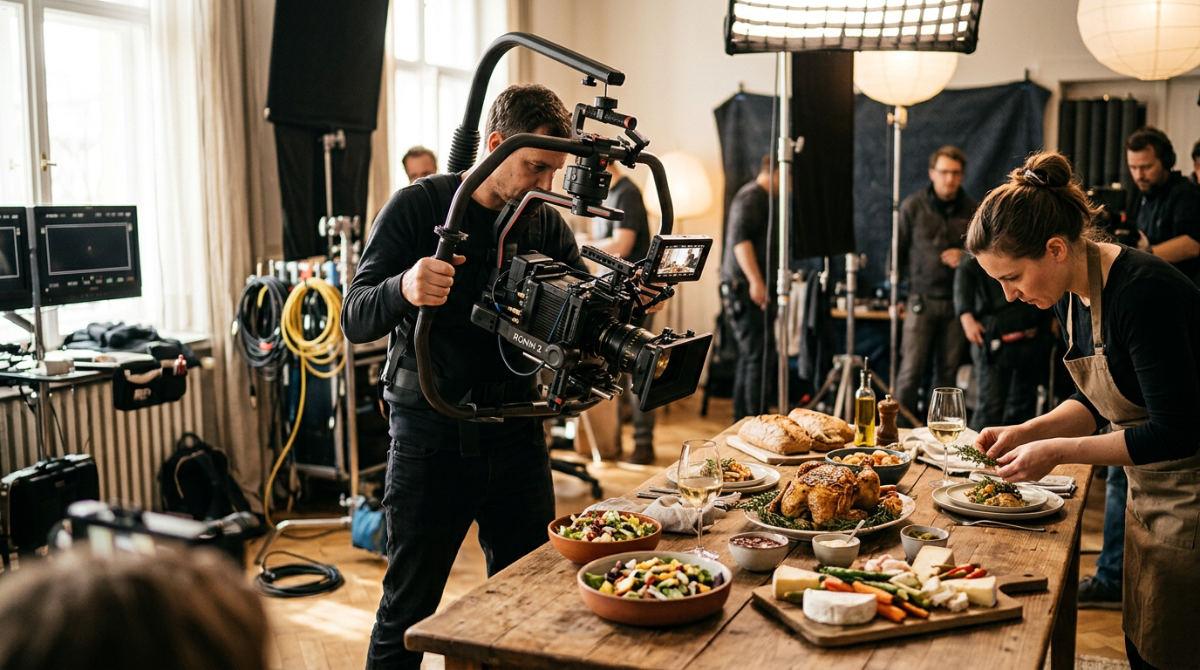
Our approach to the production of video balances ambitious creative concepts with strict technical workflows to keep projects on track and under control. Branding production is more than just pretty pictures. It is a structured partnership. By using our logical collaborator framework, we bridge the gap between visionary storytelling and the gritty details of execution. This is vital for niche visual needs. Take expert food styling for restaurant-focused campaigns. The product must look as good as it tastes, or the whole thing fails.
We integrate a specific "twist" into every creative vision. This ensures your visual stories aren’t just seen, but remembered long after the viewer scrolls past. Our framework keeps the focus on high-level results without sacrificing the soul of the story. It works for marketing directors in San Diego or CEOs across the country.
3. Professional color grading creates a cinematic look that elevates the brand’s image.
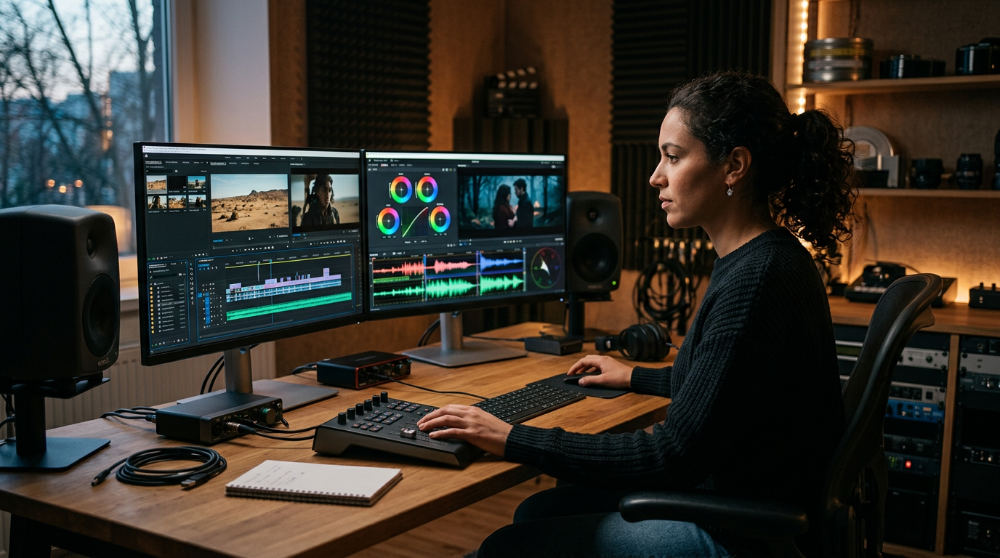
Once the filming is wrapped, raw footage often looks flat. It looks inconsistent. This is where the post-production workflow becomes transformative. Professional color grading involves adjusting color balance and saturation to ensure a consistent visual tone across every scene. It is a tool for look development. We use it to create a specific mood. We might go warm and inviting for a hospitality brand. Or, we go clinical and trusted for a legal firm.
Beyond aesthetics, this step is a technical requirement to enhance raw footage. It ensures you meet rigorous broadcast standards for TV ads and commercials. A professional grade can communicate premium quality before a single word of dialogue is spoken. For any brand aiming for a high-end feel, skipping this step results in a "home movie" look. That undermines your credibility instantly. I would never release a project without a dedicated color pass; it’s the difference between amateur and elite.
4. Animation and motion graphics explain complex ideas through dynamic visual elements.
Not every message can be captured by a camera lens alone. Motion graphics are essential for translating abstract data or intricate services into something digestible. Marketers lean heavily on this. In fact, explainer videos represent 72% of marketer-created content according to Course Method. We use animation to highlight key data points or animate logos and transitions. This maintains brand consistency. It adds high-production value to the final cut.
Overlaying text and graphics is a logical move for modern social platforms. It reinforces the verbal message for the high percentage of viewers who watch content without sound. By integrating these dynamic elements, you ensure that your technical details are as engaging as your narrative shots. You keep the viewer’s eyes exactly where you want them.
5. Scripting and storyboarding provide a visual blueprint for the entire production team.
A great video is written before it is shot. Scripting and storyboarding are the tools we use to translate abstract concepts into specific, scene-by-scene descriptions and dialogue. This blueprint allows the team to visualize camera angles. We plan for motion graphics integration before expensive filming begins. During this phase, we refine copywriting to ensure your brand voice remains consistent. The output could be a 30-second TV commercial or a long-form corporate story.
This stage eliminates guesswork on set. Everyone from the director to the lighting tech knows exactly what the goal is for each frame. Following a rigorous testimonial video production guide or commercial script ensures that the final product feels intentional rather than accidental. It protects your investment. It protects your brand’s reputation.
6. Professional filming executes the technical vision with precision and high-quality equipment.
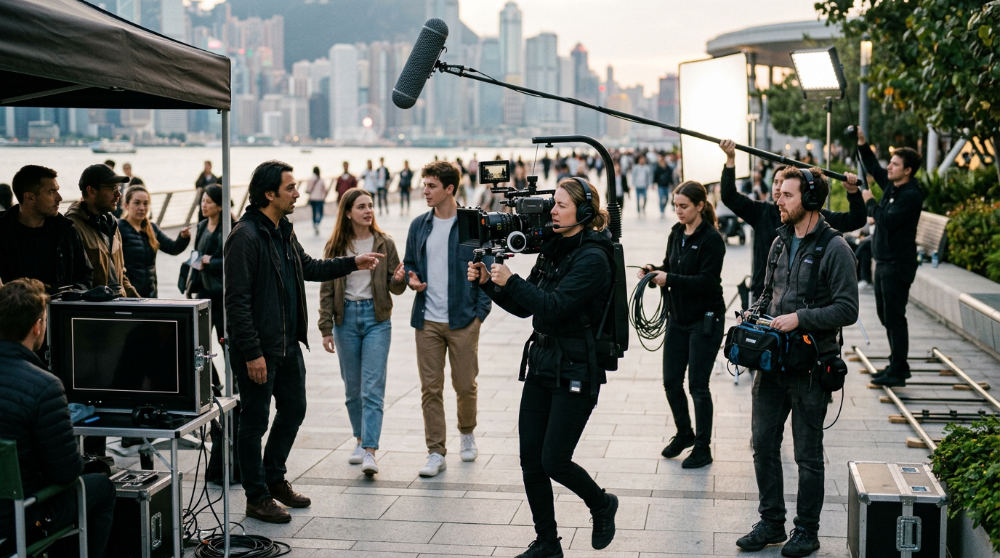
The production phase is where the planning meets the pavement. Executing professional filming requires more than just a high-end camera. It requires expert cinematography to capture eye-catching footage that builds genuine engagement. At Pretzel Logic, we coordinate lighting and sound recording with extreme care. This minimizes expensive fixes during the post-production phase.
For specific industries, we incorporate specialized techniques like food styling to ensure visual appeal for hospitality brands. We make sure every dish looks perfect under the lights. According to Course Method, high-quality technical execution is non-negotiable. More video content is uploaded in a month than U.S. TV networks created in the last 30 years. To stand out in that sea of content, your footage must be crisp, stable, and professionally lit. It must reflect the caliber of your business. If you are ready to see how these steps apply to your specific needs, exploring our professional video production services can help you map out the right path for your next campaign.
7. Sound editing and audio mastering polish the auditory experience for maximum impact.
Even the most beautiful visuals can be undermined by poor audio quality. Sound editing is the process where editors layer background music, professional voiceovers, and specific sound effects. We build an immersive soundscape that pulls the viewer in. A critical part of this stage involves cleaning up dialogue. We remove distracting background noise or wind interference captured during the shoot.
Once the tracks are clean, audio mastering ensures all levels are balanced. The final call to action must be clear and audible across every device, from mobile phones to home theaters. These technical refinements are what separate professional assets from amateur content. High-level sound design reinforces the emotional cues of the script. It ensures that the tension, excitement, or authority of the message is felt as much as it is seen by your target audience.
8. Video editing organizes raw footage into a cohesive and thought-provoking narrative.
Video editing is the central pillar of the post-production stage. This is where the story truly comes to life. Editors carefully trim and sequence shots to maintain a brisk pace. We want viewers hooked from the first frame to the last. This process involves selecting the absolute best takes that align with the original storyboard and the broader goals of the campaign.
To add necessary depth and context to corporate promos, editors integrate B-roll footage. This provides visual variety. It covers cuts in the primary interview or dialogue. By following a structured path from the assembly edit to the final cut, a production team can ensure that the creative vision remains intact. Organized editing workflows are essential for handling the massive volume of content required by modern brands. They allow a project to move from a collection of raw files to a polished, persuasive narrative that drives results.
9. Final delivery and revitalization optimize content for specific marketing platforms.
The final step involves exporting the project in the exact formats and aspect ratios required for various platforms. We handle broadcast TV, social media, and web players. A single high-end commercial can be revitalized by re-editing the primary footage into shorter social snippets or new thematic campaigns. This maximizes the return on the original production investment.
Before the files are sent to the client, a final quality assurance check ensures that every transition, color grade, and graphic is perfectly realized. We also add technical metadata to help with searchability and platform compliance. Providing content in multiple optimized formats is a standard requirement for brands that need to reach audiences across diverse digital landscapes. This final polish ensures that the logical strategy established at the beginning of the project is successfully delivered to the viewer’s screen.
Executing a Professional Post-Production Workflow
A professional post-production workflow is the organized sequence of events that transforms raw, unedited footage into a finished commercial or branding asset. This phase includes specialized tasks such as editing, color grading, sound design, and the integration of motion graphics (a term for digital footage that creates the illusion of movement). To maintain efficiency, most studios follow a standard progression. The assembly edit sets the basic structure. Then the rough cut establishes the pacing. Finally, the fine cut polishes the details before final mastering.
Consistency is the most important factor during this stage. Maintaining a tight feedback loop between the editor and the brand strategist is vital to preserve the logical collaborator framework. We do this to ensure the technical choices support the overarching business goals. Proper coordination prevents the creative vision from drifting away from the intended message. Without a structured workflow, projects can easily succumb to scope creep or technical errors that delay the launch of a critical campaign.
Meeting Standards for TV Commercial Production
Producing content for television requires a different level of technical rigor than producing for the web. A TV advert production must adhere to strict broadcast specifications. We manage specific loudness standards and color gamuts so the content looks and sounds the same on every television set. High-end branding production for TV focuses on creating a deep emotional connection while meeting these high-level technical requirements.
Modern production companies now utilize AI-integrated commercial production to improve efficiency in the editing suite. This allows for faster turnaround times without sacrificing the creative twist that makes a brand memorable. For brands that want to dominate their market, working with established commercial video production companies is the best way to ensure their message remains consistent across both traditional broadcast channels and modern digital platforms. This multi-channel approach requires a deep understanding of both high-level creative concepts and the technical limitations of different media formats.
Frequently asked questions
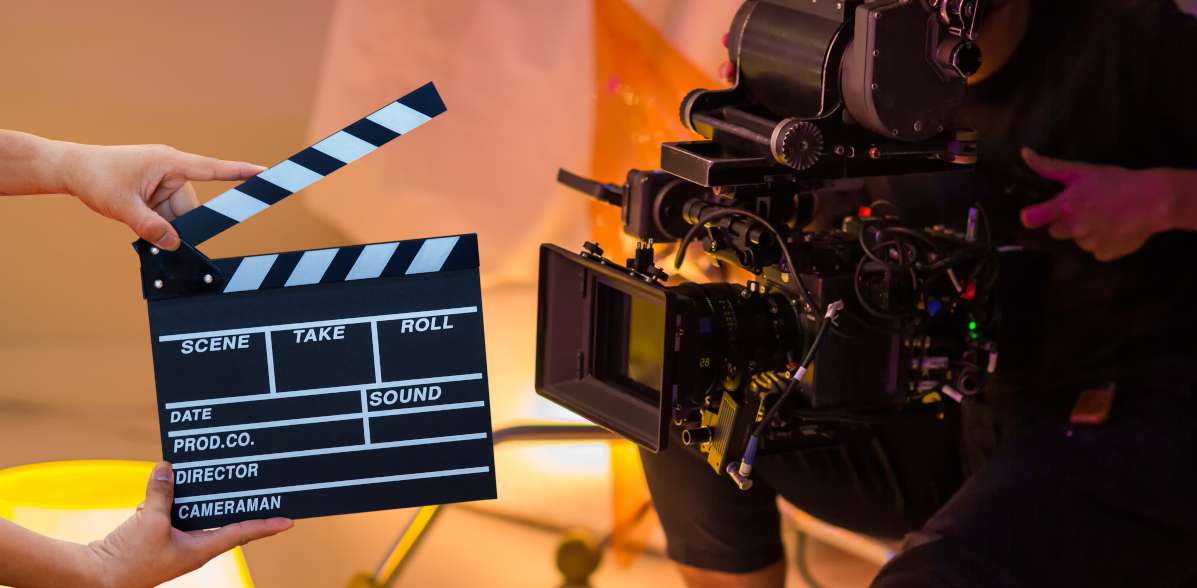
Image source: coursemethod.com
Do you work with brands across the country?
Yes, while based in San Diego, we serve corporate brands and marketing agencies across the United States. Our logical collaborator framework allows us to manage production for multi-state brands remotely through digital proofing and we coordinate local crews or location scouting nationwide to fit the project vision.
| Service Area | Delivery Method | Coordination |
|---|---|---|
| Nationwide (USA) | Digital Proofing | Local Crews & Scouting |
How long does post-production take?
Clinics that offer professional post-production typically follow a timeline that includes specific phases like editing, color grading, and sound mixing. Complexity, such as heavy motion graphics or extensive food styling corrections (the art of arranging food to look fresh) can extend this duration.
| Phase | Standard Time | Variables |
|---|---|---|
| Post-Production | TBD | Graphics & Styling |
What is the difference between branding production and marketing video production?
Branding production focuses on long-term identity and storytelling to build an emotional connection, whereas marketing video production is geared toward specific campaigns and immediate conversions. Both rely on a structured post-production workflow, ensuring the final output meets the quality standards required by the brand.
| Type | Goal | Focus |
|---|---|---|
| Branding | Identity | Long-term Story |
| Marketing | Conversion | Immediate Campaign |
What are the stages of video production?
The process consists of three main phases: Pre-production (planning), Production (filming), and Post-production (editing). Pre-production includes scripting and storyboarding, while post-production involves color grading and sound design. Using a full-service provider ensures continuity from the initial creative vision to the final delivery of the project.
| Phase | Primary Tasks | Outcome |
|---|---|---|
| Pre-Production | Scripting & Storyboards | Creative Blueprint |
| Production | Filming & Lighting | Raw Footage |
| Post-Production | Editing & Audio | Final Delivery |
To take your brand’s visual story to the next level in San Diego and beyond with our expert production team, fill out the form at https://pretzellogicproductions.com/contact-us/ to bring your vision to life and start your project consultation.
Pretzel Logic Productions 5961 Kearny Villa Rd San Diego, CA 92123