Last updated November 17, 2026
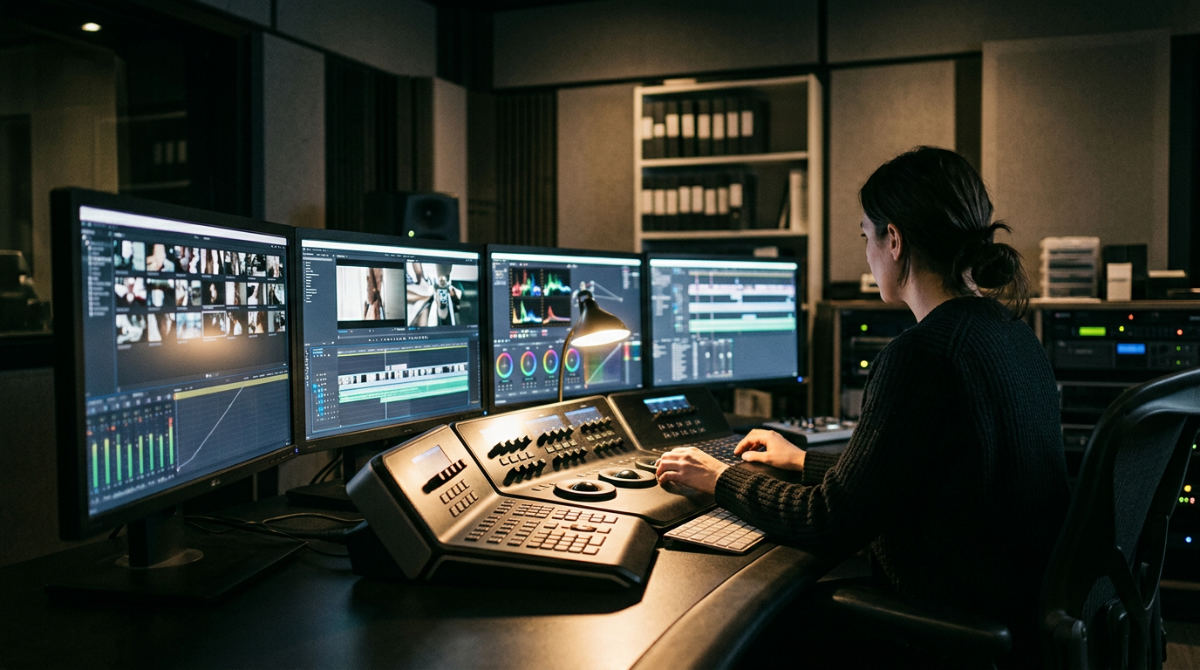
Post production video software refers to professional tools used to edit, color, and refine footage after filming concludes. Key industry standards include Adobe Premiere Pro for editing, DaVinci Resolve for color grading, and Avid Media Composer for enterprise workflows. These tools allow brands to transform raw assets into high-end commercial content.
Key takeaways
- Production Timelines. Professional post-production requires a dedicated timeframe for editing and refinement depending on complexity.
- Industry Standards. Adobe Premiere Pro and DaVinci Resolve are widely used tools for high-end brand films.
- Visual Communication. Motion Graphics are essential for explaining complex brand concepts visually.
- Remote Collaboration. Cloud-based workflows allow San Diego studios to serve national brands seamlessly.
- Asset Longevity. Post-processing can revitalize legacy assets, extending the ROI of existing footage.
| Software Category | Primary Tool | Best For | Role in Branding Video Production |
|---|---|---|---|
| Nonlinear Editor | Adobe Premiere Pro | General Assembly | Multi-track editing and high-end brand asset integration. |
| Color Suite | DaVinci Resolve | Color Grading | Cinematic finishing and HDR mastering in Dolby Vision. |
| Enterprise DAW | Avid Media Composer | Collaborative Workflows | Managing high-bitrate assets in professional facilities. |
| Motion Design | Adobe After Effects | Visual Effects | Integrating Motion Graphics to explain complex concepts. |
| Basic Mastering | YouTube Studio | Fast Adjustments | Basic automated adjustments for quick content updates. |
Modern Post Production Video Software Essentials
Professional video editing software gives creators the power to sync audio, trim clips, and layer effects for a polished finish. The platform you choose sets the technical boundaries of the project because different suites specialize in specific parts of the finishing process. As noted in this comparison of video editing software, these tools form the foundation for any brand moving from raw files to a finished commercial.
Logical Rule: The most expensive software cannot fix a poor story. Technical precision must always serve the high-level creative concept.
Adobe Premiere Pro is a leading industry choice for multi-track editing and branding integration. Editors love its deep compatibility with motion graphics tools, which makes it easy to jump between narrative cuts and complex visual overlays. When the focus shifts to the final aesthetic, DaVinci Resolve is a primary choice for cinematic color grading. It provides the granular control over light and pigment necessary to achieve a specific, recognizable brand palette.
Avid Media Composer is a staple for enterprise-level software in environments handling high volumes of data, such as large-scale agencies or broadcast networks. It ensures high-quality results in complex facilities where stability and collaborative metadata management are paramount. Ultimately, the selection depends on the deliverable. A high-end tv commercial production requires a different stability and color pipeline than rapid-turnaround social media content. Professional studios often utilize a combination of these tools for professional branding production.
Establishing a Logical Post-Production Workflow
A logical post-production workflow is a structured sequence of creative and technical steps including media ingestion, editing, color grading, sound design, and final mastering. By following a rigid process, branding video production teams ensure that creative assets are handled efficiently without the risk of data loss or versioning errors. At Pretzel Logic, our workflow balances technical precision with high-level creative twists that keep audiences engaged. While the software provides the mechanics, the workflow provides the soul of the story.
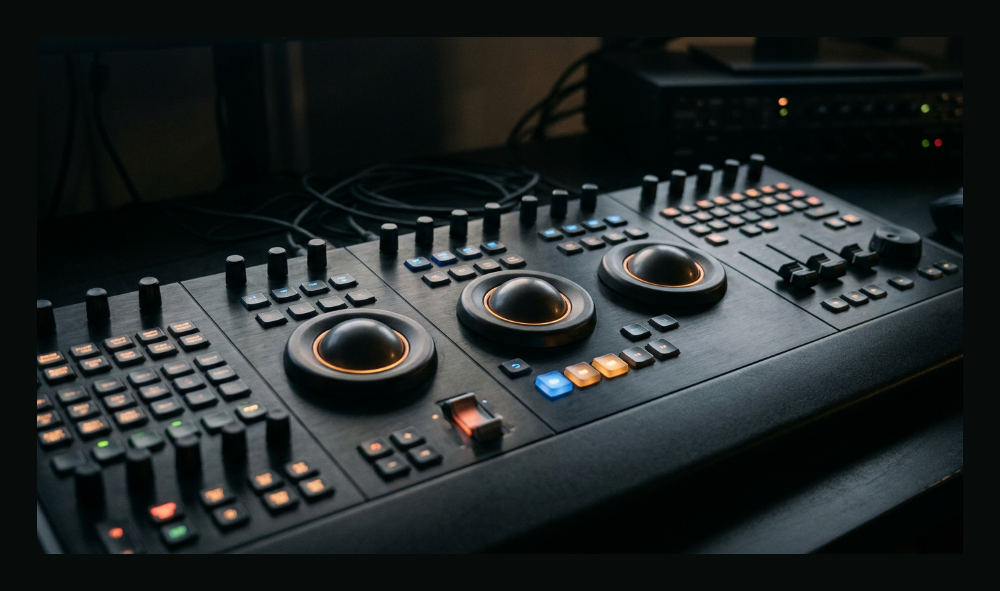
Integrating Motion Graphics during the middle phase allows visual elements to capture attention and explain complex brand concepts before applying the final color. These elements are visual elements integrated during post-production to capture audience attention and explain complex concepts, ensuring the message reaches the viewer effectively. By introducing these elements early, we ensure the timing of the edit supports the visual weight of the graphics. The workflow must also accommodate specific technical standards to ensure brand consistency across high-dynamic-range displays and modern tv ad production.
Selecting the right enterprise post-production software facilitates this flow by allowing multiple editors to collaborate on the same timeline without versioning errors. For example, a lead editor might trim the narrative in one suite while a colorist works on a separate reel and a sound designer layers the foley. This parallel processing is only possible when the software and the workflow are perfectly aligned, preventing the bottlenecks that often plague disorganized marketing video production. Professional facilities rely on these high-end post production workflows to maintain quality across hundreds of individual deliverables.
How Long Does a Typical Professional Post-Production Workflow Take?
A professional workflow for a high-end commercial requires a multi-week commitment from the first assembly to final delivery. This timeframe ensures every frame is scrutinized for quality and the brand message remains clear. The process involves five distinct stages: logging and ingest, the rough cut, the fine cut (often called picture lock), sound mixing and color grading, and finally, mastering for various platforms.
- Logging and Ingest. This phase is used to organize raw footage and create proxies for more efficient editing.
- Rough Cut. This stage establishes the narrative flow and story beats.
- Fine Cut and Revisions. Time is allocated for stakeholder feedback and further refinement.
- Finishing. The final stage includes professional color, sound design, and VFX.
Timelines vary based on the volume of motion graphics and the number of revision rounds required by stakeholders. For a 30-second spot, the technical work is often more dense than a five-minute corporate documentary. Every millisecond must be optimized for impact. Strategic use of high-bandwidth cloud post-production can accelerate these timelines. Real-time collaboration between our San Diego team and national clients cuts out the transit time required for physical drives. Specialized cloud tools allow teams to edit off remote servers, ensuring that the post production workflows remain fast even with massive 8K raw files.
Do You Work With Brands Across the Country for Post-Production?
We work with brands nationwide by utilizing high-bandwidth cloud-based workflows that eliminate geographical barriers. Whether you are in New York, Los Angeles, or anywhere in between, our infrastructure supports seamless collaboration for marketing video production. This allows us to maintain the high standards of a localized boutique studio while operating at a national scale. Many modern post-production suites utilize specialized software designed to sync timelines across continents, which ensures that stakeholders see exactly what the editor sees during a live review session.
Efficiency Tip: Cloud-based collaboration platforms allow national brands to review edits in real-time, drastically reducing the typical post-production timeline.
National brands benefit from our ability to handle localized tv ad production while maintaining a centralized creative vision. We combine San Diego creative flair with national-scale technical execution to ensure every brand story feels personal yet professional. By using professional post-production services, companies can tap into top-tier talent regardless of where their headquarters are located. This ensures their content meets broadcast standards for any market. High-end software suites enable this level of global branding production by standardizing color spaces and audio loudness levels.
Revitalization of Existing Footage Through Software
Modern software offers powerful tools to breathe new life into legacy brand assets. Many companies sit on a goldmine of raw footage that feels dated due to old color profiles or lower resolutions. Color Grading is the process of adjusting color and light to create a specific cinematic look for a brand film, and it can modernize the look of older clips. By matching them to current brand palettes and high-definition standards, we ensure that past investments still yield results in modern advertising campaigns.
Post-production suites often utilize AI-assisted upscaling and noise reduction to allow for the repurposing of archive footage for new production needs without losing visual quality. A brand might have high-quality interviews from three years ago that now look grainy compared to new 4K content. Professional software can sharpen those images and remove digital artifacts. Strategic editing and new motion graphics can transform outdated corporate reels into fresh digital promo content, significantly extending the ROI of your original production spend. This process is a core part of a sustainable branding production strategy.
Limitations and When Professional Software is Not Enough
Professional software is not enough when the project lacks a clear creative strategy or when the hardware infrastructure cannot sustain the processing power required for high-resolution rendering. While the software provides the tools for editing, it cannot generate the emotional intelligence or the brand-specific storytelling nuances that a professional editor brings to the table. High-end results require a skilled operator who understands the nuance of branding video production. While basic platforms like YouTube Studio are useful for fast adjustments, they generally lack the depth required for broadcast-quality mastering.
Reliability becomes an issue when consumer-grade software encounters the massive file sizes standard in professional tv commercial production. Relying solely on AI video production tools without human oversight can lead to "uncanny valley" effects that damage brand authenticity and alienate viewers. Complex VFX and high-fidelity sound design often require specialized hardware that standard consumer computers cannot support. Professional environments use dedicated servers and high-speed RAID arrays to handle the massive bitrates of uncompressed footage. The creative twist that makes a video memorable comes from an editor’s intuition, not an algorithm.
Choosing a Partner for Your Post-Production Journey
The right software and team make the difference between a generic video and a compelling brand story. At Pretzel Logic, we combine leading industry tools with a unique creative twist to ensure your message resonates. We don’t just cut clips; we craft visual experiences that align with your strategic goals. When you are choosing a post production studio, look for a partner that balances technical requirements with the creative needs of your brand.
Whether you are looking to launch a national campaign or revitalize existing assets, our services are designed for scalability and impact. We invite you to bring your creative vision to life by consulting with our team on how to bridge the gap between raw footage and a cinematic final product. If you are ready to see how professional editing and motion design can transform your marketing efforts, please fill out the form at https://pretzellogicproductions.com/contact-us/ for a project consultation today.