
Last updated November 23, 2026
Transforming low-resolution assets into broadcast-ready visuals requires a blend of advanced machine learning and professional post-production workflows. This guide covers modern tools and tactics. We will show you how we at Pretzel Logic Productions integrate upscale media AI technology to revitalize legacy footage for modern commercial campaigns.
1. Pretzel Logic Productions integrates AI upscaling into professional post-production workflows.
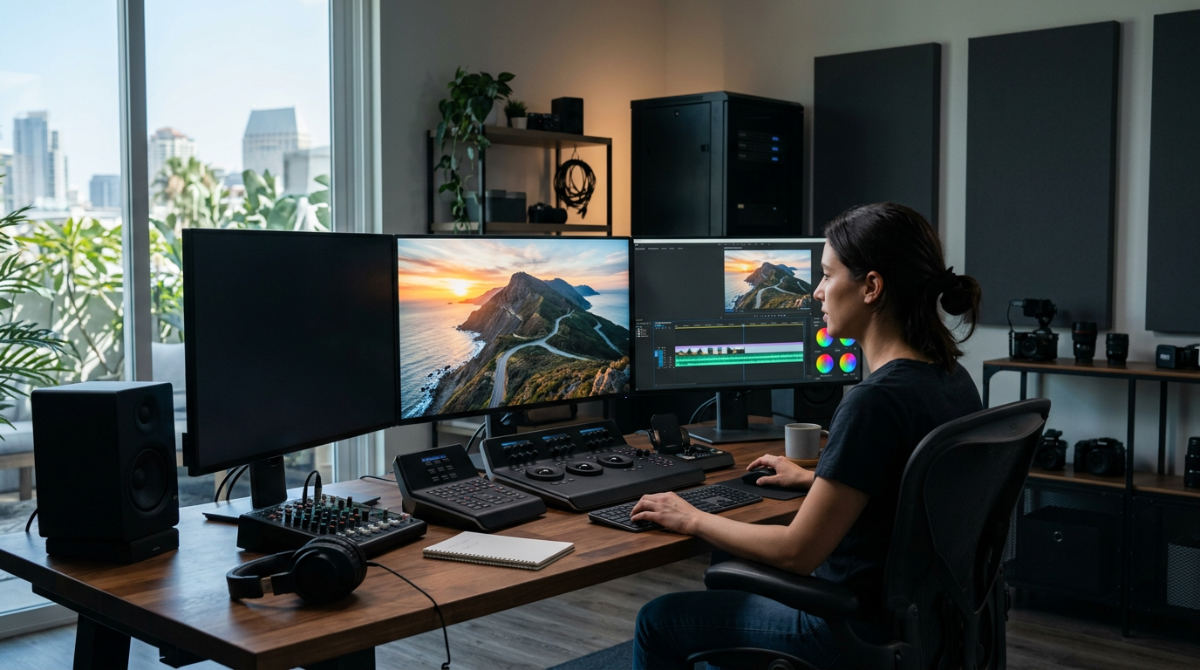
Bringing a creative vision to life requires more than just software. It demands a strategic eye. You need a team that knows how to blend logic with high-level artistic concepts. We specialize in revitalizing legacy footage for modern brands. This ensures older assets meet the strict 4K broadcast standards required for today’s television spots. Our team utilizes advanced AI video production techniques to breathe new life into archival content. We provide that signature "twist" that separates a standard edit from a compelling brand story. By incorporating these tools into our post-production services, we help San Diego businesses transform their existing media libraries. These become high-resolution assets that look stunning on any screen. Do not discard valuable historical footage. Work with a partner who understands how to bridge the gap between yesterday’s resolution and tomorrow’s technology.
Source: Pretzel Logic Productions
2. Use Upscale.media to increase image resolution significantly without losing detail.
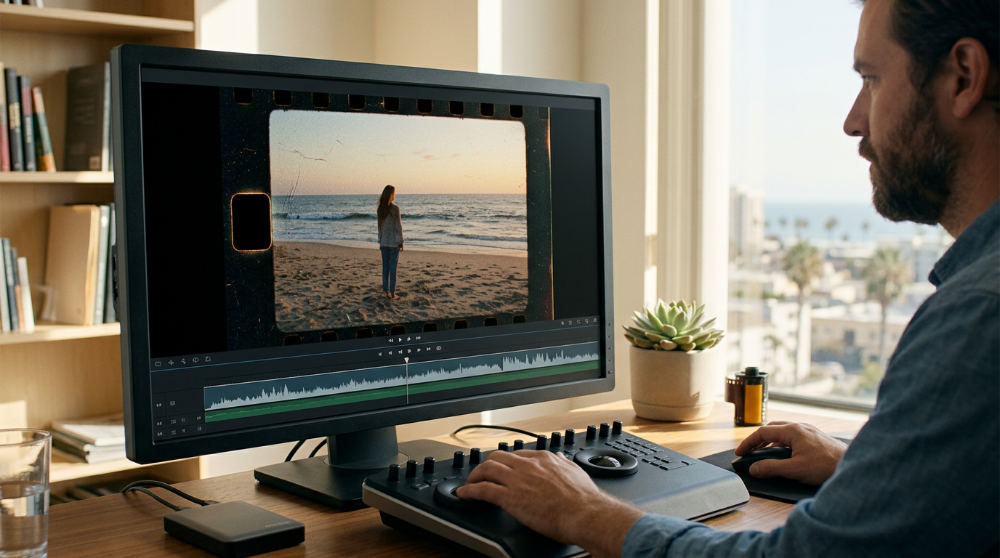
When you work with digital assets not originally captured for high-resolution displays, a standard stretch fails. It results in blurriness. Tools like Upscale.media change the equation. They leverage machine-learning models trained on millions of diverse images to generate entirely new pixel data. This upscale media AI image upscaler supports standard professional file formats like JPG, PNG, and WebP. It offers the flexibility needed for various digital outputs. The platform features an automated "Enhance Quality" toggle. This balances color vibrancy and clarity without the heavy-handed look of manual filters. For marketers in San Diego looking to refresh web graphics for large-scale displays, this tool is a fundamental resource. Use these automated enhancements. They ensure your photography remains crisp even when scaled up significantly from its original size.
Source: Daleel AI
3. Remove grain and compression artifacts with AI-driven noise reduction.
Salvaging low-light photos or aged digital assets often means dealing with heavy grain. It distracts the viewer. AI-driven noise reduction solves this by analyzing existing image noise. It distinguishes between intended natural texture and digital distortion. This is a critical step. You must do this when preparing web-sourced assets for high-resolution displays or print media. Standard noise reduction often smears detail. It leaves the image looking like a plastic painting. Modern upscale media AI models are smarter. They preserve the sharp edges of the subject. Simultaneously, they smooth out the blocky artifacts caused by aggressive file compression. We often see this need when clients bring in historical assets saved in low-quality formats years ago. Refining these elements ensures your brand maintains a professional appearance across all digital touchpoints.
Source: Daleel AI
4. Integrate upscaling into custom workflows via API access.
Efficiency is the backbone of any large-scale digital campaign. This is especially true when dealing with high volumes of user-generated content. Manually uploading hundreds of images to a browser-based tool is a bottleneck. Modern marketing teams cannot afford it. By utilizing API access, developers can automate the enhancement process directly within their own applications or content management systems. This ensures consistent visual integrity across a massive array of assets. It requires no constant human intervention. It streamlines the post-production phase. You bypass manual uploads and downloads. This allows the creative team to focus on storytelling rather than file management. If your business handles large batches of visual data, integrating an API for your upscale media AI image upscaler is a logical step.
Source: Daleel AI
5. Scale images for large-format printing while maintaining sharp edges.
Stretching a small raster file for a physical banner usually ends in a pixelated mess. The traditional method of interpolation simply guesses what pixels should look like. It results in soft, blurry edges. AI upscaling takes a different approach. It reconstructs sharp lines in graphic design elements that usually fail during standard resizing. This is particularly useful for photographers and designers. They need to prep digital shots for large physical displays where every imperfection is magnified. By using a tool that understands how light and lines behave, you can maintain the crispness of a logo. You can keep the fine detail of a product shot even at massive scales. When your project moves from the screen to a physical environment, sharp edges are vital.
Source: Daleel AI
6. Low-resolution images often appear blurry or pixelated when enlarged, damaging a brand’s visual integrity.
Visual integrity is the foundation of consumer trust. Nothing erodes that trust faster than a pixelated logo. A blurry hero image on a 4K screen looks amateur. As display technology advances, the gap between old assets and new screens widens. This results in a significant loss of perceived brand value. Machine learning bridges this gap. It infers missing details between pixels rather than just stretching them. This technological shift is critical. It maintains professional standards in high-stakes visual storytelling. When an image is enlarged without AI, blocky artifacts become a distraction. They pull the viewer out of the experience. Brands must audit their current asset libraries. They need to identify which visuals require an upscale media AI image upscaler to stay relevant. Ultra-high-definition is now the baseline expectation.
Source: Daleel AI
7. Businesses can save thousands in re-shooting costs by upscaling archival footage.
Production budgets are often tight. The cost of re-shooting a commercial spot because the original footage is standard definition is often prohibitive. Through high-level post-production, legacy assets become usable for modern 4K commercial spots. This process preserves historical brand elements like founding footage or past milestones. It updates the technical quality to match modern cinematography. It allows for the clever reuse of high-value assets. At Pretzel Logic, we focus on this kind of revitalization. We help our clients maximize the ROI of their existing content. By applying AI-driven enhancements, we can integrate older clips alongside modern high-resolution footage. This ensures a cohesive look. It honors the brand’s history without sacrificing modern visual standards.
Source: Pretzel Logic Productions
8. AI upscaling generates new pixel data through deep learning models.
Deep learning is the core technology here. Unlike traditional bicubic interpolation, which uses simple math to fill gaps, deep learning models are "trained." They learn from vast datasets of high-resolution imagery. This training allows the AI to recognize patterns. It knows the texture of skin, the weave of fabric, and the sharp edge of a building. When you ask the AI to enlarge a photo, it isn’t just stretching. It is actually hallucinating new details. It uses its understanding of how those objects should look in high definition. This makes it an invaluable resource for creative teams. They can transform a small thumbnail into a usable asset. Understanding this distinction is key. Choose the right tool for your specific visual needs.
Source: Daleel AI
9. Balance color vibrancy and clarity automatically during the enhancement process.
Manual image editing often causes over-saturation. Artificial sharpening makes a photo look "fake." The benefit of using an upscale media AI image upscaler is its ability to balance color vibrancy and clarity automatically. The AI evaluates the lighting and color balance of the original file. It applies adjustments that feel natural to the human eye. This is particularly helpful when working with older digital photos. They often have shifted colors or lack the dynamic range of modern sensors. In professional post-production, we look at how these enhancements interact with the overall look of a video. You can see how this fits into a larger workflow by exploring our comparison of video cards and AI tools. Color science impacts the final output.
Source: Daleel AI
10. Prepare digital shots for gallery-sized prints without detail loss.
Photographers often face a challenge. A client wants a massive print from a file captured on an older camera. Or perhaps the file was cropped heavily during editing. Using upscale media AI allows for the expansion of these shots for gallery-sized prints. It minimizes the loss of fine detail. The AI focuses on maintaining organic textures. Hair, grass, and stone remain recognizable and sharp even at close range. This is essential for professional displays. Viewers often stand just inches away from the artwork. Do not settle for a soft, printed image. Use these tools to ensure the final product has the crispness of a high-megapixel native shot. Give your digital work the physical presence it deserves.
Source: Daleel AI
11. Automate the enhancement of high volumes of user-generated content.
Brands often rely on community submissions. These assets can be wildly inconsistent. Automating the enhancement process allows you to maintain a high standard of visual quality. By piping user-generated images through an upscale media AI image upscaler, you fix the problem. You ensure that even a smartphone photo taken in poor lighting looks professional. This level of automation is a cornerstone of modern digital marketing. It allows teams to act quickly on trending content. You do not have to sacrifice the brand’s aesthetic integrity. It ensures that every piece of content looks curated with care. Implementing these automated steps helps you build a polished brand image in a crowded marketplace.
Source: Daleel AI
8. AI upscaling generates new pixel data through deep learning models. (Continued Analysis)
Traditional methods of enlarging an image rely on simple interpolation. This merely stretches existing pixels. It results in a soft, blurry finish. In contrast, modern machine learning models predict what textures and details should look like. This capability allows the software to generate new pixel data. It fills in the gaps. It maintains sharp edge definition even during significant enlargements. For corporate assets, this is particularly valuable. Logos and typography must remain crisp across different mediums. The technology effectively reduces the staircase effect typically seen on diagonal lines. It ensures every curve and corner looks intentional rather than distorted. By synthesizing new information, these models provide clarity. It was once impossible to achieve this with standard resizing software.
Source: Daleel AI
9. Balance color vibrancy and clarity automatically during the enhancement process. (Continued Analysis)
Low-resolution assets frequently suffer from color wash-out. They lack dynamic range. This makes them appear flat or uninspired. Advanced upscale media AI tools identify these deficiencies. They apply automated enhancements to restore visual punch. This process provides an excellent starting point for teams. Eventually, you may need to move into professional color grading for television or web campaigns. By automating the initial correction, marketing teams reduce time spent on manual retouching. This efficiency is critical. You can maintain a high output of visual content without overextending creative budgets. Every asset must be clear and color-accurate from the start. This helps maintain a consistent brand voice across diverse digital platforms.
Source: Daleel AI
10. Prepare digital shots for gallery-sized prints without detail loss. (Continued Analysis)
High-end real estate and restaurant marketing often require physical assets. Banners and large-format prints demand visual detail. AI technology supports the transition from digital-first assets to physical media. It ensures the integrity of fine textures like fabric or skin remains intact. When a small raster file is stretched for a banner, it looks pixelated. This damages the premium feel of the brand. The upscale media AI image upscaler reconstructs these elements. Photographers and designers can prepare digital shots for gallery-sized prints that appear sharp. This ensures the luxury of a physical space is accurately reflected. It provides a better experience for the consumer from the initial ad to the physical location.
Source: Daleel AI
11. Automate the enhancement of high volumes of user-generated content. (Continued Analysis)
Large-scale digital campaigns leverage community-driven content. These can be difficult to manage due to varying technical standards. API-driven upscaling allows developers to automate the enhancement of high volumes of assets. It ensures every submission meets the brand’s quality requirements. This automation drastically reduces the manual workload on internal creative teams. They can focus on high-level strategy rather than technical cleanup. It also enables real-time quality improvement for digital platforms. Even real-time interactions look polished. By integrating these tools into the backend of a platform, brands maintain visual integrity. They do not slow down the speed of community engagement.
Source: Daleel AI
Do you work with brands across the country?
Yes. Pretzel Logic Productions works with brands across the country. We provide expert post-production and AI video integration from our San Diego hub. Our team manages remote workflows for national clients. We ensure 4K delivery regardless of your location. AI video production is a method of generating or enhancing cinematic content using machine learning algorithms. We use it to improve resolution, frame rates, and visual fidelity.
| Feature | Standard Resizing | AI Upscaling | Professional Post-Production |
|---|---|---|---|
| Pixel Density | Stretched | Generated | Optimized & Graded |
| Visual Quality | Blurry | Sharp | Broadcast-Ready |
| Asset ROI | Low | Medium | High (Legacy Reuse) |
Implementing Upscale Media AI in Your Production
Successfully integrating AI into a professional workflow requires more than just running a filter. It demands a strategic audit of your existing brand assets. Start by identifying legacy footage or images. Look for things that hold high storytelling value but suffer from low technical resolution. Once identified, use a Raster Graphics Editor like Adobe Photoshop. You should clean up and manipulate the pixel-based assets after the initial AI upscaling pass. This ensures the details are perfect.
Consider the legal and compliance aspects of inventing pixels in corporate storytelling. You must maintain ethical transparency. For complex industries like restaurant or real estate marketing, do not misrepresent reality. You must ensure that upscaling does not fake the physical reality of the product or space. We recommend that you integrate upscaled assets into professional workflows. Use digital grading and AI tools to ensure color consistency across all campaign media.
Finally, consider the value of professional post-production services when handling high-stakes projects. Partnering with a full-service house is the right move. We understand how to blend logical technical execution with high-level creative concepts. This ensures your final output is broadcast-ready. By combining these advanced tools with traditional cinematic techniques, you can revitalize old content. Maximize your return on investment for years to come.
To integrate professional AI upscaling and visionary storytelling into your next campaign, fill out the form to start your project and schedule a consultation with our San Diego-based creative team. Our office is located at 5961 Kearny Villa Rd, San Diego, CA 92123.