Last updated November 20, 2026
Movies in post production are films currently in the final phase of creation after filming ends. This stage involves video editing, sound design, color grading, and visual effects to assemble raw footage into a finished product. Post-production for commercial projects typically requires several weeks to complete for broadcast-ready delivery.
Key takeaways
- Production Timeline. Post-production typically requires a dedicated multi-week timeline for commercial-grade video projects.
- Narrative Bridge. The process bridges the gap between raw cinematography and a cohesive brand narrative.
- Core Pillars. Effective workflows integrate video editing, motion graphics, and sound design as three core pillars.
- AI Integration. Modern post-production now utilizes AI video production to enhance efficiency and visual consistency.
- National Collaboration. Collaboration through cloud-based review cycles allows agencies to serve brands across the country.
The Evolution of Movies in Post Production
Post-production is the critical phase where raw visual assets are refined into a finished brand story. It is more than just trimming clips. This is the stage where the rhythm of the story is established and the emotional tone is set. History shows this phase can drastically change a project. For instance, John Carpenter expanded his student film, Dark Star, into a feature-length production through added footage like the famous "beachball alien" sequence. The final shape of a film is rarely determined on set. It is carved out in the edit suite.
For modern brands, this stage is where the creative twist occurs. We infuse logical footage with high-level creative vision to help you stand out in a crowded market. Pretzel Logic Productions is a full-service video production company that creates visual stories with a creative twist, ensuring every frame aligns with your core "why." The final cut serves as a strategic starting point for broad marketing initiatives. In some historical cases, films like The Madmen of Mandoras even had "padding" footage shot years later to meet 90-minute TV market requirements. Post-production is a flexible, transformative tool for reaching specific distribution goals.
How Long Does Post Production Take?
The timeline for a standard commercial depends on the complexity of the assets. This range accounts for the initial assembly of the footage through to the final color-corrected and sound-mixed master. Duration is influenced by the volume of raw footage, the depth of Motion Graphics (Animation) required, and the number of stakeholder review cycles. If a project requires high-end 3D elements or extensive rotoscoping, the calendar will naturally lean toward a longer duration.
TV commercial production often requires tighter turnarounds to meet specific broadcast or streaming deadlines. Because media buys are often scheduled months in advance, the window must be managed with military precision. Distributed brands across the country benefit from remote-friendly review tools that keep timelines predictable regardless of geography. By using cloud-based platforms, a marketing director in Seattle can leave time-stamped feedback for our editors in San Diego. Strategic planning during pre-production is the most effective way to shorten the eventual schedule. It eliminates guesswork during the assembly phase.
A Logical Post-Production Workflow for Modern Brands
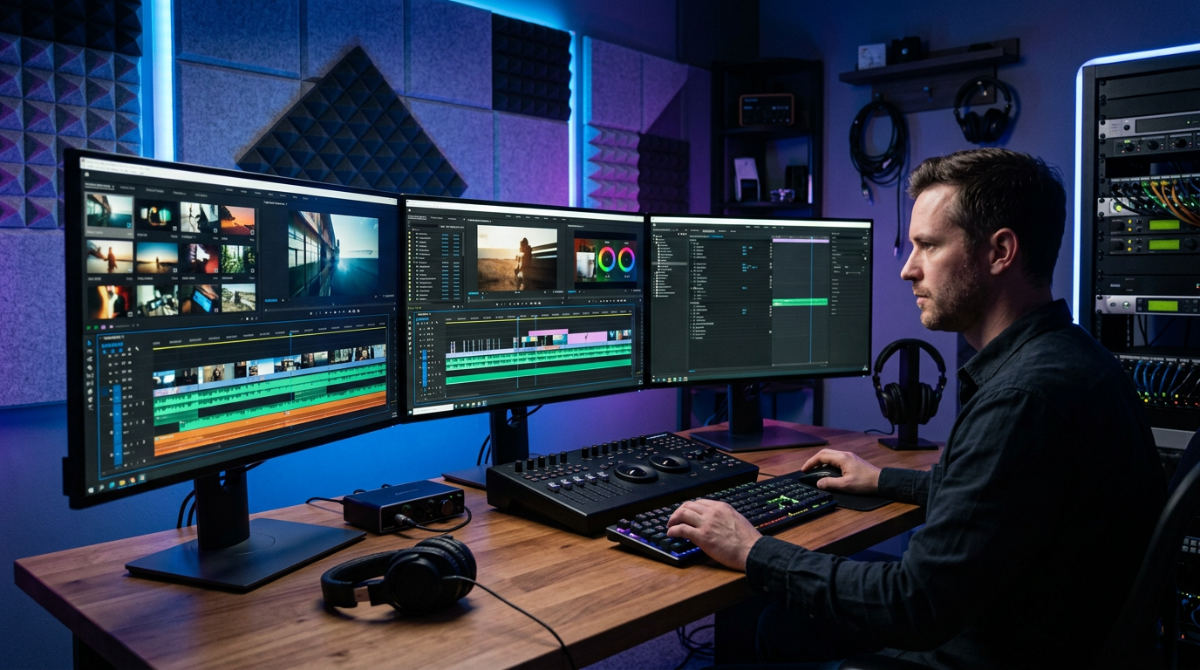
Our approach begins with organization. We ensure every asset is logged and backed up before the creative work begins. Without a rigorous file structure, the creative process can quickly descend into technical chaos. Once the media is secure, Video Editing begins by assembling the best takes into a rough cut that establishes the narrative pacing and flow. This is the process of assembling raw footage into a cohesive story, a core service of Pretzel Logic that ensures the story structure holds up under scrutiny.
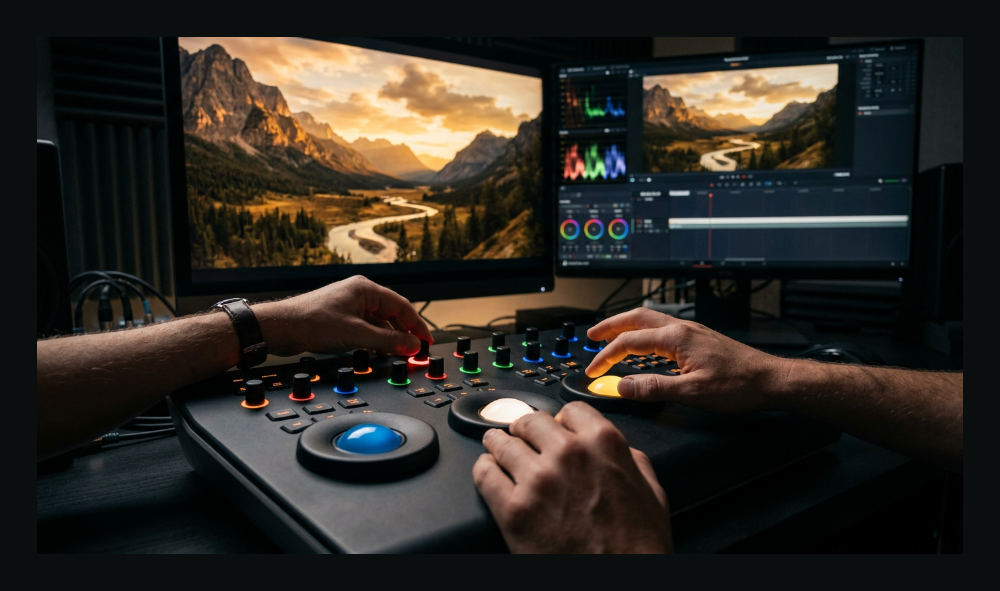
Technical polish follows. Color grading and sound editing ensure the video meets high-end professional standards. High-quality results often rely on professional content production services that ensure the logical framework of a project never stifles its creative soul. This involves balancing the exposure, matching colors across different cameras, and layering in foley or music to drive the viewer’s pulse. The workflow concludes with final exports tailored for diverse platforms. Each platform has its own technical specifications. A truly professional workflow accounts for these nuances from day one.
Comparing Commercial and Feature Post-Production
While both require technical precision, commercial workflows focus more on brand consistency and regulatory compliance. In feature films, the goal is often a single, long-form narrative arc intended for a theatrical or streaming release. Marketing video production emphasizes immediate viewer engagement. You need to capture attention quickly to prevent a skip or a scroll. Branding production requires a specific focus on maintaining the aesthetic integrity of the company while delivering a clear call to action within a short timeframe.
Legal and medical firms require specialized workflows to ensure every claim is visually supported and compliant with industry regulations. This might mean including specific disclaimers or ensuring that visual representations of results are technically accurate. AI Video Production is the use of artificial intelligence to generate or enhance commercial video content during post-production. It is increasingly used in commercial spots to generate rapid variations for A/B testing across different demographics, a practice less common in traditional feature filmmaking.
| Feature | Commercial Post-Production | Feature Film Post-Production |
|---|---|---|
| Typical Timeline | Several weeks | Multiple months |
| Primary Goal | Conversion & Brand Awareness | Narrative Storytelling |
| Asset Variety | Many versions (15s, 30s, 6s) | Single Master Cut |
| Compliance | High (Legal/Medical/Network) | Creative Freedom |
| VFX Focus | Motion Graphics & Branding | World-building & Realism |
When Traditional Post-Production Isn’t Enough
Relying solely on standard edits can result in clinical, dry content that fails to connect emotionally with an audience. If the editing is purely functional, the brand risks being forgotten as soon as the ad ends. We believe ignoring the potential of existing footage is another common mistake. Many brands have "gold" in their archives that can be revitalized with fresh motion graphics, a new color grade, or updated music to fit a current campaign. This revitalization is a hallmark of premium branding video production where older assets gain new life through modern techniques.
Failing to account for the technical standards of tv ad production can lead to costly delays during the network traffic process. Networks have strict "legal" limits for colors and audio loudness. If these are ignored, the spot will be rejected. Without a logical review cycle, projects suffer from "creative drift," where the final product no longer matches the original strategy. Post-production should never be an afterthought. It is the final opportunity to ensure visual consistency across all brand touchpoints. If the result doesn’t have a twist that makes it unique, it is simply noise.
Branding Video Production and the Technical Twist
Motion Graphics (Animation) are digital footage or animation which creates the illusion of motion, used to explain complex brand ideas that live action cannot always capture. Sometimes, a physical camera cannot capture the inner workings of a software platform or the microscopic benefits of a medical device. In these cases, animation bridges the gap. It provides a visual language that is both informative and on-brand. Color grading isn’t just about aesthetics. It is about maintaining the specific color palette of a brand’s identity across every frame, ensuring that your signature blue or red looks identical everywhere.
Sound editing adds the emotional layer that drives consumer action by using custom soundscapes to differentiate a brand from its competitors. A crisp, satisfying "click" or a soaring musical crescendo can do more for brand recall than the script alone. Effective tv commercials production requires a blend of high-level artistry and rigid technical adherence to broadcast specs. We believe even the most logical corporate video deserves a creative spark that makes it feel cinematic. To ensure your digital strategy is as refined as your video content, consider how an Automated Sales Machine can help turn that viewer engagement into a consistent revenue stream.
Refining Your Creative Vision for the Screen
Successful post-production is a collaborative effort between your brand’s logic and our creative expertise. It is the final filter through which your message passes before it reaches the world. Whether you are looking to revitalize old footage or create a new campaign from scratch, the right post-production video editing strategies are essential to ensure your ROI is maximized. High-quality tv advert production depends on this meticulous attention to detail during the final assembly stage.
By integrating emerging technologies like AI video production, we keep your brand at the forefront of visual storytelling while maintaining the human touch that makes a story authentic. Working with a full-service partner ensures that your message remains clear and compelling from the first cut to the final delivery. The goal is always to create a visual story that isn’t just seen, but felt and remembered by your target audience. Every project requires this balance of technical proficiency and narrative heart to truly resonate with viewers.
If you are ready to transform your raw concepts into a polished cinematic reality, we invite you to take the next step. Our team at Pretzel Logic is ready to apply our unique framework to your project, ensuring your brand story is told with the precision and creativity it deserves. To get started, please fill out the form at https://pretzellogicproductions.com/contact-us/.
Frequently asked questions
What are the 5 stages of post-production?
The process begins with logging and organization of raw footage to ensure technical stability. It then proceeds through picture editing (moving from a rough cut to a fine cut), sound design, and visual effects or animation. The final stages include color grading to set the mood and the creation of master exports for various distribution platforms.
Why is post-production so important in film?
It is where the story is actually "found" and refined through the rhythm of editing. Technical polish like sound design and color grading creates the emotional atmosphere necessary for audience connection. It allows for the correction of errors made during filming and the addition of necessary branding elements that make the content commercially viable.
How long does the average movie stay in post-production?
Commercial and brand videos typically remain in post-production for several weeks. In contrast, feature films may spend a significant amount of time in this phase depending on the complexity of their VFX needs. The timeline is heavily dictated by the volume of motion graphics and the speed of the stakeholder approval process.
Do you work with brands across the country for post-production?
Yes, we collaborate with brands nationwide from our base in San Diego using logical workflows. Remote review cycles allow marketing directors in New York or Seattle to provide real-time, frame-accurate feedback on edits. Robust digital infrastructure is standard for professional studios to ensure the reliable delivery of high-quality assets for multi-platform digital campaigns.
How does AI video production impact the post-production timeline?
AI can reduce the time needed for technical tasks like rotoscoping, color matching, and creating basic visual variations for different social platforms. It allows for faster iteration of creative concepts, often shaving days off the traditional editing schedule. While it speeds up technical tasks, human creative vision remains necessary to ensure the brand story remains authentic.