Last updated November 19, 2026
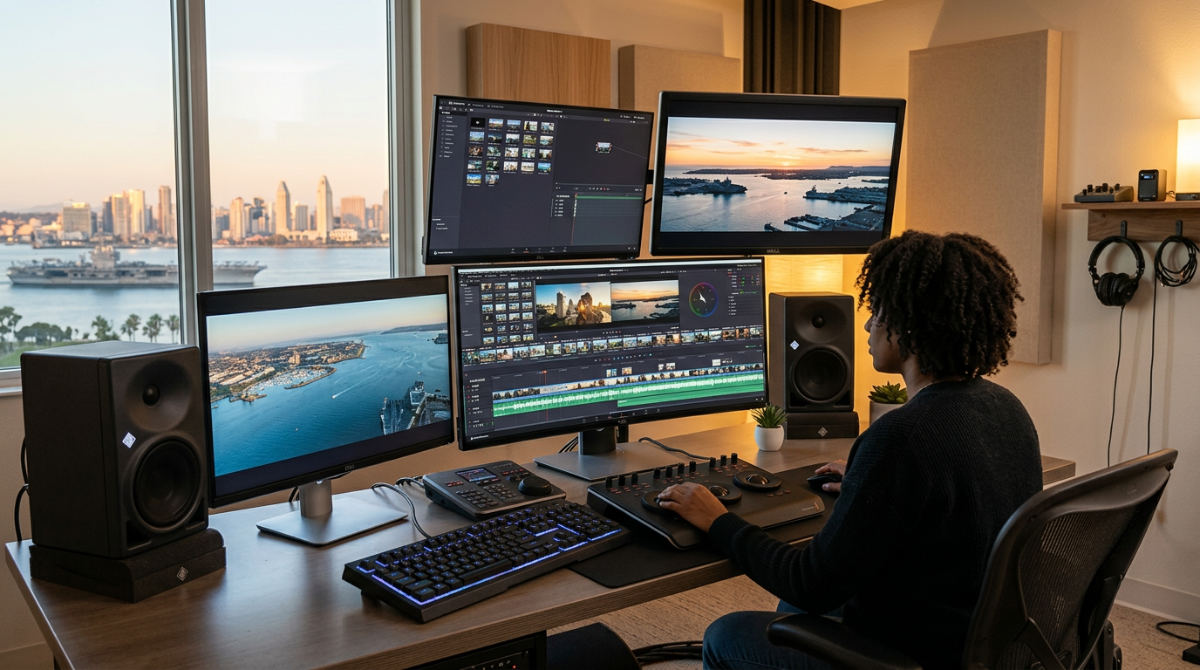
Post-Production is the final major phase of filmmaking where raw footage is transformed into a polished product. At Pretzel Logic Productions, a full-service video production company specializing in logical workflows and creative storytelling, this process follows a logical sequence: ingestion, assembly, rough cut, fine cut, and delivery. We use this order to ensure narrative cohesion and visual excellence for every campaign.
Key takeaways
- Standard timeline. Professional post-production cycles for marketing videos vary in length depending on the specific requirements and complexity of the project.
- Foundational steps. Ingestion and digital asset management are essential for preventing data loss and streamlining the editing workflow.
- Defined stages. The process moves through assembly, rough cut, fine cut, sound mixing, color grading, and final export to ensure quality.
- Industry tools. Professional workflows commonly utilize specialized software like Adobe Premiere Pro for non-linear editing and DaVinci Resolve for specialized color work.
- Broadcast compliance. TV commercial production requires specific technical steps to meet broadcast audio standards that digital-only content does not.
Understanding Post Production Processes for Modern Brands
Post-production represents the third and final stage of the filmmaking journey. The story is truly discovered and refined within the edit suite. While production captures the raw ingredients, this final stage is where those elements are synthesized into a meaningful narrative. At Pretzel Logic, we specialize in logical workflows that take high-level creative twists and ground them in professional technical execution. This balance ensures that the imaginative sparks seen in pre-production are effectively translated into the final file.
The process is not just about cutting clips together. It is the phase where the narrative is refined to ensure a cohesive, engaging, and visually appealing experience. According to the Miracamp Post-Production Guide, post-production is essential for ensuring that the story remains engaging for the target audience. For San Diego businesses and national brands alike, this stage defines the emotional resonance and authority of the final marketing asset. A well-executed edit can turn a simple testimonial into a powerful brand statement. Pacing matters. Poor timing can dilute even the most expensive cinematography. By treating this phase as a creative laboratory rather than a mechanical task, we help brands find the "why" behind their story.
What are the steps in post production?
The post-production process for video consists of a sequence of technical and creative milestones. These steps transform raw files into a finished marketing asset. Each step builds upon the previous one, moving from broad organizational tasks to highly detailed aesthetic refinements.
Logical Rule: Never skip the ingestion phase; proper digital asset management is the only way to prevent losing critical shots during a complex edit.
- Ingestion. This is the foundational step of importing and organizing raw footage into a secure Digital Asset Management system. It ensures every file is backed up and labeled for easy retrieval.
- Assembly Edit. Often called a "string-out," editors create this to see all usable footage in a basic sequence before refining the story.
- Rough Cut. This version establishes the basic pacing and story structure. It lets stakeholders see the narrative flow for the first time.
- Fine Cut. Once the story is approved, the editor focuses on frame-accurate transitions and timing to polish the rhythm of the piece.
- Sound Design and Mixing. This phase enhances immersion by balancing dialogue, environmental effects, and ambient scores to drive emotional engagement.
- Color Grading. Specialized software is used to give the film its specific look, ensuring skin tones are natural while the brand’s aesthetic is consistently maintained.
- Final Delivery. The workflow concludes with exporting various versions for different platforms. This ensures the highest quality for both broadcast and social media.
| Stage | Primary Goal | Focus |
|---|---|---|
| Ingestion | Organization | Data security and file structure |
| Rough Cut | Narrative | Pacing and story arc |
| Fine Cut | Polishing | Frame-accurate transitions |
| Color/Sound | Atmosphere | Emotional resonance and look |
| Delivery | Distribution | Platform-specific technical specs |
How the post-production workflow change for TV commercials compared to web content?
TV commercial production requires strict adherence to broadcast standards. You must hit specific audio loudness levels and legal safety margins for graphics to ensure nothing is cut off on older screens. Unlike social media content, which may prioritize fast-paced transitions and text-heavy overlays, broadcast ads must follow a more rigid technical framework. We serve as a visionary TV commercial production company, managing these technical hurdles so brands can focus on their message rather than regulatory paperwork.
Broadcast Tip: TV commercials must meet industry-regulated audio levels, making professional sound mixing mandatory for broadcast delivery.
Web and social media content often utilizes vertical or square aspect ratios. This necessitates a different approach to framing and composition during the edit. A shot that looks perfect in a 16:9 cinematic ratio might lose its focus when cropped for a smartphone screen. Broadcast ads often require closed captioning files and specific metadata. Digital-only video campaigns usually ignore these steps. This distinction is critical. Failing to meet broadcast delivery specifications can result in a commercial being rejected by the network. That causes costly delays for a brand’s media buy.
Professional Workflow Comparison and Software Standards
Modern post production video editing strategies rely on a combination of high-end tools to achieve a cinematic finish. The choice of software is not just about preference. It is about the specific requirements of the project. For instance, a fast-paced social media ad might prioritize a tool that allows for rapid motion graphics integration. Meanwhile, a high-end food commercial requires deep control over color palettes. I would personally choose DaVinci Resolve for any project where the visual "mood" is the primary selling point.
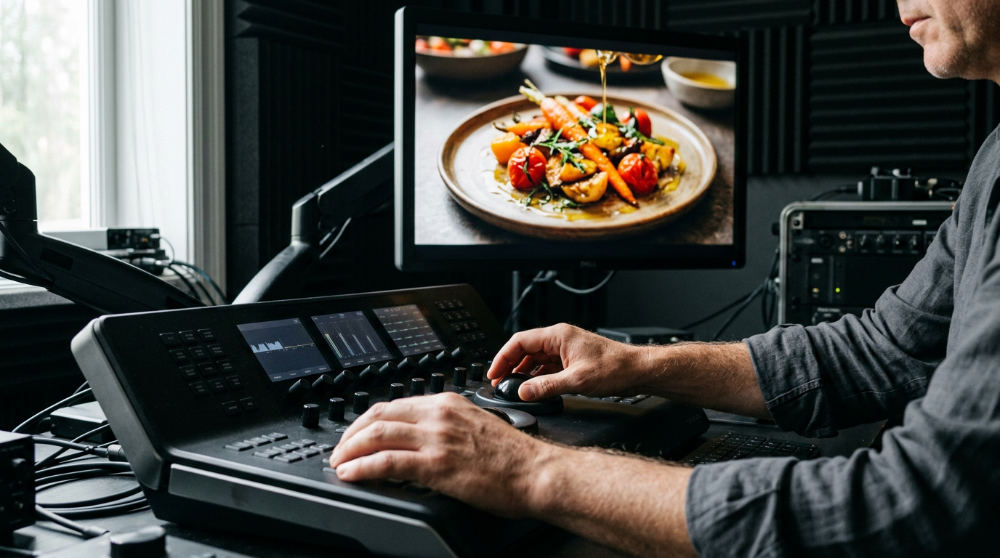
Adobe Premiere Pro is widely utilized as an industry standard for non-linear editing. It offers high levels of integration with motion graphics and emerging AI-driven tools. It allows editors to move fluidly between the timeline and design assets. For more intensive color work, DaVinci Resolve is a common choice for professional colorists to manipulate light and shadow. We find this critical for food styling and restaurant visuals. The warmth of a dish or the texture of an ingredient must be perfectly rendered to be appetizing.
For corporate entities and national brands, secure cloud-based collaboration tools have become vital. These platforms allow for real-time feedback loops between the production house and the brand’s internal team. Stakeholders can leave time-coded comments directly on the video file. This ensures that revisions are precise and efficient. A collaborative approach keeps the project aligned with the brand’s vision from the first assembly to the final export.
What is the average timeline for a marketing video post-production cycle?
The duration of a marketing video post-production cycle varies widely. Complex projects involving high-end VFX can take a significant amount of time. The timeline is heavily influenced by the volume of raw footage, the number of revision rounds, and the complexity of sound design. A project that involves synchronizing multi-camera interviews with custom animation will naturally take longer than a single-shot product demonstration.
Fast-turnaround social ads may be completed in a few days. Conversely, a national TV spot requires weeks for legal clearances, color mastering, and network-specific exports. Efficiency in this cycle is achieved through strict digital asset management. This prevents delays caused by unorganized media or lost files. As noted by WriteSeen, setting a proper foundation during ingestion is the only way to maintain a predictable schedule once the creative editing begins. By following a logical phase-gate process, we ensure that every hour spent in the edit suite contributes to the final goal without unnecessary backtracking.
Can you revitalize existing footage into new branding videos?
Revitalization services allow brands to breathe new life into outdated or legacy footage. We apply modern color grading and updated graphics to give it a fresh feel. This is a cost-effective way to refresh a brand’s visual identity without a completely new shoot. By integrating AI video production techniques, we can upscale lower-resolution assets or create new elements that blend with older footage. This makes the final product look contemporary and intentional. To explore specialized studio space for such projects, you can visit Lightz Out Studios for high-end facility options.
Clinics and firms that offer legal video production services often utilize revitalization to repurpose depositions or site documentations into compelling educational or courtroom content. A law firm might have hours of archive footage that needs to be distilled into a three-minute highlight reel. We add professional titles and clear audio to make it hit home. This approach extends the life of a brand’s investment. It turns forgotten hard drives into fresh, high-impact assets for a new campaign year. We can update a corporate "About Us" video with new branding or clean up historical restaurant footage for a social media campaign. Revitalization ensures your past assets continue to work for your future.
Do you work with brands across the country for post-production?
Yes, we work with brands across the country. We utilize secure cloud-based workflows to collaborate with marketing teams from New York to Los Angeles. While we are a San Diego-based boutique, our reach is national. We serve diverse industries including law firms, restaurants, and corporate tech. Our process remains consistent regardless of location. Every client receives the same logical framework and creative twist that defines our work. Detailed definitions for these terms can be found in the Filmmaker Tools Glossary.
Remote review tools provide a smooth experience. You can see edits in real-time and provide feedback as if you were sitting in the suite with us. This flexibility allows us to handle high-volume Post-Production Services for national agencies while maintaining the personalized touch of a hip, visionary production house.
If you are ready to see how a professional post-production workflow can improve your visual story, we invite you to start your project consultation with us today. Our team is ready to help you bring your creative vision to life with a twist. To get started, please fill out the form at https://pretzellogicproductions.com/contact-us/.