Last updated November 17, 2026
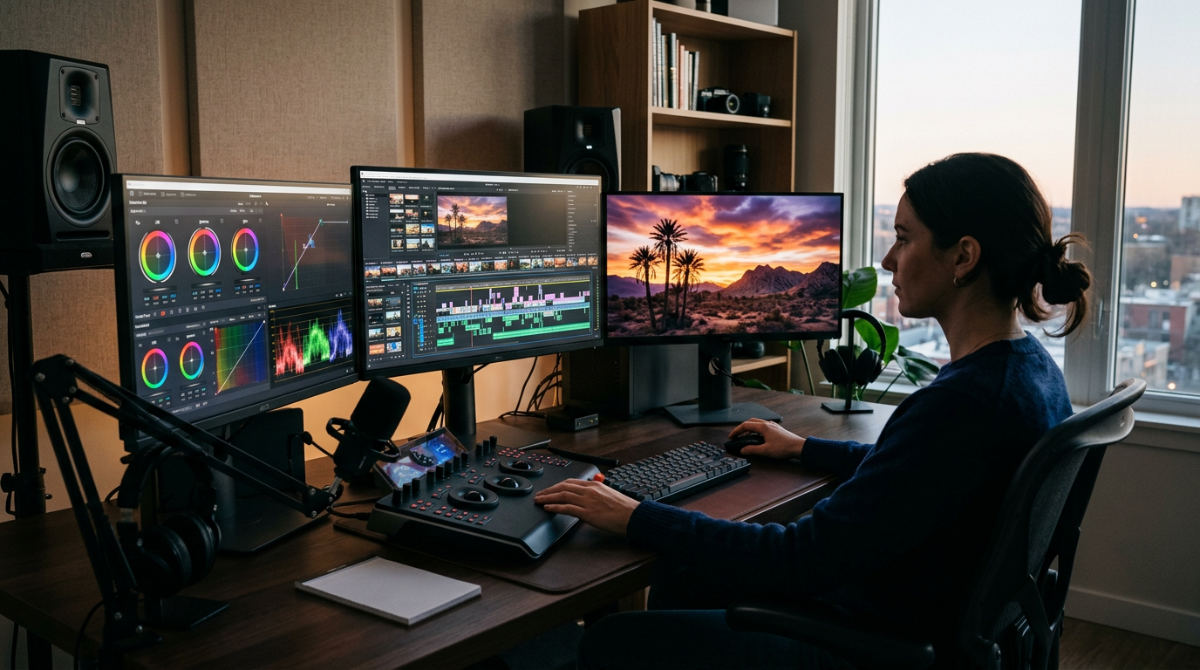
Post-production solutions encompass the technical and creative processes, such as video editing, color grading, and motion graphics, that occur after principal photography. In the modern landscape, a standard workflow typically spans several weeks. This phase transforms raw assets into polished, broadcast-ready content through a structured sequence of assembly, effects, and sound mixing.
Key post-production facts
| Feature | Industry Standard | Pretzel Logic Approach |
|---|---|---|
| Market Growth | 8.5% CAGR through 2031 | Scalable cloud-based remote tools |
| AI Implementation | Task automation | Human-led AI Video Production |
| Core Service | Editing & Grading | The ‘Twist’ Logical Workflow |
| Project Types | Social, Brand, TV | Nationwide Full-Service Delivery |
| Focus Areas | Color, Sound, VFX | Strategic Branding & Marketing |
Key takeaways
- Market Growth. The global post-production market is projected to reach $46.5 billion by 2031, growing at a CAGR of 8.5%.
- AI Integration. Effective workflows integrate AI video production to accelerate rotoscoping and noise reduction without sacrificing human creativity.
- Project Timelines. Post-production timelines vary based on project type, ranging from short social content to complex TV commercials.
- Asset ROI. Revitalization services can extend the ROI of legacy footage by upcycling old assets for modern 9:16 social formats.
- National Reach. Nationwide remote collaboration allows brands across the country to access San Diego-based expertise via cloud-based review tools.
Navigating the Modern Landscape of Post Production Solutions
Post-production is the stage of film and video production that occurs after the principal photography is completed. It focuses on refining the narrative and aesthetic. Think of it as the phase where the raw ingredients filmed on set are seasoned, sliced, and plated into a final product that actually tastes like your brand. At Pretzel Logic Productions, we live by the ‘Twist’ philosophy. We are a full-service video production company based in San Diego serving brands nationwide. Our team merges high-level creative concepts with a steadfast logical workflow to ensure no detail is lost.
Modern solutions must address global trends. The global post-production market was valued at $22 billion in 2021 and is estimated to touch $46.5 billion by 2031 according to ReVerb. As the industry grows at a CAGR of 8.5% during the period 2022-2031, brands are finding that simple cutting is no longer enough. Marketing directors need a partner that can handle the heavy lifting. Selecting Pretzel Logic Productions ensures the technical precision of our visionary post-production workflow matches your specific brand strategy.
How long does post-production take?
Timelines vary significantly. It depends on the complexity of the project and the volume of raw assets. A typical corporate brand story usually requires several weeks. In contrast, high-end television commercials involving extensive visual effects can take significantly longer. The duration is determined by the density of the edit and the number of stakeholders involved in the approval process.
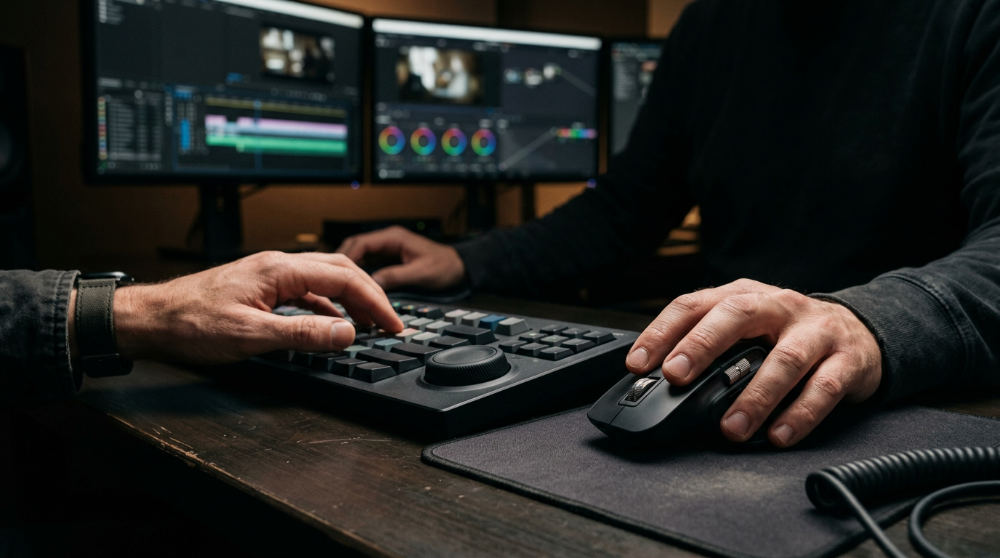
The workflow follows a logical sequence to ensure efficiency:
- Data Ingest. Offloading and backing up all raw files.
- Assembly/Rough Cut. Building the basic story structure.
- Fine Cut. Precise trimming and timing adjustments.
- Color and Sound. Enhancing visuals and balancing audio levels.
- Mastering. Exporting final files for specific platforms.
Social media ads typically feature the fastest turnaround. Corporate brand stories sit in the mid-range of standard project durations. National TV spots are the most intensive. These require significant time to accommodate advanced color grading services and legal clearances. By understanding these ranges, you can better align your campaign launch dates with realistic technical milestones.
Strategic Differences in Branding and Marketing Video Production
Branding video production focuses on long-term emotional resonance and high-level identity. Marketing video production prioritizes immediate lead generation and conversion hooks. Branding edits often use cinematic pacing to build a feeling around a company name. Marketing edits focus on fast-paced delivery to stop the scroll. The creative approach in the edit suite must align with these specific campaign goals to ensure the final assets perform as intended.
Pro Tip: For law firms, post-production should focus on clarity and credibility rather than flashy transitions.
Our specialized services for law firms focus on building credibility through clean, stable edits and clear typography. This ensures the message is authoritative. Work within restaurant verticals relies on sensory-heavy food styling and color enhancement to make every frame look appetizing. Integrating Motion Graphics, which are digital footage or animation which creates the illusion of motion or rotation, is critical for modern branding. It maintains viewer engagement across platforms. A restaurant might use these graphics to highlight a Farm to Table badge, a new seasonal menu, or an upcoming event.
Advanced Techniques from AI Video Production to Motion Graphics
AI Video Production refers to the development of commercials and visual media using artificial intelligence tools to automate labor-intensive tasks. By utilizing artificial intelligence, we can shave hours off the rotoscoping phase. This allows our human editors to focus on the high-level storytelling that a machine simply cannot replicate. These tools are particularly effective for object removal and initial color matching. We use these technologies to speed up delivery without losing the human soul of the narrative.
Motion graphics design adds a layer of sophistication. It allows brands to visualize abstract data or highlight key product features that live action cannot capture alone. While live-action footage provides the soul, motion graphics provide the intellect of a video. Professional color grading services ensure visual consistency across different cameras. Sound mixing balances audio levels to create an immersive auditory experience. By adopting a visionary workflow, teams can utilize these high-tech tools without losing the story that makes a campaign successful.
1. Organize and back up all raw footage assets
Effective organization begins by offloading all media from camera cards to at least two separate secure storage locations. You should never rely on a single drive. Redundancy is the only insurance policy in the digital world.
- Standardized Naming. Label folders using a convention that includes the date, camera roll, and scene numbers.
- Project Mapping. Create a master project file within your editing software, ensuring all metadata from the shoot is correctly mapped for searchability.
- Proxy Creation. For high-resolution files like 6K or 8K, generate lower-resolution "proxies" to ensure the editing software runs smoothly without lag.
- Cloud Archiving. Upload copies to a secure cloud server for off-site protection.
2. Sync audio and create the assembly edit
This step involves aligning high-quality external audio recordings with the visual scratch tracks using timecode or waveform matching. Once synced, you can begin the "assembly," which is the first rough version of your story.
- Radio Edit. Lay out the best takes in chronological order based on the script to create a version that focuses purely on the narrative flow of the dialogue.
- Gap Trimming. Trim excessive gaps to establish a preliminary runtime and identify any holes in the story that might need B-roll coverage.
- Narrative Check. Review the sequence to ensure the logical flow matches the original video production services phase.
- Beat Selection. Identify the musical shifts that will drive the energy of the cut.
3. Apply color grading and motion graphics
Once the "picture is locked," you move into the aesthetic refinement phase. This means no more changes to the timing. This is where the video takes on its professional, cinematic sheen.
- Color Correction. Execute color grading to enhance the mood and ensure skin tones remain natural and consistent across different lighting setups.
- Graphic Integration. Integrate motion graphics and visual effects to clarify complex messaging or add brand-specific flair.
- Final Mastering. Finalize the ‘look’ of the video, ensuring it meets the technical specifications for either web delivery or broadcast television.
Common Pitfalls in Post-Production Workflows
One of the biggest mistakes is failing to define the delivery specs early. This leads to wasted time re-rendering for different aspect ratios. If you don’t know that you need a 9:16 vertical version for social media until the very end, your framing might not work for a vertical crop. Over-relying on AI can also result in an uncanny valley feel if not carefully balanced with human creative oversight. While AI is a tool, it is not the master of the edit. It cannot feel.
Ignoring the revitalization of legacy footage is a missed opportunity. Many brands fail to realize their existing archives can be refreshed for current social trends with new music and modern color treatments. Working with a full-service team like Pretzel Logic Productions helps avoid the communication gaps that occur when jumping between separate editors. By keeping the TV commercial production company and the post-house under one roof, the creative vision stays intact from day one to the final export. We prefer this unified approach because it eliminates the game of "telephone" that kills great ideas.
If you are looking for a partner to help manage this transition from raw assets to a polished campaign, we are here to help. Whether you need a fresh commercial from scratch or want to breathe new life into your existing media, please fill out the form at https://pretzellogicproductions.com/contact-us/ to discuss how we can bring your vision to life with a twist.
Frequently asked questions
Do you work with brands across the country?
Yes, Pretzel Logic Productions provides remote-ready post-production solutions for brands and law firms nationwide. We utilize cloud-based collaboration tools to allow real-time feedback and review regardless of your location. This ensures that a marketing director in New York can collaborate with our San Diego team as if they were in the same room.
What is the difference between tv ad production and web-only video editing?
TV advert production requires strict adherence to broadcast standards, such as specific audio loudness regulations and visual safe zones for text. In contrast, web editing focuses on diverse aspect ratios (9:16 for TikTok, 1:1 for Instagram) and faster "hook" timings to combat short attention spans. TV spots must be technically flawless for air, while web content often prioritizes speed and social relevance.
Can you revitalize existing footage we already have?
We offer revitalization services specifically designed to upcycle legacy assets for modern campaigns. This includes re-editing old footage into new vertical formats and applying modern color grading to match current brand aesthetics. It is a cost-effective way to extend your ROI by making "old" footage feel brand new for current platforms.
What are the main components of post-production?
The core components are video editing, color grading, sound mixing, motion graphics, and visual effects. These steps combine to turn raw shots into a cohesive story. Each phase builds upon the last: editing sets the structure, color sets the mood, and sound creates the emotional atmosphere.
How much do professional post-production services cost?
Costs vary based on project length, the complexity of visual effects, and the number of delivery versions needed. A 30-second spot with heavy CGI will naturally require more resources than a simple talking-head interview. We recommend a consultation to align the scope with your specific marketing or branding goals and ensure your budget is used effectively.