Last updated November 11, 2026
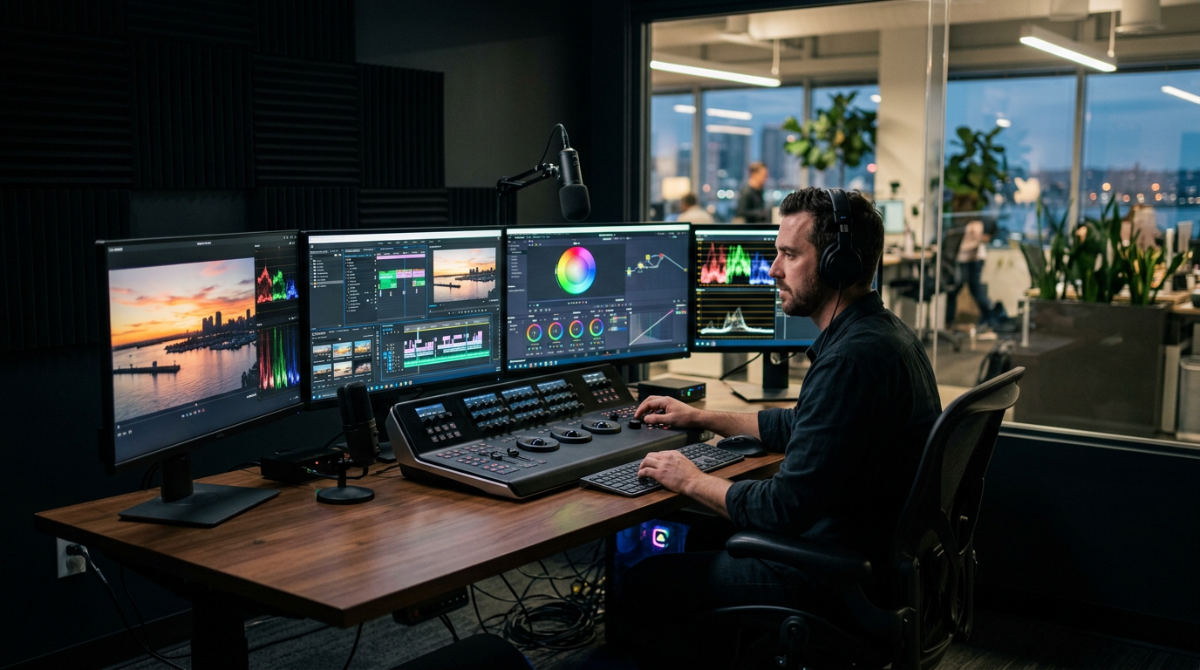
Post-Production is the overarching phase of filmmaking that follows principal photography. This is where raw footage is organized, edited, and refined into a final story. It encompasses video editing, sound design, color grading, and visual effects to transform disparate shots into a cohesive, high-impact marketing or cinematic asset.
Key takeaways
- The Final Draft. Post-production is the stage where the story is truly found and solidified.
- Efficient Timelines. Corporate video post-production follows a structured schedule to meet marketing deadlines.
- Visual Clarity. Motion graphics are essential for explaining complex brand ideas through animation.
- Professional Polish. Sound editing and color grading separate amateur clips from high-end productions.
- Asset Revitalization. Modern workflows allow for the transformation of stale footage into fresh marketing content.
1. Understanding the Final Draft of Filmmaking
In the film industry, we often say that shooting is just shopping for ingredients. The editing process is essentially making the cake. If production is the act of gathering raw materials, post-production is where the craftsmanship happens. It represents the convergence of technical logic and creative artistry to ensure a brand’s message resonates emotionally. Without this phase, you simply have a collection of files. With it, you have a narrative.
Based in San Diego, our team at Pretzel Logic utilizes digital collaboration tools to manage workflows for brands. A marketing director in New York can review cuts and provide feedback in real-time, just as easily as a local client. This phase is critical because it is where pacing, rhythm, and the "twist" of a story are solidified after the cameras stop rolling. We balance organized, logical workflows with unexpected creative hooks that prevent a viewer from scrolling past your content. By the time a project leaves the edit suite, it has been transformed from a series of shots into a strategic asset.
2. The Five Essential Stages of the Post-Production Workflow
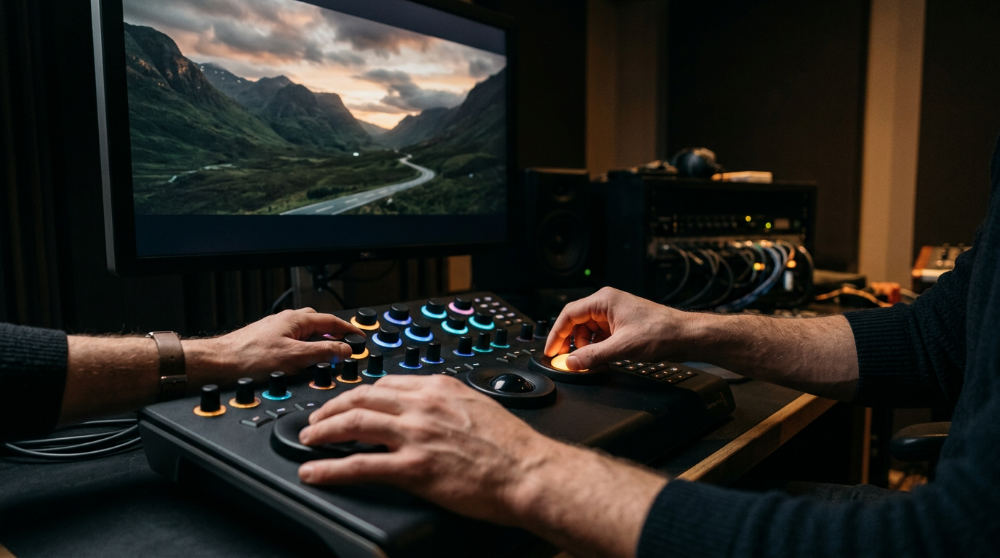
A successful workflow follows a structured path to move from chaos to clarity. The process begins with ingestion and organization. Raw files are backed up, transcoded, and prepared for the editorial team. This logical foundation ensures no "golden moment" is lost in a sea of hard drives. Once organized, the editor moves into the rough cut, focusing entirely on story structure and narrative flow rather than visual perfection. The The Role of Sound and Picture Editing defines how these elements eventually merge into the final cut.
The transition from the rough cut to the final cut is where the video is polished for maximum engagement. During this journey, several specialized layers are added:
- Motion Graphics. These are animated graphic design elements used to explain complex brand ideas that live-action footage cannot convey alone. This often includes typography, iconography, and data visualizations.
- Visual Effects (VFX). This involves imagery created or manipulated outside the context of a live-action shot to enhance the reality of the scene.
- Color Grading. This is the process of altering and enhancing the color of a motion picture or video to create a specific mood or ensure brand consistency.
- Sound Editing. Cleaning up dialogue, adding Foley, and mixing the musical score to drive the emotional beat of the film.
- Exporting. The final stage involves rendering specific delivery files optimized for TV commercials, social media, or internal corporate use.
| Stage | Primary Goal | Key Tasks |
|---|---|---|
| Ingestion | Organization | Data backup, syncing audio, logging footage |
| Editorial | Storytelling | Rough cut, assembly, fine tuning the "twist" |
| Visual Polish | Aesthetics | Color grading, motion graphics, VFX |
| Sound Mix | Clarity/Emotion | Sound design, leveling, music licensing |
| Delivery | Technical Specs | Compression, formatting for social/broadcast |
3. Post-Production vs. Production: A Comparison
Post-production is often more time-intensive than production because it requires meticulous attention to detail over a much longer period. While a film crew might spend a full day on set to capture a few minutes of usable footage, an editor might spend significantly more time refining that same material. This stage is where the pre-production stage is truly tested. If the planning was sound, the edit is a smooth assembly. If the planning was weak, post-production becomes a "fix it in post" rescue mission.
At Pretzel Logic, we use AI-integrated editing tools to bridge the gap between these phases. Studios that utilize these capabilities often speed up standard tasks like transcriptions, initial assemblies, or generating b-roll, allowing the editorial team to focus more on high-level creative decisions. This efficiency means we can spend more time finding that specific creative spark that makes a video memorable. The goal remains the same: balancing the logic of the workflow with the magic of the creative hook.
4. How Long Does Post Production Take?
The timeline for post-production varies based on the complexity of motion graphics and feedback loops. This timeframe accounts for the initial assembly, revisions with the client, and the final technical polish. For smaller social media clips, the turnaround is generally accelerated to meet fast-paced digital demands. A 30-second TV commercial may require a more rigorous, specialized schedule to meet strict broadcast delivery deadlines.
| Project Type | Typical Post-Production Window | Labor Intensity |
|---|---|---|
| Social Media Ad | 1–3 Days | Moderate |
| Corporate Brand Film | 5–14 Days | High |
| TV Commercial | 7–21 Days | Very High |
| 30-Minute Documentary | 4–12 Weeks | Extreme |
For larger projects, such as documentary video production, post-production often accounts for a significant majority of the total labor hours. This is because the story in a documentary is often "found" in the edit suite rather than dictated by a rigid script. Digital media strategies developed by marketing partners rely on these timelines to coordinate multi-channel campaign launches. The schedule must be locked in months in advance to ensure every asset, from the YouTube pre-roll to the television spot, is cohesive.
5. Common Post-Production Mistakes to Avoid
One of the most frequent errors in this phase is skipping the organization stage. When editors jump straight into cutting without properly tagging metadata, the workflow becomes sluggish. Another common mistake is ignoring sound design until the very end. Poor audio quality can ruin even the most beautiful 4K visuals, so dialogue cleanup and ADR (Automated Dialogue Replacement) should be prioritized early. Failing to establish a clear revision limit also leads to "project creep," where the final cut is delayed by endless minor tweaks.
Inconsistent color across different cameras is another technical failure. Without professional color grading, a video looks disjointed and amateurish. Brands often neglect to plan for different aspect ratios, resulting in poorly cropped videos on mobile platforms. Lastly, relying too heavily on "fixing it in post" is a dangerous strategy. While modern software is powerful, it cannot fix out-of-focus footage or missing critical shots. Proper planning ensures that the post-production team has the high-quality assets they need to create a professional result.
6. The Strategic Role of Branding and Revitalization
Marketing video production relies heavily on post-production to integrate logo animations and consistent brand LUTs. This ensures that every piece of content feels like it belongs to the same company. We specialize in the revitalization of existing footage, taking stale assets and upscaling them into high-converting modern content through re-editing and updated motion graphics. This is a cost-effective way for brands to refresh their presence without the need for a full new shoot.
In specialized sectors like the San Diego hospitality scene, post-production is where visual styling is enhanced. An editor can use color grading to make a scene more inviting or use visual effects to clean up a frame. For professionals needing a consistent look across all media, Lightz Out Studios provides headshots to complement visual brand campaigns. By maintaining a logical collaboration between the editor and the client, we ensure the brand’s voice remains clear and the visual quality remains elite.
7. Bringing Your San Diego Vision to Life
The finish is everything, whether you are producing a non-profit documentary or a high-end commercial. At Pretzel Logic, we treat your raw footage as the starting line, not the finish line. We apply a visionary lens to every frame to ensure the final output is not just a video, but a thought-provoking visual story that drives results. Our post-production services cover everything from the first cut to the final color grade.
The standard for video is higher than ever. Viewers can instantly distinguish between a "home movie" and a professional production by the quality of the sound mix and the consistency of the color. Our team takes the ingredients you’ve gathered and uses technical logic to bake them into a final product that captures attention and inspires action. Bring your raw ingredients to our team and let us provide the professional finish your story deserves.
To get started on your next project, fill out the form at https://pretzellogicproductions.com/contact-us/.