Last updated November 13, 2026
A post production audio studio is a specialized facility where sound is edited, mixed, and synchronized with video after filming. This phase includes sound design, ADR, and Foley to ensure clarity and emotional impact. Timelines vary based on the complexity of the commercial or corporate project.
Key takeaways
- Synchronized timing. Audio post-production begins once the picture edit is locked to ensure perfect synchronization.
- Sensory depth. Professional Foley and sound design add sensory depth that visuals alone cannot provide.
- Dialogue clarity. ADR (Automated Dialogue Replacement) is essential for correcting location audio issues in commercial spots.
- Standard timelines. Audio post-production schedules involve dedicated phases for intensive mixing and sound layering.
- Remote capability. Remote collaboration tools allow high-end San Diego studios to serve brands across the country seamlessly.
The Role of a Modern Post Production Audio Studio
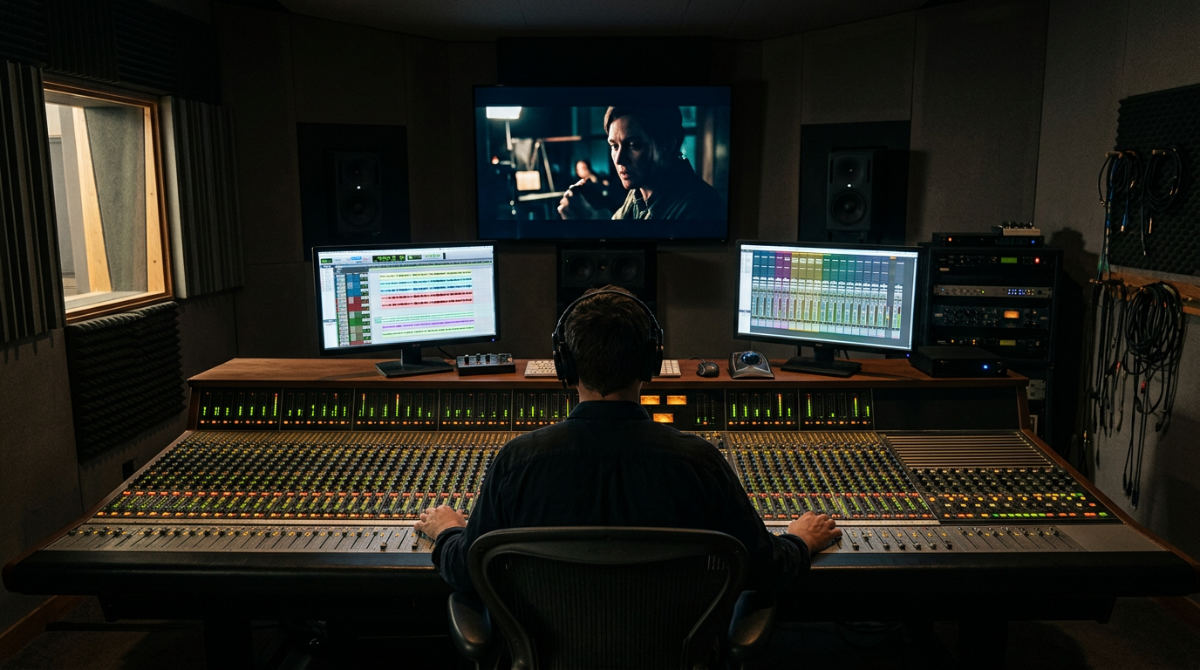
Audio post-production is the art of creating and manipulating sound before locking it to moving pictures. It is how we tell a cohesive story. According to King Soundworks, this phase is essential for aligning audio elements with the visual narrative. At Pretzel Logic Productions, we view the studio as more than a technical room. It is a creative hub. This is where technical precision meets your marketing goals.
The Twist Approach: We use sound design to add unexpected sensory elements that make brand stories more thought-provoking and distinct from the competition.
A professional environment provides controlled acoustics for tasks like normalization. We do this to ensure your volume stays consistent across different platforms. Your message must sound just as clear on a smartphone speaker as it does in a home theater. Modern branding production requires a twist. We look for those unexpected sonic elements that make marketing videos more thought-provoking and memorable. By integrating these creative choices early, we ensure your brand voice is literally and figuratively heard.
Essential Steps in a Post Production Sound Workflow
A standard workflow involves three primary stages: sound cleanup, texture building, and the final mix. The process typically starts with sound editing to organize raw dialogue and location recordings. This acts as the foundation of the audio post-production phase. We make sure every spoken word is free from distracting background noise. Once the dialogue is pristine, we add creative layers. This builds a believable world for the viewer.
Logical Tip: Confirm your picture is finalized before starting deep audio post-production workflows to manage project costs effectively.
Sound design follows. This is the creative art of producing unique sound elements for visual media. Many facilities utilize a dedicated Foley studio to capture specific textures. Foley is the practice of creating everyday sound effects (like the jingle of keys or the rustle of a suit) that are added in post-production to enhance audio quality. Our collaborative approach bridges the gap between your abstract creative vision and the final technical delivery. We want the emotional feel of the sound to match your goals perfectly.
| Stage | Focus | Primary Goal |
|---|---|---|
| Sound Editing | Organization & Cleanup | Removing noise and aligning clips to the timeline. |
| Sound Design | Creative Textures | Building unique sonic identities and atmospheres. |
| Foley | Physical Realism | Recording custom organic sounds like footsteps. |
| Sound Mixing | Balancing & Polish | Adjusting levels and EQ for a cohesive final master. |
Professional Audio vs DIY Solutions
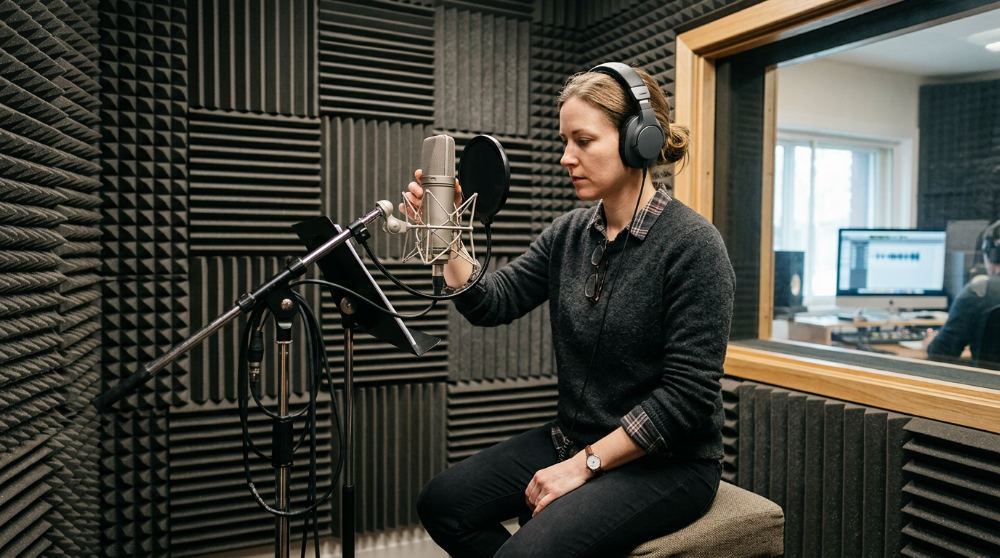
Professional audio solutions provide calibrated monitoring and specialized equipment that home setups cannot replicate. Basic tools exist for home use, but they fall short. A professional post production audio studio offers calibrated monitoring for TV and cinema standards. In a DIY environment, you might miss subtle frequencies. These cause audio to distort on certain devices. Professional studios also provide access to ADR recording. ADR (Automated Dialogue Replacement) is the procedure of re-recording dialogue in a studio setting to improve performance or quality.
If you want a professional TV commercial production company, choose the studio path. Studio mixing ensures your message is audible over background noise on any device. For instance, if you are producing a high-energy food commercial, the sound of a crunch needs to be surgically placed. We do this to trigger a sensory response. This level of detail is rarely achievable without studio-grade equipment and specialized acoustics.
| Feature | Raw Production Audio | Studio Post-Production |
|---|---|---|
| Dialogue | May contain wind/traffic noise | Crystal clear via cleanup or ADR |
| Atmosphere | Flat or inconsistent | Immersive and dynamic |
| Volume | Variable and peaking | Normalized to broadcast standards |
| Impact | Minimal | Emotionally resonant through design |
Do you work with brands across the country?
We do. We collaborate with clients nationwide through high-speed digital pipelines and remote review tools. Our team serves corporate brands across the country from our San Diego hub using a specific remote collaboration process. We make nationwide accessibility possible through high-speed cloud syncing and virtual review sessions. This works for every post-production editing phase. A marketing director in New York can review a mix created in California in real-time. Feedback happens instantly.
Post-production facilities often coordinate with local talent for ADR recording. This hybrid approach works well. Whether you are a law firm on the East Coast or a restaurant group in the Midwest, we maintain consistent technical standards across all state lines. For businesses managing complex logistical data alongside their creative projects, specialized administrative tools can help organize the office side of large-scale productions. We handle the creative output.
Limits and Considerations in Audio Post
Audio post-production cannot fix poorly recorded audio if the original source lacks essential frequencies. Some takes must be re-shot. Others are fully replaced via ADR. While modern tools are powerful, physical limits exist. There is a cap on how much background noise can be removed before the human voice sounds thin or unnatural. Over-processing sound with Integrated AI Audio tools can lead to an uncanny valley effect. Voices start to sound robotic. They need a human ear for balance.
Don’t rush the final mix. Skipping the normalization or final polish phase can lead to rejected files from major TV networks. If you budget only for visuals and neglect the sonic texture, the results look amateur. High-end color grading cannot save bad sound. When choosing a post production studio, look for a partner who prioritizes audio as much as visual aesthetics. It is the only way to ensure a professional result.
How Long Does Post Production Take?
For a standard tv ad production, the audio post-production phase requires a multi-day schedule. This moves from the initial edit to the final master. The timeline includes dialogue editing, sound design, and the final mix review. If the project requires original music composition or extensive Foley work, the schedule shifts. We must accommodate those specialized recording sessions.
Complex tv advert production with heavy sound design or original scoring often requires a more extensive timeline to complete. Pre-production planning is the biggest factor in speed. A well-organized storyboard allows for faster sound spotting and Foley sessions. By mapping out the sonic needs early in our post-production editing services, we move quickly from the picture lock to the final delivery. We never sacrifice the creative twist that defines our work.
Frequently asked questions
What happens in an audio post production studio?
Sound editors clean up dialogue and sync audio to the final picture cut while sound designers and Foley artists create textures that ground the visuals in reality. Finally, mixers balance all elements, including music, voice, and effects, into a final master file that meets broadcast or streaming standards.
Do I need a professional studio for podcast audio mastering?
Professional studios provide specialized noise reduction and normalization that home setups often lack, ensuring a consistent listener experience. High-end mastering helps ensure your podcast meets industry loudness standards, preventing your content from sounding too quiet or distorted compared to others.
Can you revitalize existing footage with new audio post-production?
Yes. We leverage emerging AI tools to revitalize legacy footage by enhancing dialogue clarity and removing background hiss. New sound design and music can refresh the tone and mood of older marketing assets, helping existing footage feel current when paired with modern color grading and fresh audio mastering.
What is the difference between sound editing and sound mixing?
Sound editing focuses on the collection, cleanup, and placement of individual audio clips, such as selecting the best dialogue takes. Sound mixing focuses on the relationship between those clips, adjusting levels, EQ, and spatial positioning to create a final cohesive soundscape that supports the visual story.
How much does audio post production cost for a short film?
Costs vary based on the number of sound layers, the need for original Foley, and the duration of the film. Many production studios in San Diego offer tiered packages based on the complexity of the sound design required. Investing in professional mixing is often the difference between a project feeling indie or cinematic.
If you are ready to see how a logical workflow and creative sound design can transform your next project, fill out the form at https://pretzellogicproductions.com/contact-us/. We invite you to bring your sonic vision to life by requesting a consultation for your upcoming brand story.