
Last updated September 10, 2026
Post-production timelines vary based on the project’s scope, with high-end brand films typically requiring more time than standard corporate videos. The timeline is dictated by a logical workflow including the rough cut, fine cut, color grading, sound mixing, and the complexity of motion graphics or visual effects.
Post-production is the final stage of filmmaking involving editing, sound design, and visual effects where your vision becomes reality. For a standard project, the time to edit a 5 minute video typically involves a significant amount of labor, while high-end projects can take much longer.
Key takeaways
- Standard delivery. A typical 2-minute corporate video requires a structured post-production cycle.
- The 60/40 rule. Dedicate a substantial portion of your total production timeline and budget specifically to the post-production phase.
- Editing ratios. Follow the 1:1:1 rule: one hour of work per finished minute for the rough cut, fine cut, and sound design.
- Feature length. A 90-minute film generally requires approximately 270 hours for a complete professional edit.
- Data overhead. Processing 6K or 8K RAW footage adds significant ingest time compared to using 1080p proxies.
Prerequisites for Post-Production Success
Successful post-production relies on a structured foundation where all digital assets are backed up and organized by scene or date before the first cut begins. Depending on the project, the timeframe can range from a few days for a quick social clip to several weeks for a high-end commercial. You should expect the cost to reflect the intensity of the work, generally accounting for a significant portion of the total video production cost and budgeting.
To execute this phase effectively, you need professional tools and a stable environment. Professional studios typically utilize high-end editing software alongside localized storage for high-bitrate RAW footage to maintain playback stability. Collaborative feedback platforms are also commonly implemented to ensure that stakeholders can review progress in real-time, regardless of their location. Without these prerequisites (specifically organized data and a clear creative brief) the timeline can quickly spiral due to technical friction.
1. Defining the Post-Production Workflow Stages
Post-production is the final stage of filmmaking where the story truly comes together through the integration of editing, sound design, and visual effects. The journey begins with data management, a phase where we ingest RAW footage. This is the unprocessed data from a camera sensor that requires significant handling time and processing power. We view the history and definition of post-production as a roadmap, ensuring every frame we polish serves the narrative intent we established back in pre-production.
At Pretzel Logic, we move beyond standard assembly by merging high-level creative vision with a logical, predictable workflow designed to eliminate the common delays that plague traditional edits. Whether we are working with a local non-profit or a national brand, this philosophy ensures the creative spark isn’t lost in the technical weeds. By following this mastering the post-production workflow, we keep the project moving through the assembly phase without sacrificing the emotional impact of the story.
2. Organize and Ingest all RAW Assets
The first step in a logical workflow is transferring all footage from camera cards to redundant local and cloud storage solutions. In a fast-moving production environment, immediate backups are standard practice to prevent data loss. We organize files by date, camera, and scene so the editor can navigate the library without searching through thousands of generically named files. The shooting ratio, or the amount of footage filmed compared to the final length of the video, dictates how long this takes.
If we are working with heavy 6K or 8K RAW footage, we generate proxies at this stage. Proxies are lower-resolution files that allow the editing software to respond instantly. This prevents the lag that occurs when trying to manipulate massive data files in real-time. This preparation phase may seem like dead time, but it allows the creative work to happen at high speed later on. Proper ingestion ensures our video post-production services remain efficient.
3. Assemble the Rough Cut for Narrative Flow
Once the assets are ready, we place the best takes in sequence to establish the basic story structure and pacing. This is the Rough Cut, the first version of the video where we ensure the narrative arc makes sense. Industry standards suggest it takes approximately one hour of labor per finished minute to reach this stage of the edit. This is the foundation of the video editing timeline.
During this phase, we focus on ensuring the story hits the right emotional beats and deviates from the predictable corporate formula. We present this version to creative leads to confirm the structure is sound before we invest time in detailed polishing. It is much easier to move a scene now than it is after the color and sound have been finalized. Following clear marketing video production steps keeps the team aligned.
4. Refine the Sequence Into a Fine Cut
In the Fine Cut stage, we tighten every transition and finalize the duration of each shot to ensure the pacing is perfect. This is where the video moves toward "picture lock," the point where no further changes to the timing or sequence will be made. Pacing is everything. A three-second delay in a cut can change the entire mood of a scene. This stage helps define the editing hours per minute of video.
To keep this stage efficient, structured feedback loops are utilized to ensure that notes are gathered and applied in consolidated batches. By limiting revision fatigue, we keep the momentum moving toward the finish line rather than getting stuck in a loop of minor, conflicting changes. A clear feedback loop ensures the post-production planning indicators remain accurate for the final deadline.
5. Apply Color Grading and Sound Mixing
After picture lock, we perform the technical pass to ensure color consistency across different lighting conditions and cameras. Color Grading is the technical and creative process of adjusting the color and tone of the footage to achieve a specific cinematic look. Simultaneously, we perform Sound Mixing, which involves balancing dialogue, music, and sound effects for the final output. The sound mixing duration depends on the complexity of the layers involved.
If the project requires Motion Graphics or VFX, these elements are finalized and rendered during this phase. Motion Graphics are animated digital footage used to explain concepts or enhance visual storytelling. Because these tasks are technically demanding, they often run on parallel tracks to the primary edit. Once the visuals are graded and the audio is mastered, the project is ready for final export and delivery to the client’s chosen platforms.
Average Timelines by Project Type
The time required to finish a video varies wildly based on the intended platform and the volume of assets involved. Social media ads often require several days of work, focusing on high-impact Motion Graphics and quick, aggressive cuts that capture attention in a scrolling feed. In contrast, corporate and legal videos typically require a multi-week schedule to allow for the integration of detailed interviews and specific B-roll sequences.
| Project Type | Standard Timeline | Labor Hours | Key Variables |
|---|---|---|---|
| Social Ad | Several Days | 10–20 Hours | Graphics, Text Overlays |
| Corporate Brand Film | Multiple Weeks | 40–80 Hours | Interview count, B-roll volume |
| 3D-Heavy Explainer | Multiple Months | Significant Labor | Animation complexity, VFX rendering |
| Feature Documentary | Several Months | 500+ Hours | Shooting ratio, archival research |
To improve efficiency, many editors take a brand’s existing footage and revitalize it into fresh marketing assets in a fraction of the time required for a new shoot. However, for a feature-length film of 90 minutes, you should plan for approximately 270 hours of labor. This often translates to several months of calendar time once you account for feedback and revisions.
Factors That Influence the Speed of Delivery
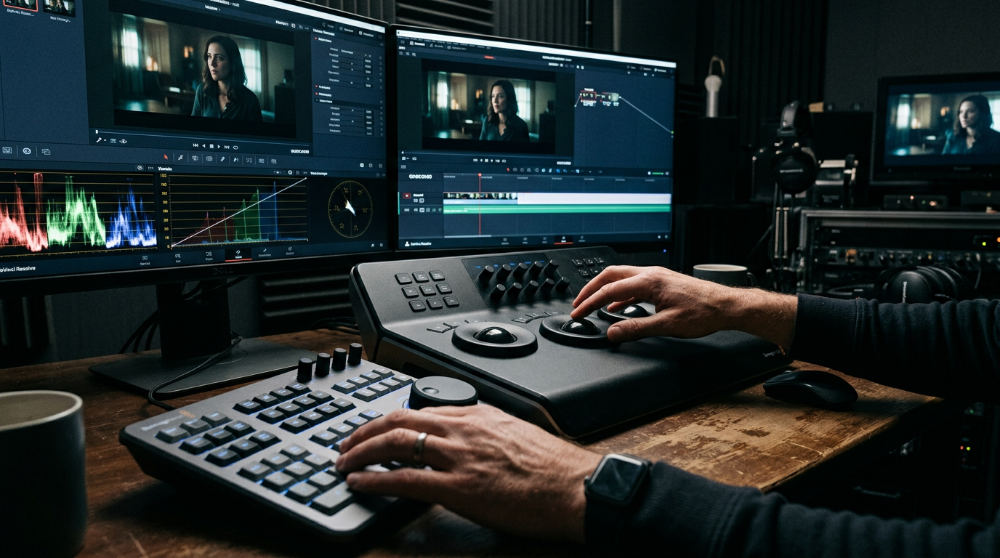
Several technical and creative factors act as the primary drivers of your editing schedule, beginning with the shooting ratio. A higher ratio means the editor must spend more time hunting for the perfect take among hours of raw files. If you are utilizing professional post-production services, the inclusion of custom animation will naturally extend the timeline beyond what is required for simple cuts.
- Color Grading Timeline. This phase requires dedicated time to achieve a specific cinematic look.
- Sound Mixing Duration. This involves balancing dialogue, music, and effects. It is frequently the most overlooked phase in scheduling.
- Data Resolution. Working with 6K or 8K RAW footage requires more processing time for ingestion and rendering than standard 1080p files.
- VFX Integration. Digital imagery integrated with live-action footage must be meticulously tracked and blended, adding layers of review.
Incorporating integrated campaign management helps streamline these stages by ensuring the creative strategy aligns with the technical execution from day one. When the marketing goals are clear, the post-production team spends less time guessing and more time executing the vision. This coordination is essential for maintaining the intended color grading timeline across all assets.
Avoid Common Post-Production Bottlenecks
One of the most frequent mistakes is requesting major structural changes after the Fine Cut stage. Doing so resets the color and sound workflows, effectively doubling the labor for those phases and pushing the delivery date back by a week or more. Another hidden bottleneck is underestimating the time needed for 4K/6K data management. If you haven’t accounted for ingestion and proxy creation, you may find yourself missing the first few days of your scheduled edit.

Over-relying on fragmented feedback loops without a unified decision-maker can also derail a timeline. When three different stakeholders provide contradictory notes, the editor spends more time reconciling opinions than refining the film. By following a structured approach, you can maintain a logical path from the first ingest to the final render.
At Pretzel Logic, we are ready to help you navigate these complexities to bring your visual story to life with precision and flair. If you are planning a campaign and need a partner who understands both the art and the logic of the edit, you can contact us to start your project consultation today.
FAQ
How long does it take to edit a 1-minute video? A professional 1-minute video generally takes a significant number of labor hours to edit, including ingest, rough cut, fine cut, color grading, and audio mastering.
Why does post-production take longer than filming? Filming is the collection of assets, while post-production is the assembly. An editor must review every minute of footage recorded (which can be 20x the final runtime), organize it, and meticulously craft the pacing and tone.
Can you speed up the post-production process? Yes, by using low-resolution proxies, limiting the number of feedback rounds, and having a finalized script before the edit begins, you can significantly reduce the turnaround time.
What is the "picture lock" stage? Picture lock is the point in the workflow where all visual cuts are finalized. Once this is reached, the team moves on to color and sound. Any changes to the edit after this point will usually result in delays and extra costs.