Last updated November 20, 2026
Post-production is the final stage of filmmaking. This is where raw footage transforms into a finished story through editing, sound design, and color grading. In the modern industry, the process typically spans several weeks. It depends on visual complexity. The workflow involves a series of key steps from assembly to final delivery for broadcast or digital use.
| Post-Production Fact | Detail for Decision Makers |
|---|---|
| Standard Timeline | Dependent on project complexity and VFX requirements |
| Core Components | Editing, Color Grading, Sound Design, Mixing, VFX |
| AI Implementation | Used for rotoscoping, sorting, and asset enhancement |
| TV Standards | Strict broadcast constraints for commercial lengths |
| Key Professional Roles | Editor, Sound Designer, Foley Artist, Colorist |
Key takeaways
- Post-production is grammatically correct with a hyphen. While "post production" is a common search variation, the hyphenated compound is the industry standard for the phase where filming ends and editing begins.
- A standard professional workflow consists of several distinct stages. These include Assembly, Sound Design, Music, Mixing, VFX, Color, and Delivery.
- Modern AI Video Production can significantly reduce turnaround time. Artificial intelligence helps automate tedious tasks like rotoscoping and initial footage sorting, allowing more time for creative decision-making.
- TV commercial production requires strict adherence to broadcast standards. Unlike flexible social video lengths, TV spots must fit exact predetermined time windows.
- High-end color grading is essential for brand consistency. Professional grading ensures that colors match your brand identity regardless of the lighting environments or cameras used during the shoot.
1. Define the Correct Spelling and Concept of Post-Production
Post-production is the final stage of filmmaking. It involves editing, sound design, and color grading to prepare a video for its audience. While often searched as two words, post-production is technically a hyphenated compound. It describes the phase where filming ends and editing begins. According to a comprehensive post-production guide by StudioBinder, this stage is where the creative magic happens. It requires a tight team. You need editors, sound designers, and foley artists working in sync. The spelling debate often stems from SEO trends. In professional circles, the hyphen is the mark of a practitioner who knows the craft.
For San Diego businesses, knowing this distinction helps when vetting partners. You want someone who sticks to industry-standard terminology and workflows. We believe the hyphen matters because it signals attention to detail. This phase serves as the bridge between raw creative vision and the final polished asset that represents your brand. Without a structured approach to post-production services, even the best-shot footage feels disjointed. It is the literal assembly of your brand’s narrative. It turns isolated clips into a persuasive story.
2. Understand How Long Does Post Production Take
Post-production for a standard marketing video typically requires a timeframe that allows the project to move from a rough cut to a final approved master. This duration accounts for the meticulous detail required to align visual pacing with brand messaging. TV commercial production often moves faster. This is due to strict airtime deadlines. These spots are sometimes completed on accelerated schedules. They require intensive quality control to meet stringent broadcast standards. This ensures every frame meets technical specs for network distribution.
Factors influencing the timeline include the volume of raw footage, the depth of VFX requirements, and the number of stakeholder feedback loops. A project involving complex 3D animation will naturally take longer than a standard interview-based corporate video. Strategic planning during pre-production can shave days off the edit. If every shot has a clear purpose before the first frame is cut, the team won’t waste time. Searching for a story in the edit suite that wasn’t captured on set is a massive waste of resources.
3. Implement a Modern Post-Production Workflow for San Diego Brands
A professional post-production workflow is the step-by-step sequence of organizing, editing, and polishing footage. It ensures a high-quality final product. By following a logical sequence, production teams move from a messy collection of files to a polished masterpiece. This resonates with audiences. Modern teams in San Diego use cloud-based review tools to keep this process transparent and fast.
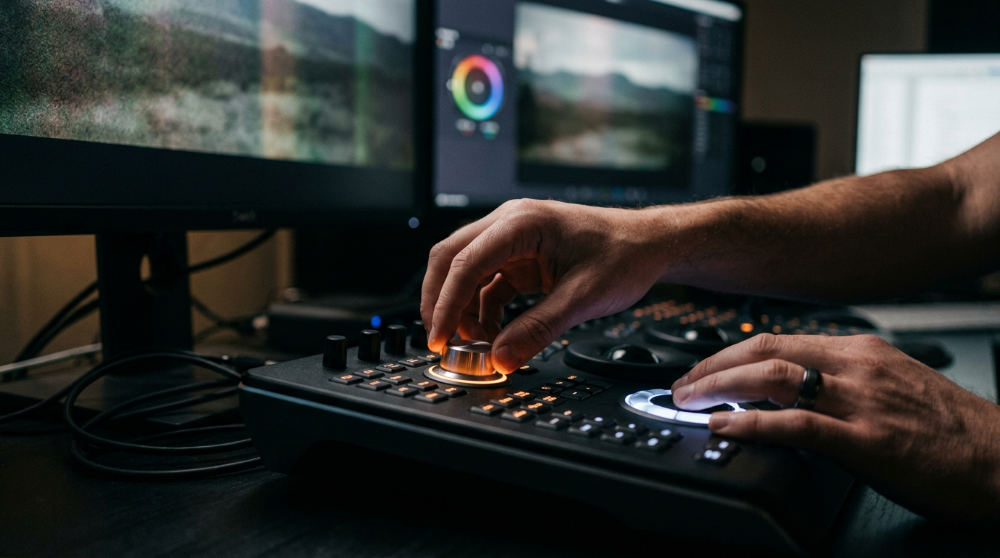
Practical Rule: Always prioritize the ‘Locking of the Picture’ before moving into color and sound to avoid expensive rework later in the process.
- Assembly. The editor organizes the best takes into a rough sequence that mirrors the storyboard logic.
- Sound Design. Incorporating foley artists and sound effects creates an immersive environment. It enhances the visual narrative beyond just the recorded dialogue.
- Music Scoring. We select or compose tracks that evoke the specific emotional "twist" intended for your brand story. This drives the viewer’s response.
- Sound Mixing. This step involves balancing dialogue, music, and effects. It ensures clarity across all playback devices (from mobile phones to theater systems).
- Visual Effects (VFX). Integrating digital enhancements or motion graphics can explain complex data. It elevates the production value of a standard commercial.
- Color Grading. Adjusting light and hue achieves a specific mood. It ensures brand consistency across different scenes.
- Delivery. Exporting the final masters in correct formats is the final step, whether it is for social media, web, or postproduction for a tv commercial.
4. Collaborate with National and Local Branding Partners
Working with a specialized agency allows brands to leverage a professional post production video editing workflow regardless of their physical location. While our headquarters are in San Diego, we partner with marketing agencies and corporate brands nationwide. Geography is no barrier. It doesn’t matter if you are a law firm on the East Coast or a restaurant group in the Midwest. Our remote infrastructure utilizes cloud-based collaboration tools. This allows clients in any time zone to review cuts and provide feedback in real-time.
San Diego Insight: Local brands often benefit from our logical ‘twist’ framework which ensures high-level creative concepts are delivered on time for seasonal campaigns.
We specialize in bridging the gap between national-scale quality and local San Diego collaboration. AI Video Production is the use of artificial intelligence to generate or enhance commercial video content. We use it to streamline every project. This technology allows us to revitalize existing brand footage. We breathe new life into older assets through modern motion graphics and updated color palettes (regardless of where the original footage was filmed).
5. Avoid Common Mistakes in the Post-Production Process
The most common mistake in post-production is underestimating the importance of high-quality audio mixing and sound design. Audiences will often forgive a grainy image. They will immediately dismiss a video with poor audio. High-quality sound mixing is what separates a professional tv advert production from a hobbyist project. If the dialogue is muffled or the music overpowers the speaker, the brand’s message is lost entirely.
- Over-editing. Losing the brand’s "why" in favor of flashy transitions can dilute the core message.
- Ignoring aspect ratios. Failing to plan for different formats like 9:16 or 4:5 during the edit can lead to awkward cropping on mobile-first platforms.
- Skipping the color grade. Without professional color correction, footage from different days or cameras will look inconsistent. This breaks the viewer’s immersion.
- Forgetting the call to action. A video can be visually stunning. If the final delivery doesn’t clearly guide the viewer on what to do next, it fails as a marketing tool.
Modern production also involves the revitalization of existing footage. Many brands sit on hours of high-quality raw files. These just need a modern touch. Through advanced graphic design and updated pacing, these assets can be repurposed for new campaigns. This saves time while maintaining a fresh look. Our team ensures that every piece of marketing video production we handle follows these quality checks. We protect your brand reputation.
If you are ready to transform your raw concepts into a compelling visual narrative, Pretzel Logic is here to help. You can start the process today. Take the first step toward a polished final product and fill out the form at https://pretzellogicproductions.com/contact-us/ to bring your creative vision to life with a twist.
FAQ
What is the post-production stage?
Post-production is the phase of video creation that occurs after filming is complete. It involves editing raw footage, adding sound effects, color grading, and integrating visual effects to create a cohesive story.
Why is the post-production process important?
This process is essential because it is where the narrative is truly shaped. It ensures that the video meets technical standards, aligns with brand identity, and engages the audience emotionally through polished visuals and sound.
How long does post-production take?
The timeline varies based on project complexity. A simple corporate video might take two weeks, while a high-end commercial with extensive VFX and color grading can take six weeks or more.
What are the 7 stages of post-production?
The seven stages generally include Assembly/Rough Cut, Sound Design, Music Scoring, Sound Mixing, Visual Effects (VFX), Color Grading, and Final Delivery/Mastering.
What are the most important elements of post-production?
Editing and sound design are arguably the most critical. While visuals capture attention, clear audio and a well-paced edit are what keep viewers engaged and ensure the brand message is understood.