Last updated November 10, 2026
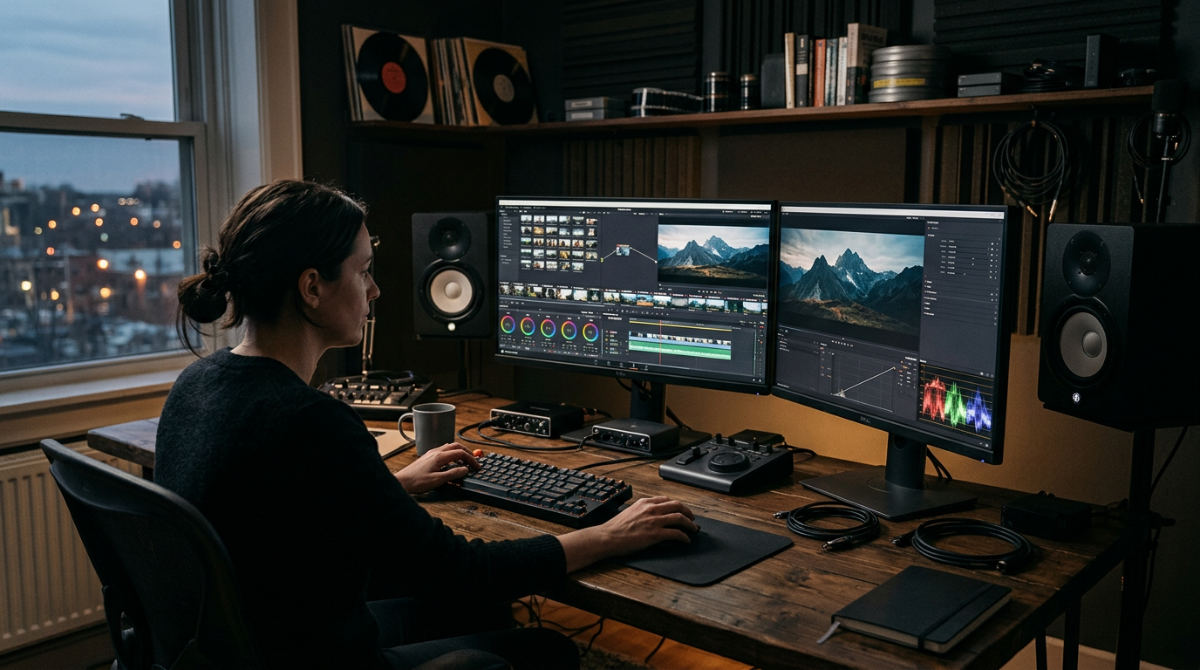
Video editing and post-production represent the final stage of video production where raw footage is assembled, refined, and polished. This comprehensive process involves synchronizing video files with visual effects and sound recordings to create a cohesive final film. The journey typically spans five stages: assembly, rough cut, picture lock, sound mix, and color delivery.
| Stage | Core Objective | Primary Tasks |
|---|---|---|
| Footage Assembly | Organizational foundation | Dailies logging, metadata tagging, syncing audio |
| The Rough Cut | Narrative structure | Story pacing, sequence arrangement, scene selection |
| VFX & Graphics | Visual enhancement | Motion graphics, Adobe After Effects integration |
| Sound Design | Auditory immersion | Foley, dialogue cleanup, musical scoring |
| Color & Export | Final polish | Color correction, grading, multi-platform mastering |
The Strategic Shift from Camera to Timeline
Post-Production is the final stage of video production involving editing, sound, and visual effects to turn raw ideas into finished products. We transition from principal photography—the phase where the movie is actually filmed—to the digital suite. This is where visual storytelling takes priority. The shoot captures the raw ingredients. The edit is where we decide how those ingredients taste together. At Pretzel Logic, we know a logical workflow ensures technical rigor supports the creative vision rather than hindering it.
Modern marketing video production requires a plan that accounts for multiple aspect ratios and platform-specific delivery requirements. You aren’t just making one video. You’re creating a master story with dozens of variations for social media, television, and web headers. We see the most effective projects balance technical discipline with the artistic surprises that make a brand stand out. The best stories emerge when you have a structured plan. It must allow for spontaneous creative breakthroughs during the editing process.
The Evolution of the Edit: From Dailies to Picture Lock
The process begins with organizing dailies and creating an assembly. This is the very first chronological arrangement of usable takes. Once the footage is logged, a rough cut is developed. It is the first version of a film after the assembly where the story begins to take its final shape. Pacing matters here. Editors and directors collaborate to ensure the rhythm aligns with the intended branding video production goals.
During this phase, we often utilize footage revitalization. This involves re-editing existing client assets to blend with new high-definition captures. A restaurant group might have beautiful kitchen footage from two years ago. It just needs a new narrative context and updated graphics to feel fresh again. Reaching picture lock is the critical milestone where no further timing changes are made. This allows sound and color teams to begin their specialized work. We utilize remote review tools to maintain nationwide collaboration. Brands across the US can participate in every revision cycle through frame-accurate feedback platforms. It is efficient. It is transparent. It works.
Enhancing the Narrative with Motion Graphics and VFX
Motion graphics are animated graphic design used to explain complex ideas or enhance brand visuals in a way live-action cannot. Visual Effects (VFX) involve imagery created or manipulated outside the context of a live-action shot. We typically use specialized software like Adobe After Effects for this. These tools allow editors to place actors in environments that do not exist or add high-end stylistic elements that define the visual identity of a modern brand.
For corporate law firms or medical brands, these graphics serve as essential tools. They simplify intricate data for a general audience. A 3D animation of a medical device or a clean call-out graphic for a legal settlement can communicate more in five seconds than a two-minute monologue. Professional video editing services integrate these elements late in the workflow. This ensures they align perfectly with the established pacing. Our team often incorporates AI-enhanced post-production techniques to speed up rotoscoping and element tracking. We maintain a human touch in the creative direction while utilizing modern tools to stay efficient.
The Auditory Layer: Sound Design and Foley
Sound design is the unsung hero of engagement. It provides the emotional cues that tell an audience how to feel. Foley is the reproduction of everyday sound effects added to film in post-production to enhance audio quality. Think of the subtle rustle of clothing or the clear sound of a door closing. Without these layers, a video can feel hollow. It feels "cheap" to the viewer’s subconscious. It lacks the weight required for professional branding.
For tv commercial production, clear dialogue is balanced with ambient layers and a musical score. This creates a professional sheen. Effective audio mixing ensures that your message remains clear across different playback devices. It must sound good on tiny smartphone speakers and high-end home theaters. Effective video editing for better storytelling relies heavily on rhythmic audio cues that drive the visual cuts. A well-timed beat drop or a subtle sound effect can heighten the impact of a visual transition. It makes the brand message feel more visceral and memorable.
Visual Polish through Color Correction and Grading
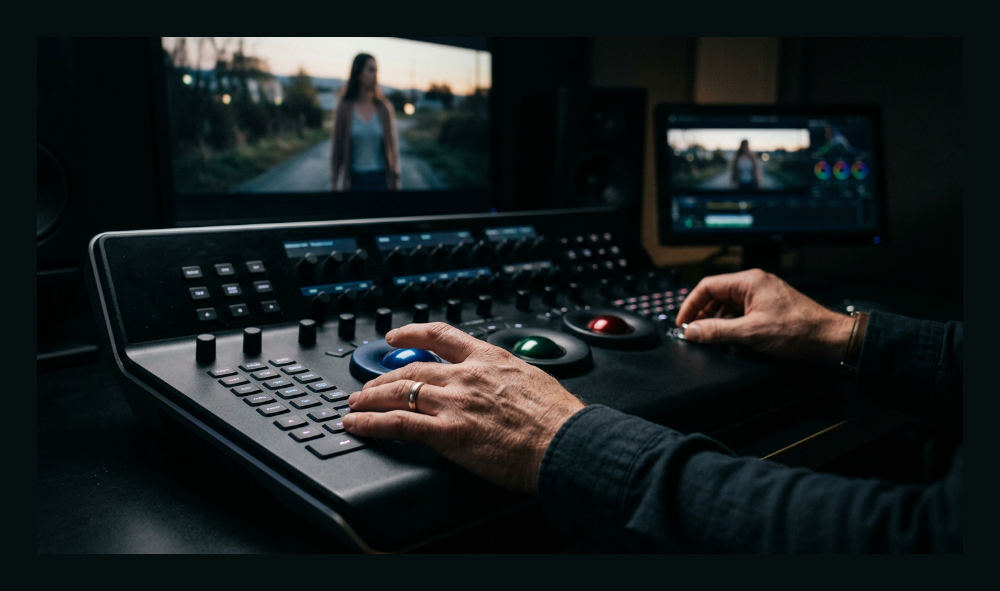
Color correction is a technical procedure. We adjust color to ensure it looks natural and consistent across different shots and lighting conditions. Color grading is an artistic choice. It involves applying a specific look or palette to the film to evoke a specific brand mood. Correction fixes technical mistakes. Grading builds the atmosphere. In marketing video production, consistent color is vital for brand recognition and visual authority.
This stage ensures that skin tones are accurate while the environment reflects the high-end aesthetic expected by modern audiences. A luxury real estate video might use warmer, golden tones to evoke comfort. A tech startup might lean toward cooler, high-contrast blues to signify innovation. We apply these techniques to post-production for TV commercials to ensure every frame meets broadcast standards. It must stand out in a crowded advertising landscape. The right grade can take a project from looking like home video to a cinematic masterpiece.
Navigating Complexity and Common Post-Production Risks
The most common mistake is rushing into the edit without organized metadata. This leads to significant delays. If an editor has to hunt for a specific clip among hundreds of unnamed files, the creative momentum stalls. Do not underestimate the time required for rendering and quality control. This jeopardizes launch dates for time-sensitive campaigns. Every minute of finished video requires hours of processing and meticulous review. We look for glitches or "dead frames" that could ruin the final export.
Failing to account for the specific technical requirements of different social platforms results in awkward crops. You lose visual information. Working with a specialized partner ensures your content follows a professional post-production path. We match the unique aesthetic of social algorithms. However, do not over-rely on automated tools. They strip a video of its soul. The human editor is still the final arbiter of emotional impact. A machine can cut on a beat. Only a human understands why a two-second pause in a testimonial carries more weight than the words themselves.
Technical Demands of the Master File
Post-production can take a variable amount of time depending on the project’s nature and scale. This timeframe includes the necessary steps to render high-resolution assets. We ensure that the video files are synchronized perfectly with visual effects, live effects, and sound recordings. A professional studio must manage these timelines carefully. We avoid bottle-necks during the multi-stage review process. This is where stakeholders provide feedback on both visual and auditory elements.
Technical complexity involves managing massive file sizes and ensuring data redundancy. Losing a project file during the sound design phase could set a production back weeks. Therefore, reliable backup systems and tiered storage solutions are essential. They are as much a part of the workflow as the creative decisions made by the editor. This technical infrastructure allows for the heavy lifting required during the rendering of detailed 3D motion graphics or high-bitrate color grading sessions.
Finalizing Your Cinematic Masterpiece
The final phase involves mastering and exporting the video into the various formats required for TV, web, and internal use. We ensure your 4K master file is properly compressed for a website header without losing clarity. A successful post-production journey results in a product that feels cohesive and intentional. It is unmistakably aligned with your brand identity.
Professional post-production editing services are key to maintaining quality across all your channels. At Pretzel Logic, we believe the edit is where the soul of the project is born. It turns raw moments into a legacy asset. Take the next step in your creative journey. Find a partner who understands the balance of logic and creativity to ensure your message hits home every single time.
If you are ready to bring your next project to life, fill out the form at Pretzel Logic Productions to start a conversation.
Frequently asked questions
What are the 5 stages of post-production?
The process generally moves through several critical phases, including footage organization, the assembly and rough cut stages, achieving picture lock, sound design, and color grading. According to industry guides, these stages ensure the video is synchronized with all visual and audio effects correctly to produce a polished final film.
What is the difference between video editing and post-production?
Video editing is a specific task within the broader umbrella of post-production focused on cutting and arranging shots into a sequence. Post-production is the entire phase occurring after filming, encompassing editing, sound design, VFX, and color grading. It is the comprehensive journey from raw files to a finished, broadcast-ready master file.
How long does post-production take for a standard TV commercial?
The post-production timeline for a TV commercial varies based on the complexity of the project and the level of polish required. Projects involving intricate visual effects or detailed motion graphics naturally require more time to complete. The schedule accounts for multiple rounds of client feedback and technical quality control for broadcast standards.
Do you work with brands across the country for video editing?
Yes, we serve brands nationwide using high-speed remote collaboration tools and cloud-based review platforms. Our workflow allows for real-time feedback and iterative editing regardless of the client’s physical location. We have successfully partnered with national corporations and agencies from our hub, maintaining a strong creative connection through digital project management.
Can you revitalize existing footage we already have?
We specialize in footage revitalization, which involves re-grading, re-editing, and adding modern graphics to legacy assets. This process allows brands to extend the life of their previous investments while updating the look for current standards. It is a cost-effective way to generate new social content or updated corporate explainers without a full new shoot.