Last updated November 9, 2026
Post-production is the definitive "third telling" of your story. It transforms raw visual data into a refined brand asset. You shouldn’t settle for mediocre edits. This guide covers the technical and creative stages, from secure asset logging to final sound mixing, required to produce marketing video production that actually moves the needle.
1. Pretzel Logic revitalizes existing footage to maximize your brand’s current visual assets.
Post-production is the final layer of storytelling. It follows the script and the shoot. At Pretzel Logic, we specialize in revitalizing existing footage. This allows your brand to refresh legacy assets without the overhead of an entirely new shoot. It’s a strategic move. If you have high-quality raw files but need a contemporary aesthetic or updated messaging, this is your path.
Our editors apply a logical collaborator framework. This ensures every cut aligns with your high-level brand strategy. We don’t just move clips around. We bridge technical precision with a visionary creative approach to breathe new life into older assets. By re-evaluating pacing and narrative structure, we help you extract maximum ROI from every frame you already paid for. If you want to update your library, explore our advanced editing solutions to see how we transform dated content into modern brand stories.
2. Begin with secure logging and organization of all digital assets.

Data management is the primary anchor of an organized workflow. Before an editor ever makes the first cut, you must create a redundant backup of all raw footage. Digital assets are fragile. If a drive fails without a mirror, your entire investment vanishes.
Once backed up, organize clips into logical bins based on scene numbers, takes, and metadata. This level of organization facilitates a fast, efficient workflow. The creative team spends their time editing. They don’t spend it hunting for files. During this phase, you must also synchronize external audio recordings with video clips. Using timecode or digital clapboards ensures that every word spoken on camera aligns perfectly with the visual movement. A clean, organized project file is the only way to maintain momentum when handling massive amounts of data required for 4K or 8K commercial deliverables.
3. Develop a ‘Radio Edit’ or rough assembly to test narrative flow.
Ignore the urge to add transitions or fancy effects early on. The goal of a rough assembly, often called a "Radio Edit," is to focus entirely on the story arc. You place the best takes in a logical sequence. Video Editing functions as the core procedure here. It is the process of assembling raw footage into a cohesive narrative structure.
You are testing whether the core concepts of your brand message resonate. This stage allows you to establish pacing and identify structural weaknesses early. If a concept feels sluggish, fix it now. It is much easier to fix it here than after applying complex graphics. Reviewing the rough cut is also the best time to identify gaps in the story that might require pickup shots. By focusing on the logic of the narrative first, you ensure the final product is effective. It should communicate business goals, not just look pretty.
4. Refine the picture edit until you reach a ‘Picture Lock’ state.
Once the general flow is approved, the editor enters the fine cut stage. Every frame is scrutinized. You are looking for the exact moment a smile begins or the precise second a product feature should appear. The ultimate goal is to reach "Picture Lock."
This term means no further changes will be made to the duration of the film. Achieving this state is vital. Specialized departments, like sound mixing and color grading, base their work on the specific timing of the frames. Locking the picture prevents expensive rework. If you change a three-second clip to a four-second clip after the sound has been mixed, the audio will no longer match. This leads to wasted hours. For high-impact commercial shoots, reaching picture lock is the signal that the creative vision is solidified and ready for final polish.
5. Employ a professional colorist for color correction and creative grading.
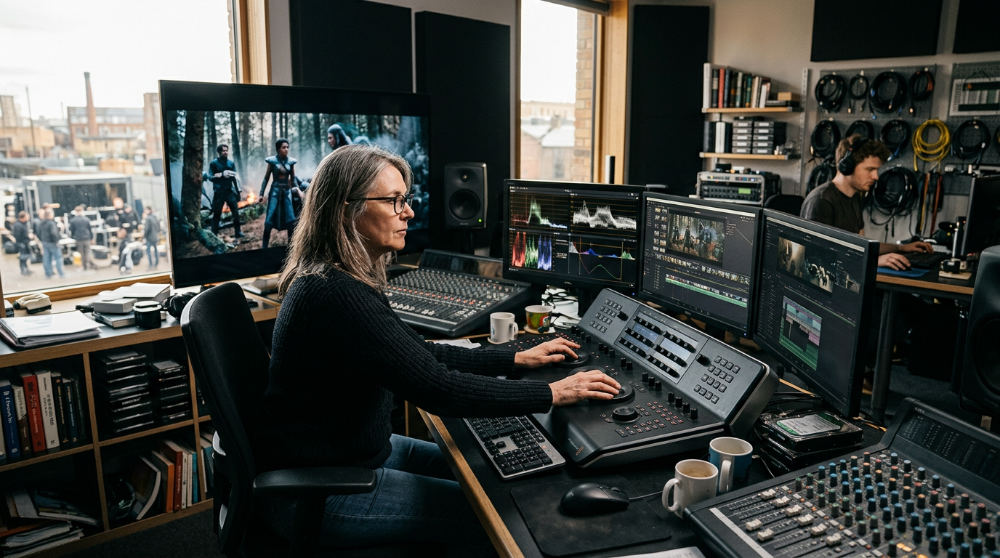
Color serves as the emotional foundation of a video’s visual identity. The colorist is responsible for two distinct tasks: color correction and Color Grading. Color Grading is the creative process of altering and enhancing the color of a motion picture or video. First, you must balance exposure and white balance across different cameras to create a unified look.
Once the technical balance is set, the creative "grade" is applied. This is where you evoke specific emotions. For example, a restaurant might use warm, golden tones to create a welcoming, cozy brand feel. A law firm might prefer cooler, high-contrast tones to project authority and precision. Professional grading ensures visual consistency. Your video will look high-end across all screen types, from monitors to mobile devices. This step separates amateur footage from a cinematic brand asset.
6. Integrate Visual Effects (VFX) and compositing to solve production limitations.
Visual Effects (VFX) provide imagery created or manipulated for any film that cannot take place during live-action shooting. In modern marketing, you can use matte painters and compositors to add environments or corporate logos that were not present on set. This allows for a level of brand integration that might have been physically impossible during the shoot.
Beyond adding elements, VFX is frequently used for "cleanup" work. This involves removing unwanted objects like boom mics or distracting background signs through digital manipulation. You can also incorporate specialized artists to isolate subjects from their backgrounds. This isolation is crucial for complex, layered visual storytelling. It lets you place text behind a moving person or create stylized transitions. These digital enhancements ensure the viewer’s eye is always focused on your message.
7. Utilize Foley artists to recreate organic, immersive sound textures.
Great sound is half of the viewing experience. It is often overlooked. To create a truly professional feel, you should utilize Foley artists to recreate organic sound textures. These specialists perform Foley, which is the reproduction of everyday sound effects added to films to enhance audio quality.
Layering these sounds adds a tactile, high-quality feel that location microphones miss. Location mics capture dialogue. They often fail to pick up the subtle environmental cues that make a scene feel "real." When these human-made sounds are synced with the on-screen action, they deepen audience immersion. Even a simple 30-second commercial benefits from this attention to detail. It creates a sensory richness that subconsciously builds trust with the viewer.
8. Record Automated Dialogue Replacement (ADR) for crystal-clear narration.
Automated Dialogue Replacement (ADR) is the procedure of re-recording dialogue by the original actor after filming to improve audio quality. During this stage, you bring voice talent back into a controlled studio environment. You re-record lines that were muddied by location noise, wind, or equipment issues.
It is essential to ensure the new performance matches the original lip movements perfectly. Beyond fixing errors, ADR offers a strategic opportunity to adjust the tone of a message. If the original delivery feels off-brand during the final edit, fix it here. This process allows for total sonic control. It ensures every word of your script is delivered with clarity. By refining the vocal performance in a dedicated booth, you remove distractions. You focus the audience entirely on the narrative.
9. Execute a final sound mix to balance dialogue, music, and effects.
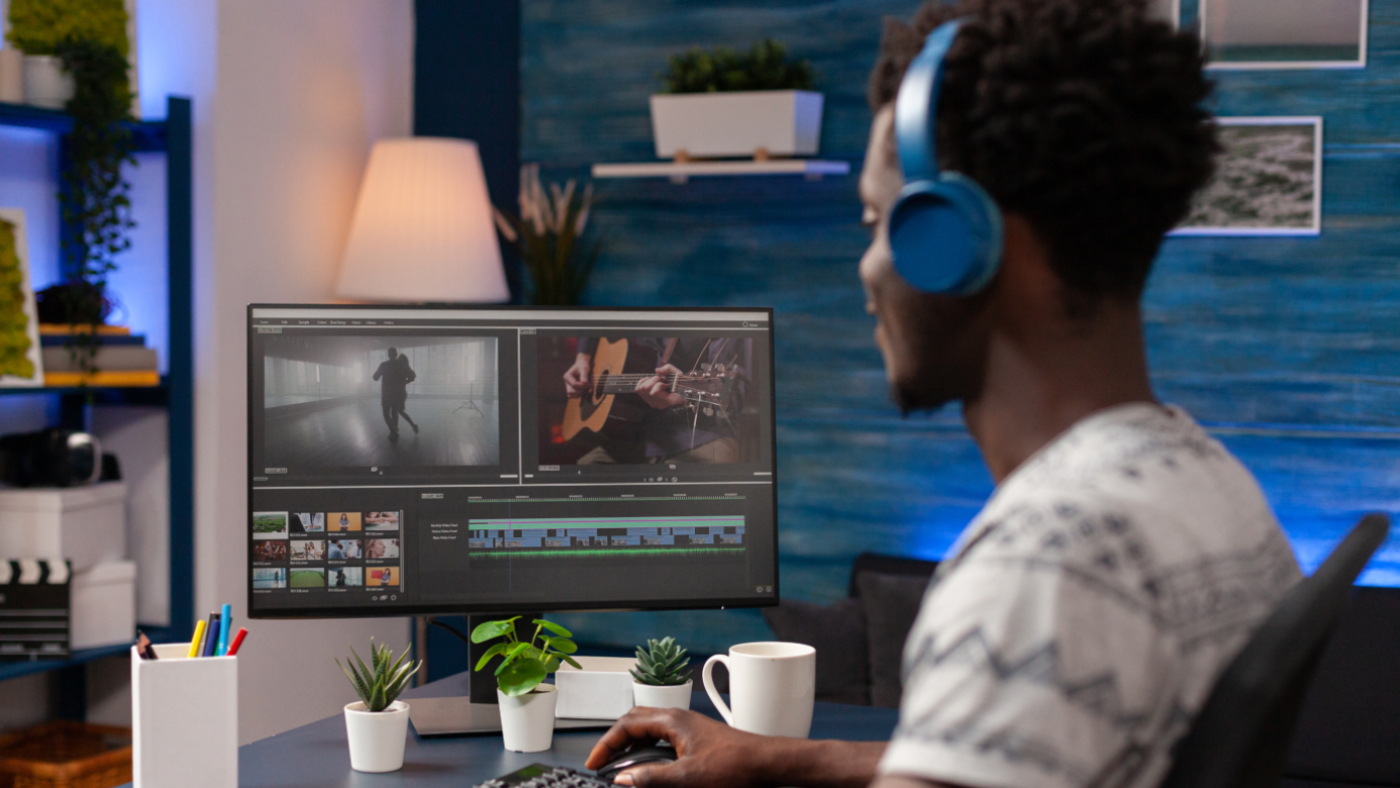
Image source: videomaker.com
Sound Mixing represents the stage where all audio elements are balanced for the final output. A professional mixer adjusts volume levels. They ensure a musical score never overpowers the key spoken messaging or brand slogans. This process involves creating a spatial feel that guides the listener’s attention to the most important audio cues.
It is also necessary to ensure audio levels meet industry standards, such as LUFS. This avoids playback issues on digital streaming platforms or television. This step provides the polish that makes a video feel professional across different hardware. Whether a viewer is watching on a phone or a home theater, a proper mix ensures the dialogue remains crisp. If you need professional assistance, you can learn about sound stages from Lightz Out Studios to ensure your recording environment is optimal.
10. Design custom motion graphics and titles for brand recognition.
Motion graphics serve as the visual connective tissue that reinforces corporate authority. You can use these elements to add lower-thirds that identify speakers. They also create animated typography that highlights key statistics and unique product features.
These visual aids are especially important in commercial spots where viewers may be watching without sound. Designing custom end-card graphics with clear call-to-action prompts is essential for driving viewer engagement. By aligning the font, color palette, and animation style with your existing identity, you ensure every frame feels like an extension of your brand. These graphical overlays transform a simple video into a sophisticated marketing asset. It looks polished. It stays on-message.
11. Generate final deliverables optimized for specific distribution channels.
Exporting is the concluding phase where multiple versions are generated to maximize reach. For example, you should generate 16:9 versions for YouTube alongside 9:16 vertical versions for Instagram Reels. You must also embed closed captions and relevant metadata to improve SEO.
Before the final handoff, performing a rigorous Quality Control check is mandatory. Ensure no technical glitches, dead pixels, or audio pops exist in the master delivery file. This attention to detail ensures the content performs perfectly across all devices and social platforms. By tailoring the technical specifications of each file to its intended destination, you ensure the highest possible quality for your audience.
What does post-production entail in filmmaking?
Post-production is the phase where raw footage is edited, color-corrected, and enhanced with sound and visual effects to create a finished film. This stage typically involves at least six distinct steps, including logging assets, narrative editing, sound mixing, and final color grading.
| Phase | Primary Goal |
|---|---|
| Picture Edit | Establish story and pacing |
| Sound Mix | Balance dialogue and music |
| Color Grade | Create visual consistency |
| Delivery | Export for specific platforms |
How long does post-production typically take for a commercial?
Post-production for a commercial varies based on the complexity of visual effects and the required revision cycles. The timeline includes dedicated phases for the initial edit, sound design, and final color adjustments to ensure a polished result.
| Content Type | Average Timeline |
|---|---|
| Social Ad | 1-2 Weeks |
| 30s Commercial | 2-4 Weeks |
| Corporate Documentary | Project Dependent |
Do you work with brands across the country or just in San Diego?
We provide services for brands nationwide, utilizing cloud-based collaboration tools to manage projects for clients outside of Southern California. Our team handles everything from local restaurant shoots to large-scale national branding production for corporate clients across various time zones.
| Service Area | Delivery Method |
|---|---|
| San Diego | In-person and Remote |
| National | Remote / Cloud Workflow |
| International | Specialized Consulting |
What is the difference between sound editing and sound mixing?
Sound editing involves collecting and placing individual audio clips like dialogue and foley, while sound mixing is the process of balancing those levels for a final master. Editing focuses on the content of the audio, whereas mixing focuses on the volume and spatial quality.
| Task | Sound Editing | Sound Mixing |
|---|---|---|
| Focus | Selecting and placing clips | Volume and frequency balance |
| Output | Prepared audio tracks | Final stereo or surround file |
How does a professional post-production workflow improve brand video ROI?
A structured workflow improves ROI by ensuring the final product meets broadcast standards and effectively captures audience attention through high-quality pacing and color. Videos that look and sound professional see higher retention rates, leading to better conversion metrics for marketing campaigns.
| ROI Driver | Impact on Brand |
|---|---|
| High Polish | Increased brand trust |
| Proper Pacing | Better audience retention |
| Multi-platform | Wider audience reach |
How to Prepare for a Smooth Post-Production Workflow
Success in the editing suite begins long before the cameras stop rolling. Pre-production planning is the most effective way to streamline the later stages. Having a clear storyboard reduces the number of revisions needed during the technical edit. When you define your "Picture Lock" date early in the schedule, you ensure that specialized departments like colorists and sound mixers have adequate time to perform their work.
Organization is critical. You should maintain a logical arrangement of assets from day one, using cloud-based tools for collaboration if your creative team is remote. This prevents the loss of valuable metadata. It ensures the editor can find specific takes instantly.
At Pretzel Logic, we use our AI Video Production capabilities to integrate efficiency into the workflow. This ensures faster turnarounds without sacrificing the cinematic quality your brand requires. This technology allows us to handle repetitive tasks quickly. We leave more room for creative storytelling. We believe in the twist that makes your story unique.
Measuring Success in the Editing Suite
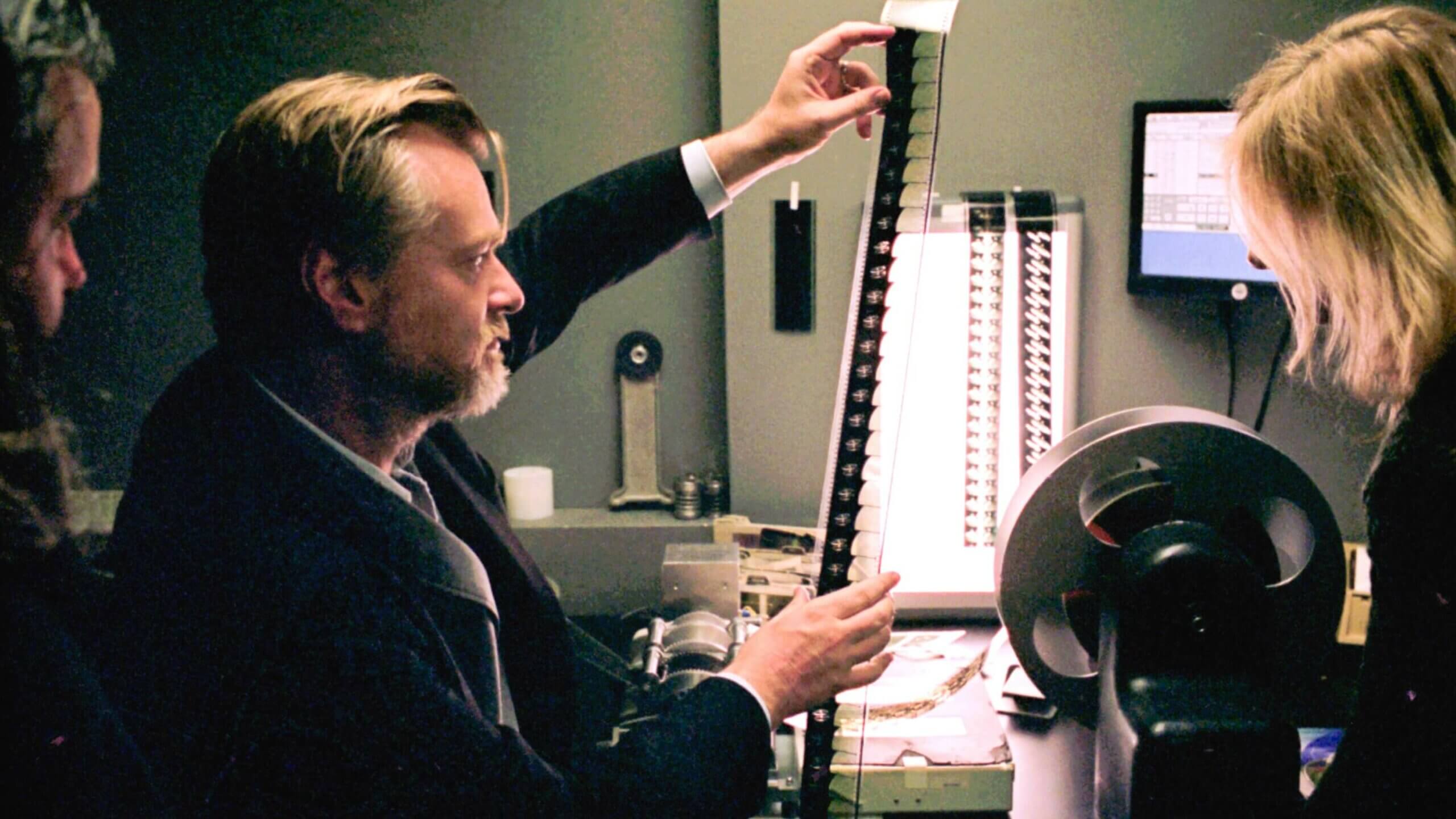
Image source: studiobinder.com
The ultimate test of any post-production phase is how the final asset performs. You should track audience retention rates using platform analytics. If viewers drop off during the first 5 seconds, the pacing of the edit likely needs adjustment. Monitoring engagement metrics across different aspect ratios will also reveal which distribution format performs best for your specific demographic. This data lets you refine your strategy for future campaigns.
Use brand sentiment analysis to ensure the creative color grading and sound design are resonating. If a video intended to be welcoming feels too cold due to a blue-heavy color grade, the feedback will show up in user comments. When you are ready to transform your raw footage into a cinematic narrative, our team is here to help you navigate these complex steps. We focus on bridging the gap between high-level brand strategy and technical editing precision. Every frame must serve your bottom line.
Check out our professional video editing services or learn more about tv commercial production. A structured approach ensures your brand stays ahead. If you are handling smaller projects, you can even explore tips for customizing content for social media to maintain a basic level of polish.
To start your next high-impact visual project and ensure your story is told with professional precision, fill out the form at our contact page today.