
Last updated September 12, 2026
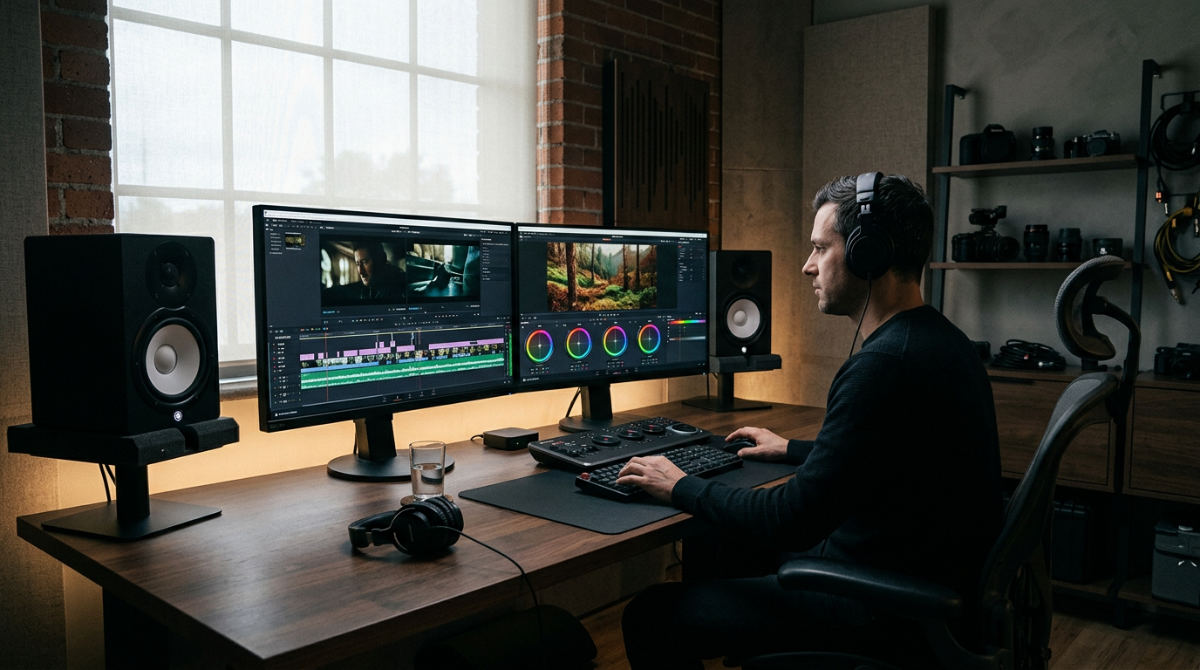
Post production companies provide specialized creative and technical services including video editing, color grading, sound design, and motion graphics. These firms transform raw footage into a polished final product, ensuring high-quality delivery for commercials, corporate films, and digital content across global broadcast and streaming platforms.
Key takeaways
- Full-service post houses integrate sound, color, and VFX for a unified creative vision.
- Boutique studios offer specialized creative attention compared to massive conglomerate facilities.
- Motion graphics are essential for explaining complex brand concepts through digital animation.
- Logical workflows are the backbone of creative storytelling, ensuring projects stay on budget and schedule.
- Post-production can revitalize legacy footage, providing a sustainable alternative to new shoots.
Understanding the Scope of Post Production Companies
Post production companies act as the final architectural phase of filmmaking, managing the transition from raw footage to a finished master through a series of technical and creative milestones. They serve as the central hub for asset management. Every frame captured on set must be optimized for its final medium. A full service post production house manages the entire journey from raw dailies to final delivery, ensuring every frame aligns with the brand’s emotional goals. Dailies refer to the raw, unedited footage shot during the making of a motion picture. This material must be logged and backed up before the creative edit begins.
Practical rule: Always prioritize the logical workflow; even the most creative vision will fail if the file management and delivery pipeline are disorganized.
Major hubs like Harbor Picture Company and Ajax Creative prove that integrated services under one roof provide better quality control. At Pretzel Logic, we focus on balancing logical workflows with high-concept creative subversion. We work to prevent projects from feeling generic. By treating the technical stage as a creative extension of the shoot, we ensure the final output feels intentional rather than manufactured. Our comprehensive post-production services are built on this balance, providing the structure needed for high-stakes campaigns without sacrificing artistic flair.
Core Services of Professional Post Houses
Professional post houses provide an integrated suite of technical departments, including editorial, color, and sound, to ensure a cohesive final product. These facilities employ specialists who use high-end hardware to handle massive data rates and complex rendering tasks. Standard office computers cannot manage these loads. By centralizing these tasks, a studio ensures that the visual style established in the edit is perfectly complemented by the final sound mix and color pass.
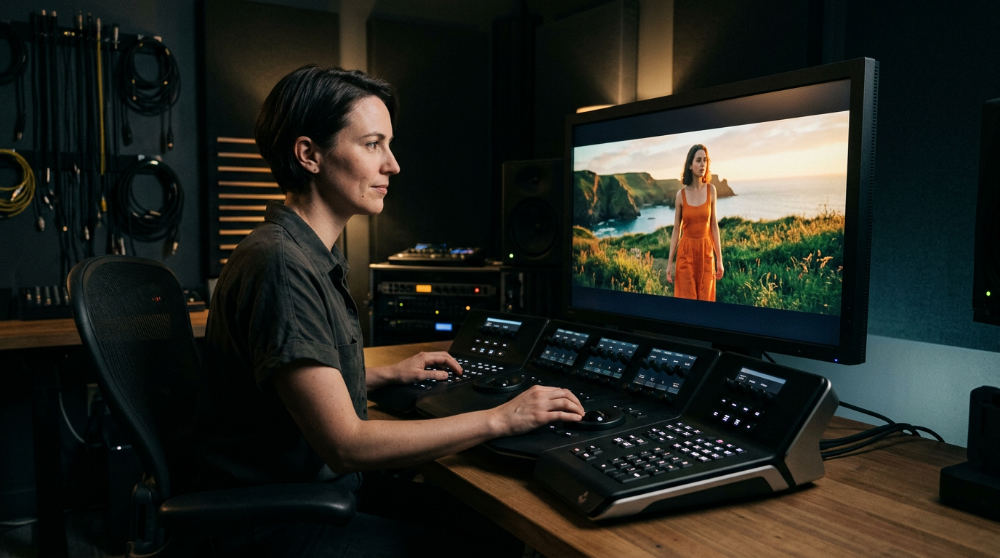
Professional video editing services focus on pacing and rhythm to drive the viewer’s emotional response. Editors turn hours of raw footage into a tight, compelling narrative. Beyond the cut, color grading (or color correction) acts as a psychological tool. It is the process of altering and enhancing the color of a motion picture or video to create a specific mood. We might choose warmth for a lifestyle brand or clinical precision for medical tech. Leading post-production facilities typically integrate sound architecture, which involves mixing, cleaning, and enhancing audio to ensure professional immersion.
| Service | Primary Function | Business Outcome |
|---|---|---|
| Video Editing | Narrative assembly and pacing | Clear storytelling and engagement |
| Color Grading | Aesthetic and psychological tone | Brand consistency and professional "look" |
| Motion Graphics | Digital animation and data visualization | Simplification of complex concepts |
| VFX | Image manipulation and enhancement | High-impact visuals impossible to film |
| Sound Post | Audio cleaning and scoring | Professionalism and emotional immersion |
Motion Graphics are digital footage or animation which creates the illusion of motion or rotation. These are usually combined with audio for multimedia projects and brand logos. Visual Effects (VFX) represent the process by which imagery is created or manipulated outside the context of a live-action shot. This is essential for high-budget commercial work where practical effects may be too costly or dangerous. Whether it is removing a stray reflection or building an entire digital world, these tools allow a modern video editing services provider to push the boundaries of reality for your campaign.
Boutique Creative Studios vs. Global Conglomerates
The choice between a boutique shop and a conglomerate depends on the scale of the assets and the level of personalized creative direction required. While large facilities offer massive throughput, boutique studios often provide a dedicated lead artist who stays with the project from the first cut to the final export. This ensures that the original creative intent is not diluted. The project does not get lost as it moves between different departments like sound or color.
Large-scale entities like Warner Bros. Post Production offer massive infrastructure. They may lack the personalized touch of a boutique firm. These facilities are built to handle massive Hollywood blockbusters. Similarly, global technology leaders like Technicolor Group set global standards. However, they often cater to major motion pictures rather than localized brand growth.
Watch out: Massive post houses offer scale, but ensure your project doesn’t get lost in the shuffle of high-volume studio contracts.
Boutique houses prioritize collaboration. We allow brand managers direct access to the lead editor and colorist. This proximity often leads to more innovative outcomes. The creative team is deeply invested in the specific goals of the client. In San Diego, we find that our partners prefer the agility of a smaller team that can pivot quickly. While conglomerates provide deep archival resources and high-volume capacity, boutique firms often offer faster pivot times and lower overhead. This makes them a more efficient choice for targeted brand campaigns.
Comparison: Project Needs and Studio Fit
Different project types require specific technical expertise, ranging from high-speed commercial workflows to long-form corporate storytelling that demands deep archival knowledge. A studio that excels at 15-second social media ads may not have the infrastructure for a 90-minute documentary. Identifying the specific output requirements early in the process prevents costly technical errors. You do not want surprises during the final delivery phase.
Commercial post production is best suited for fast-turnaround, high-impact social and broadcast ads. These require precise color and sound. Such projects often need a high degree of "polish" in a very short window. Conversely, Corporate and Legal projects require specialized workflows for compliance and narrative clarity. Many brands are now looking toward footage revitalization, transforming legacy assets into modern social content. When evaluating costs, referring to a professional video production cost guide can help you determine if your budget is better spent on a fresh shoot or a high-end revitalization of existing media.
The Rise of Specialized Post Production for High-Stakes Verticals

Modern production houses often cater to high-stakes verticals like law firms and healthcare. Narrative accuracy is legally sensitive here. In these industries, a single misplaced word or an inaccurate graphic can lead to compliance issues. The San Diego Advantage offers localized, boutique attention. This outpaces the anonymous experience of massive LA-based houses. By staying local, we can maintain a more intimate collaborative environment while still delivering Hollywood-grade technical output.
Choosing a local San Diego video production partner allows for face-to-face creative sessions at our studio. These sessions often spark ideas that remote Zoom calls miss. For our national clients, modern cloud-based collaboration allows remote teams to review edits in real-time. This hybrid approach ensures that no matter where you are located, you receive the same level of logical, structured storytelling that defines our professional philosophy.
Evaluating Potential Post Production Partners
Technical infrastructure and software proficiency are the primary indicators of a studio’s ability to handle professional-grade files. They must prevent data loss or corruption. A high-end studio should be able to demonstrate a clear pipeline for how they ingest raw footage, manage metadata, and archive the final master files. Security is also a major concern. Ensure the facility has protocols for protecting your intellectual property during the review process.
Before signing a contract, you must review the technical stack. Industry standards like Avid Media Composer ensure project files are portable. This is the industry-standard non-linear editing system used in professional post-production workflows. If your project relies on existing assets, check for expertise in a Revitalization Framework. Reviewing case studies is the best way to judge a firm’s capability. For example, the work of Ajax Creative demonstrates how precise editing and custom color grading drive narrative. If you are looking to integrate advanced tools into your funnel, such as the InnoVision Marketing Group conversion systems, ensure your post-production partner understands how to export assets that work with these technologies.
1. Define your creative objectives and technical delivery requirements
Identify if you need a simple edit or a full-scale color grading studio and sound design suite before you start reaching out to vendors. Knowing your technical requirements, such as 4K delivery, HDR color, or specific social media aspect ratios, will help you filter out studios that lack the necessary hardware. If you are an established corporate video production company looking for a partner, define the "why" behind the video. This ensures the editor understands the ultimate business goal.
2. Research studios with a track record in your specific vertical
Look for partners who understand the specific compliance needs of industries like healthcare or law. These require a different level of scrutiny than a standard lifestyle brand. Seek out a team that demonstrates high-impact storytelling in their portfolio. Ask about their specific process for logic-driven collaboration. This ensures the project stays on track. The creative results you are looking for must be backed by a solid technical foundation.
Common mistakes in post-production
- Neglecting the soundscape. Many producers spend 90% of their budget on visuals. They treat sound as an afterthought. The result is a "thin" final product that lacks professional weight.
- Overcomplicating the edit. Adding too many transitions or effects can distract from the core message. Sometimes the most logical cut is the simplest one.
- Ignoring file organization. Starting a project without a clear naming convention leads to delays. It results in lost assets during the final export phase.
- Underestimating color correction. Skipping a professional colorist can leave your footage looking "flat." It immediately signals a lower production value to the viewer.
Frequently asked questions
What do post-production companies do?
They handle all the technical and creative tasks that occur after filming is complete. This includes video editing, sound design, color grading, and adding motion graphics or visual effects. They also manage the final delivery of files, ensuring they are correctly formatted for broadcast, social media, cinema, or web streaming.
How much does it cost to hire a post-production house?
Costs vary significantly based on the length of the project, the complexity of the visual effects required, and the experience level of the artists involved. While large conglomerate houses have high overhead, boutique firms often offer more flexible pricing for brand-specific commercial work while maintaining the same technical standards.
What is the difference between an editor and a post-production house?
An individual editor typically focuses on the narrative cut and the assembly of footage into a story. A post-production house provides a full team of specialists, including colorists, sound engineers, motion designers, and finishing artists, offering a comprehensive solution for high-end delivery under one roof.
Can a post-production company fix low-quality source footage?
Yes, to an extent. Through revitalization techniques, noise reduction, and advanced color correction, a studio can significantly improve the look of older or poorly shot footage. However, there are physical limits to how much detail can be recovered if the source files are severely degraded or heavily compressed.
How does cloud-based collaboration work for remote projects?
Teams use secure, high-speed servers to share high-resolution project files. Clients can use time-stamped feedback tools to leave notes directly on the video timeline from anywhere in the world. This allows a brand in New York to collaborate with specialized talent in a hub like San Diego without technical friction.
If you are ready to transform your raw footage into a cinematic brand story, we are here to help. Reach out to our team at Pretzel Logic Productions to contact us regarding your next campaign.